

22 October 2026
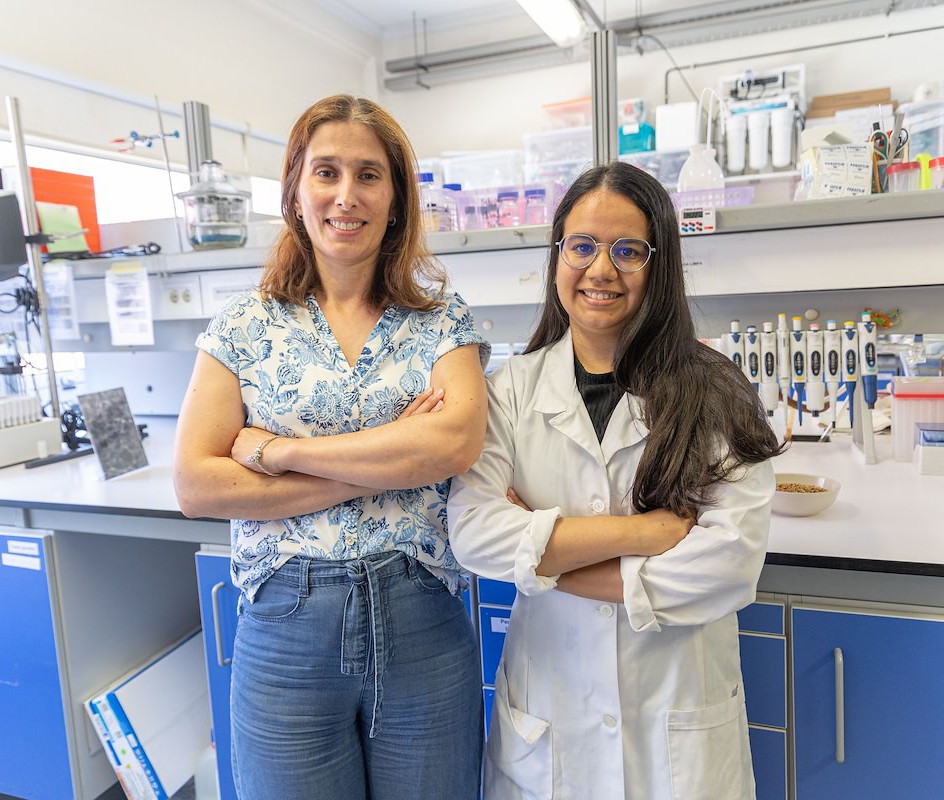
Waste produced by the brewing industry can gain a new life and contribute to the cleanup of water contaminated by antibiotics. This is the proposal of research from the University of Aveiro (UA) that developed materials from byproducts of beer production, with the potential to treat wastewater in a more sustainable and efficient way.
The research, authored by Érika Sousa, a researcher in the Department of Chemistry and CESAM - Centre for Environmental and Marine Studies, one of the UA's research units, and also carried out within CICECO – Aveiro Institute of Materials, focused on the production of biochar and activated carbon from malt bagasse, one of the main wastes of the brewing industry. Through processes that combine chemical activation and microwave pyrolysis, a more energy-sustainable alternative to conventional methods, it was possible to obtain activated carbon with a high surface area and the capacity to remove antibiotics such as sulfamethoxazole, trimethoprim, and ciprofloxacin from water.
The developed materials were tested under different conditions, including real wastewater, and showed competitive results compared to commercial activated carbon. However, the tests revealed that the presence of different compounds in wastewater can reduce adsorption capacity due to competition between various contaminants.
To overcome this challenge, the researcher modified the surface of the activated carbon, introducing different functional groups. Among the strategies tested, functionalization with oxygen revealed particularly promising results, increasing the material's ability to remove antibiotics present in the water.

The research, conducted during Érika Sousa's PhD, under the guidance of professors Vânia Calisto and Valdemar Esteves, both from the Department of Chemistry, and researcher Paula Ferreira, from the Department of Materials Engineering and Ceramics, also explored the use of molecularly imprinted polymers, a technology that allows the creation of materials with a greater capacity to selectively recognize and capture specific contaminants. The combination of this technology with biochar significantly increased its selectivity for sulfamethoxazole, even in the presence of other contaminants. The results also demonstrated the potential of biochar in different water treatment systems, including continuous processes, and it was possible to recover its adsorption capacity through thermal regeneration. This possibility could contribute to making these materials a more economically viable and sustainable solution for the treatment of contaminated water.
By transforming a waste product from the brewing industry into a resource for the removal of emerging contaminants, such as antibiotics, the research contributes to a circular economy approach and to the development of more sustainable wastewater treatment solutions.
Related Articles
Researchers
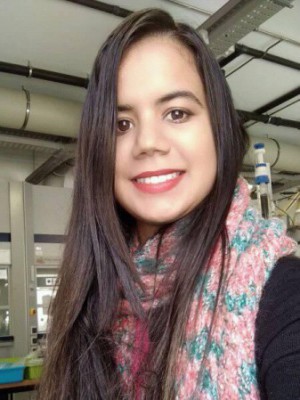
Érika Maria Leite de Sousa
PhD Student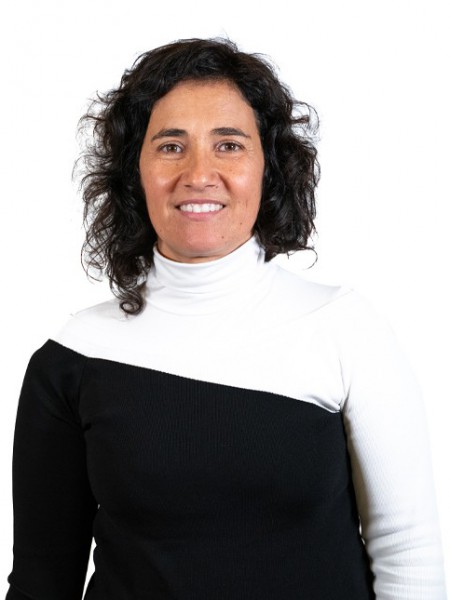
Paula Celeste da Silva Ferreira
Coordinating ResearcherWe use cookies for marketing activities and to offer you a better experience. By clicking “Accept Cookies” you agree with our cookie policy. Read about how we use cookies by clicking "Privacy and Cookie Policy".