

23 June 2026

Researchers at the University of Aveiro (UA) and CICECO members have developed a biomaterial with high potential in regenerative medicine and tissue engineering. Its origin is entirely human, reducing the risk of rejection and immunological complications, and it can be used as a basis for creating microenvironments that mimic tissues and organs. UA has submitted patent applications in Europe and the United States to protect this technology.
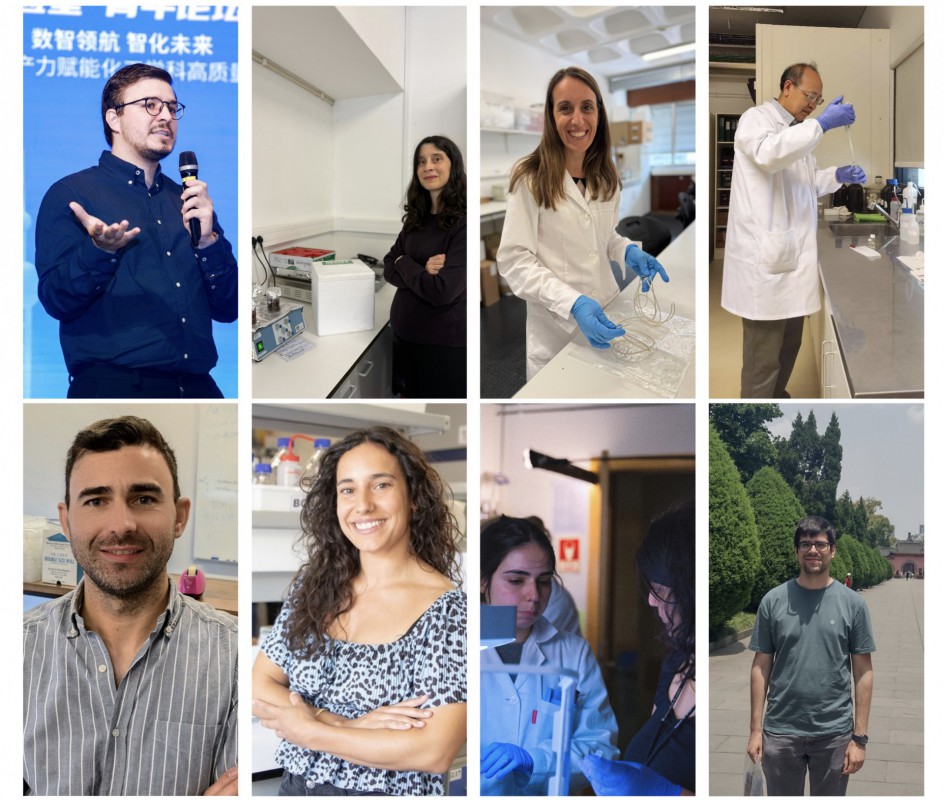
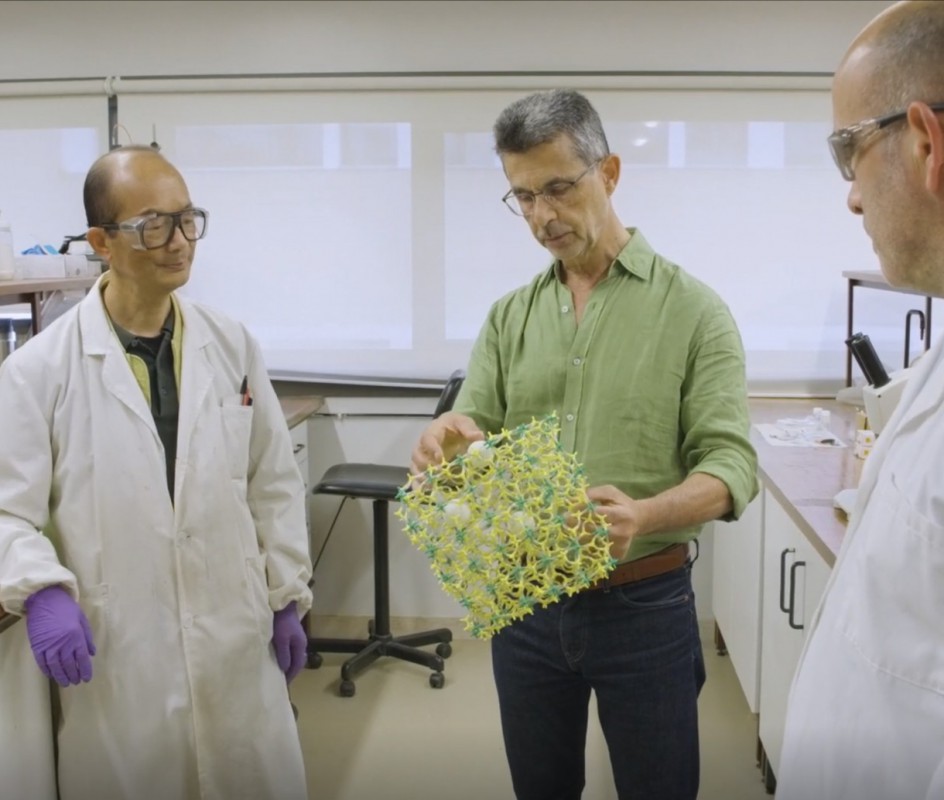
This new technology is based on microparticles obtained from platelet-derived proteins, including their production method and potential applications. The technology was developed by a team of researchers from the COMPASS research group, the associated laboratory CICECO – Institute of Materials of Aveiro, and the Department of Chemistry (DQ) of UA, composed of João Mano, Maria Clara Gomes, and Catarina Custódio. The process allows for the rapid production of microparticles from proteins derived from human platelets, with high potential in regenerative medicine and tissue engineering.
This biomaterial, the researchers explain, presents significant advantages: it is of entirely human origin, reducing the risk of rejection and immunological complications, and can be used as a basis for creating microenvironments that mimic tissues and organs. The platform also stands out for dispensing with synthetic materials and complex production methods, responding to the growing demand for more natural and efficient solutions for cell adhesion at the micrometer scale.
The team lists the advantages of the development: “Its composition allows for the modeling of various cellular functions such as adhesion and proliferation, as well as the construction of autonomous three-dimensional structures.” “The topography on the surface of these microparticles is highly controllable, and autonomous differentiation of stem cells into bone tissue cells is also possible,” they add.
Following this work, a national patent application was submitted and has already been granted, as well as an international application via the Patent Cooperation Treaty (PCT), reinforcing the UA's strategy of valuing and protecting the scientific knowledge developed at the institution. The patent protection process was supported by the UA's technology transfer and knowledge valorization office, UACOOPERA, from the initial phase to the definition of the international strategy, now consolidated with applications in Europe and the USA.
UACOOPERA is the structure responsible at UA for the identification and internal processing of intellectual property rights protection applications.
The research was carried out within the framework of the European project “Full human-based multi-scale constructs with jammed regenerative pockets for bone engineering (ERC-Adv-883370)”, coordinated by João Mano, professor at the Department of Chemistry and coordinator of the COMPASS group. The innovation has already attracted the interest of Metatissue, a UA spin-off company, which has proceeded with the licensing of the technology.
Related Articles
Researchers

João Mano
Full professor
Catarina de Almeida Custódio
Assistant Researcher
Maria Clara Gomes
Assistant ResearcherWe use cookies for marketing activities and to offer you a better experience. By clicking “Accept Cookies” you agree with our cookie policy. Read about how we use cookies by clicking "Privacy and Cookie Policy".