

8 September 2026

The University of Aveiro (UA) has completed the technical development phase of the Portuguese Eco-Ceramics and Glassware Agenda (ECP). Focused on addressing the global challenge of climate neutrality, UA developed new eco-sustainable industrial formulations and integrated Artificial Intelligence solutions to support the sector’s digital transformation, representing an eligible investment of one million euros in practical innovation.
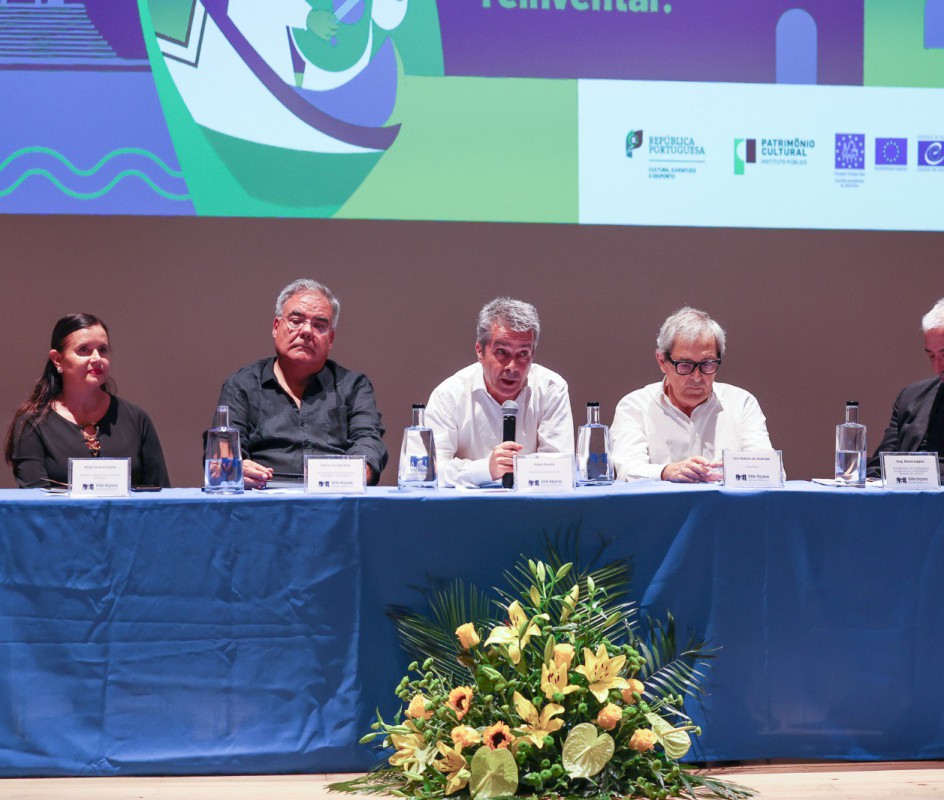
As part of the completion of the operational targets of the ECP Agenda, finalised on 30 June 2026, UA consolidated its participation in this €118 million sectoral consortium. This Mobilising Agenda, funded through the Recovery and Resilience Plan (RRP), is led by Vista Alegre Atlantis, S.A. and brings together 30 co-promoters with the aim of accelerating industrial decarbonisation.
UA’s work was led by the Department of Materials and Ceramic Engineering (DEMaC). The research was organised into three work packages focused on introducing practical innovation across the sector’s value chain.
Materials sustainability and energy optimisation
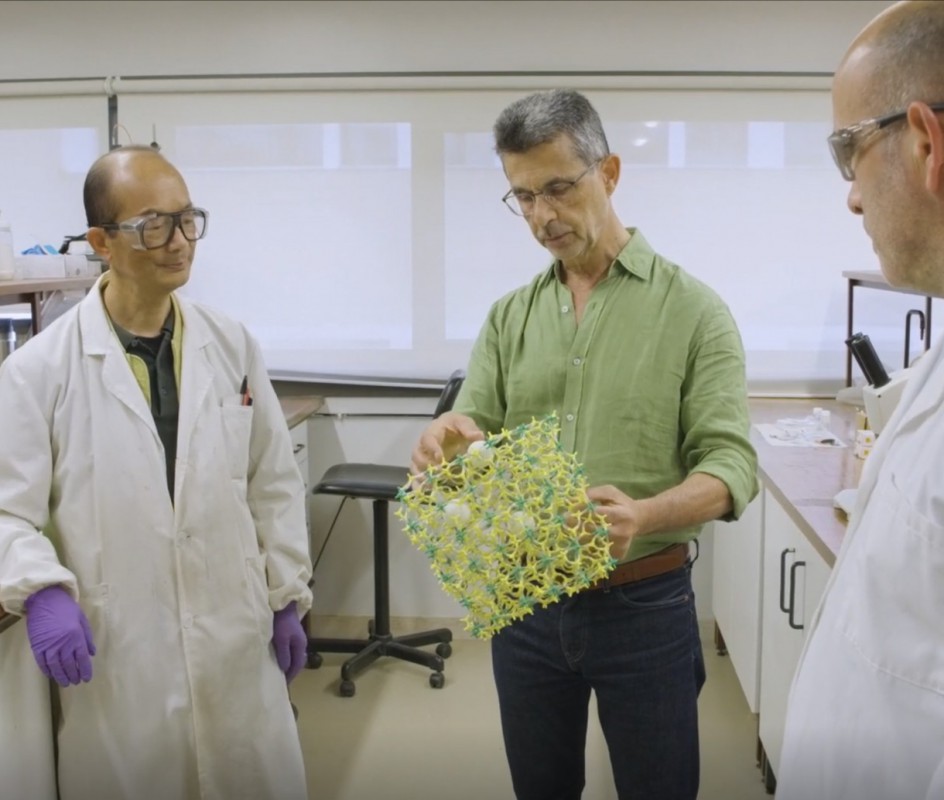
In the field of the circular economy, coordinated by João Labrincha and Paula Seabra, the DEMaC team developed new solutions for the valorisation of endogenous industrial waste (generated within ceramic companies themselves) and exogenous waste (originating from other sectors) as secondary raw materials. The work focused on the identification, characterisation and formulation of sustainable ceramic bodies directly applied to the production of floor and wall tiles, tableware and sanitaryware. This approach reduces the extraction of natural resources without compromising the quality or aesthetics of the final product.
The trials, validated in pilot and semi-industrial environments, involved the active collaboration of Sanindusa, Mota Pastas and Revigrés, also co-promoters of the Agenda. As the team responsible for this work highlights: “This collaboration was crucial to bringing scientific research closer to the needs of the sector and facilitating the future adoption of the results by industry, demonstrating that waste valorisation is a technically viable solution for accelerating the transition towards a circular economy.”
In the area of energy efficiency, the team led by Augusto Lopes developed new glaze formulations for sanitaryware, adapted to lower-temperature firing cycles. The performance of these solutions was demonstrated through tests at full industrial scale, showing that the required aesthetic and functional standards can be achieved while directly reducing energy consumption in kilns and greenhouse gas emissions.
Digital sustainability and applied intelligence
The third line of research focused on building capacity to mitigate the shortage of qualified workers in the sector through the creation of a Digital Training Academy and the Ceramic Lab Factory. Under the responsibility of João Labrincha and Paula Seabra, UA was responsible for the educational design of advanced training in Intelligent Management.
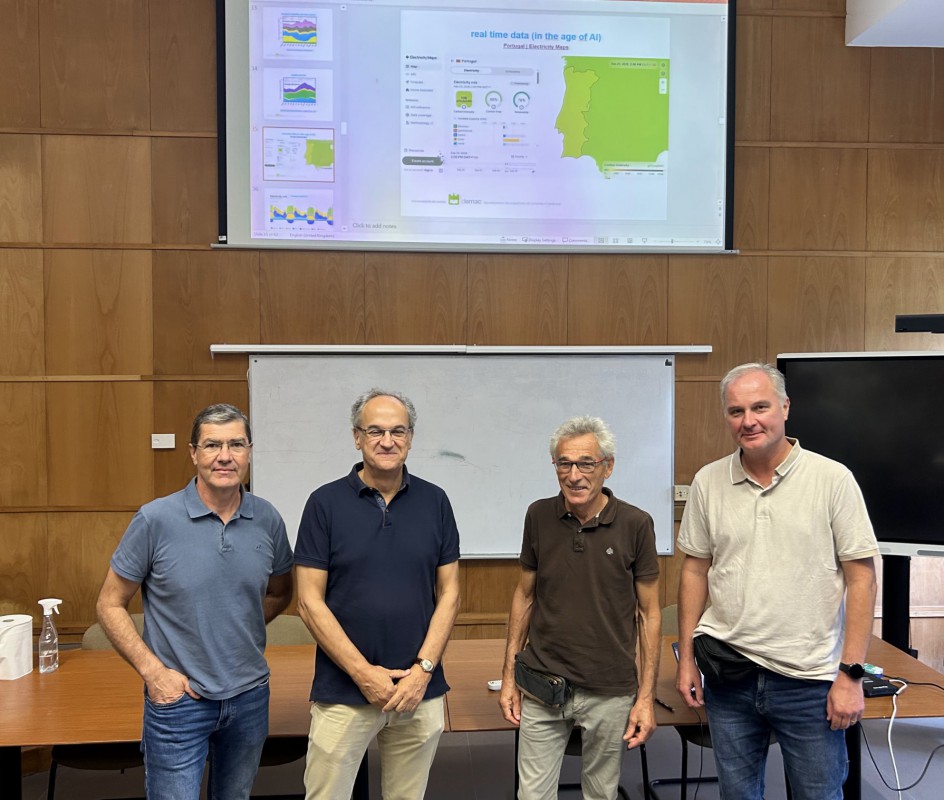
The project operated as a platform for direct technology transfer, bringing together faculty members and researchers from DEMaC, the Department of Electronics, Telecommunications and Informatics (DETI), the Department of Mechanical Engineering (DEM), CITIN and IPL. This initiative enabled technical staff and professionals in the sector to develop skills in the industrial application of Artificial Intelligence tools and predictive monitoring directly on production lines.
Find out more
Visit the official portal of the Portuguese Eco-Ceramics and Glassware Agenda
Related Articles

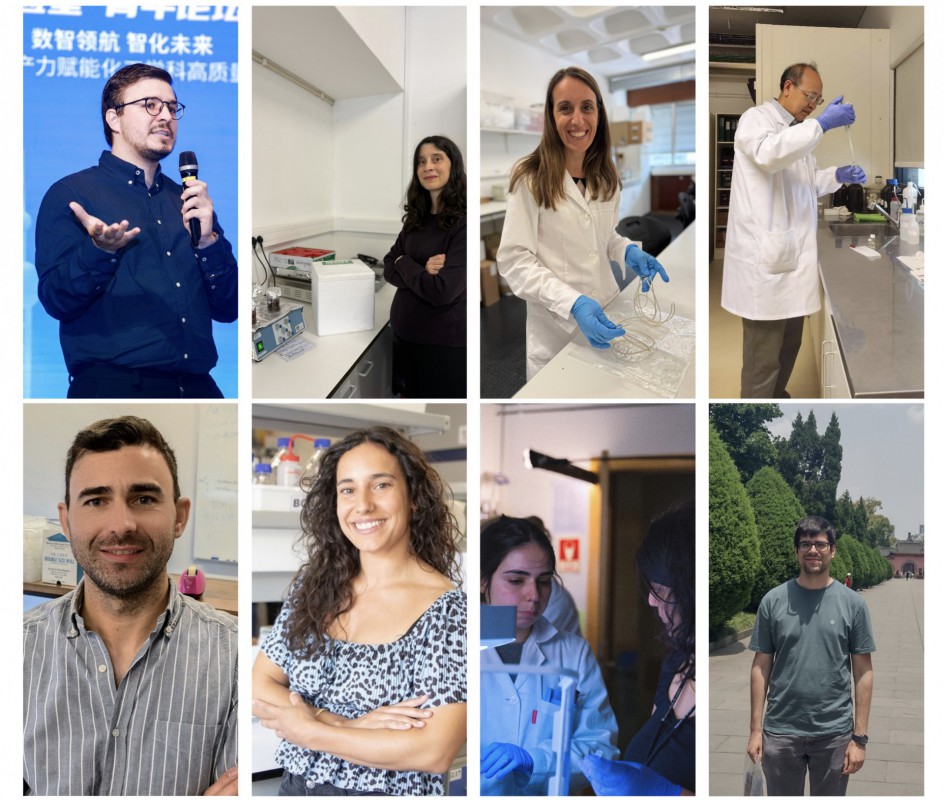
Researchers
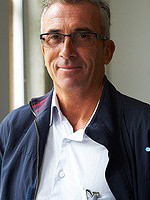
João António Labrincha Baptista
Full professor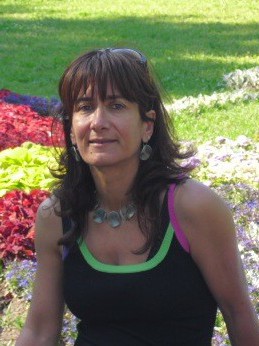
Maria Paula Seabra
Assistant Professor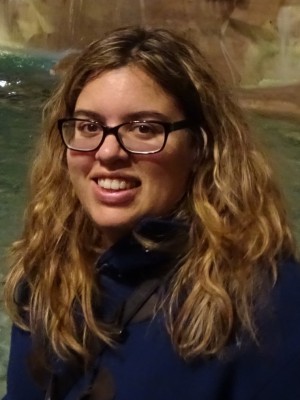
Inês Lousada Silveirinha Borges Vilarinho
Junior Researcher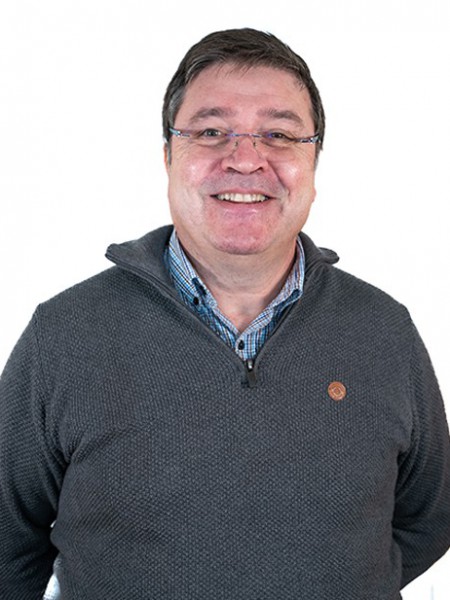
Augusto Luís Barros Lopes
Assistant Professor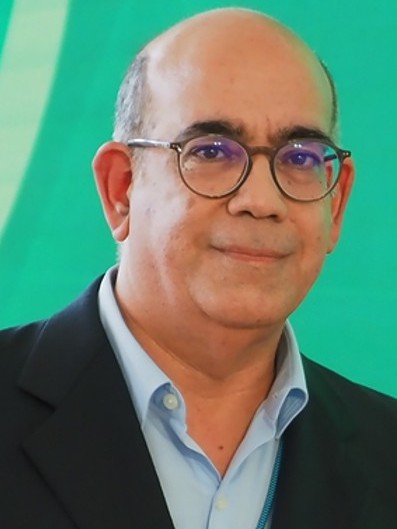
José Carlos Martins de Almeida
Assistant Researcher
Monique Carolina Lima Santos Dias
Junior ResearcherWe use cookies for marketing activities and to offer you a better experience. By clicking “Accept Cookies” you agree with our cookie policy. Read about how we use cookies by clicking "Privacy and Cookie Policy".