

6 October 2026
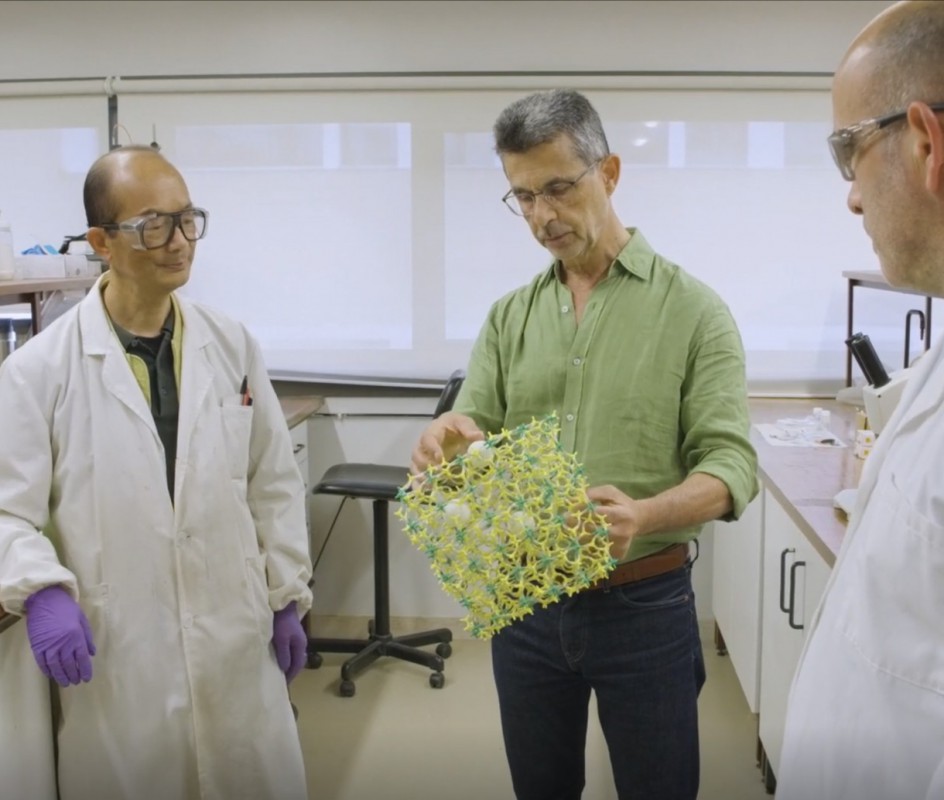
Research carried out at the University of Aveiro was behind a medicine for treating hyperkalaemia, a condition associated with elevated potassium levels in the blood. The treatment is approved in 44 countries, and its path from scientific research to clinical use was presented in Lisbon.
The work began at CICECO – Aveiro Institute of Materials, where João Rocha, full professor of Chemistry, and his team studied microporous zirconium silicates, including one known as AV-13.
This material shares the same basic structure, with slight differences in composition, as the compound later developed by ZS Pharma, a company now owned by AstraZeneca. The studies conducted in Aveiro helped deepen knowledge of this family of materials and led to a collaboration between the researchers and the company.
"When we began studying these materials in Aveiro, we were doing fundamental research, without necessarily anticipating how far that knowledge could go," João Rocha explained.
Hyperkalaemia is common in people with chronic kidney disease and heart failure. The treatment was authorised by the European and US regulators and, in Portugal, was approved by Infarmed, the national medicines authority, in December 2022.
The contribution of the Aveiro researchers was also included in the exhibition marking the University of Aveiro's 50th anniversary, which highlights some of the institution's key milestones and its impact on society.
More than 30 health partnerships
The case was presented at the "Where Science Meets Innovation" meeting, organised by AstraZeneca Portugal, which brought together researchers, healthcare professionals and other stakeholders to discuss how scientific knowledge can be translated into clinical practice.
The pharmaceutical company has 33 clinical trials under way in Portugal and 112 evidence-generation studies implemented or in development, involving more than a million people and linked to nearly 300 publications in national and international conferences and medical journals.
"Investigating and generating evidence in Portugal allows us to better understand the reality of our patients and see where needs persist throughout their journey in the healthcare system," said Hugo Martinho, medical director of AstraZeneca Portugal.
The company also maintains more than 30 collaborations with the medical community, scientific societies, healthcare sector associations and academic institutions. The projects aim to identify people at risk, improve diagnosis and facilitate access to treatment and care.
Among the initiatives are support for patients with hepatocellular carcinoma, help in setting up multidisciplinary units for treating severe asthma, and the development of a discharge checklist for people with chronic obstructive pulmonary disease (COPD) following an exacerbation.
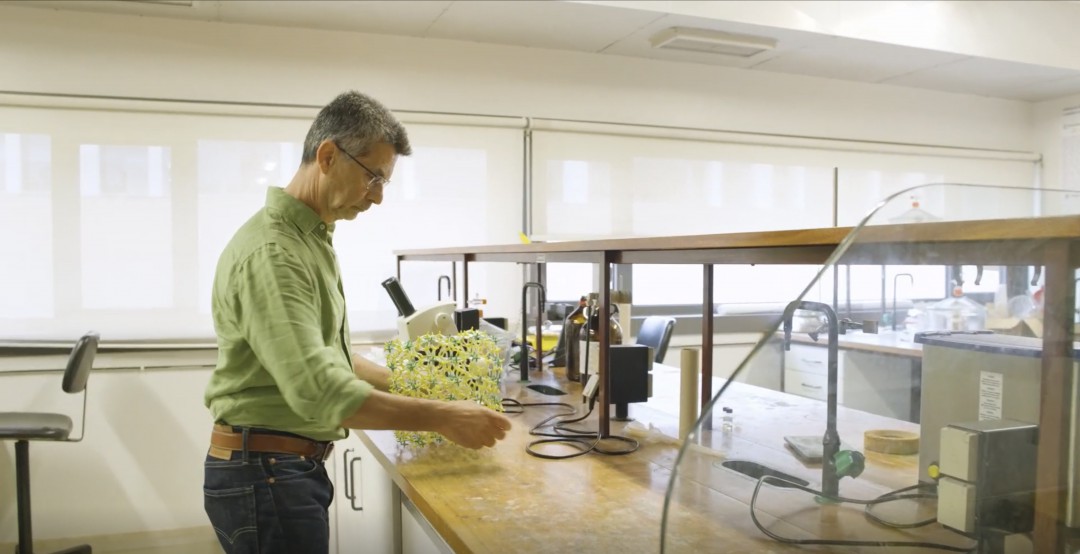
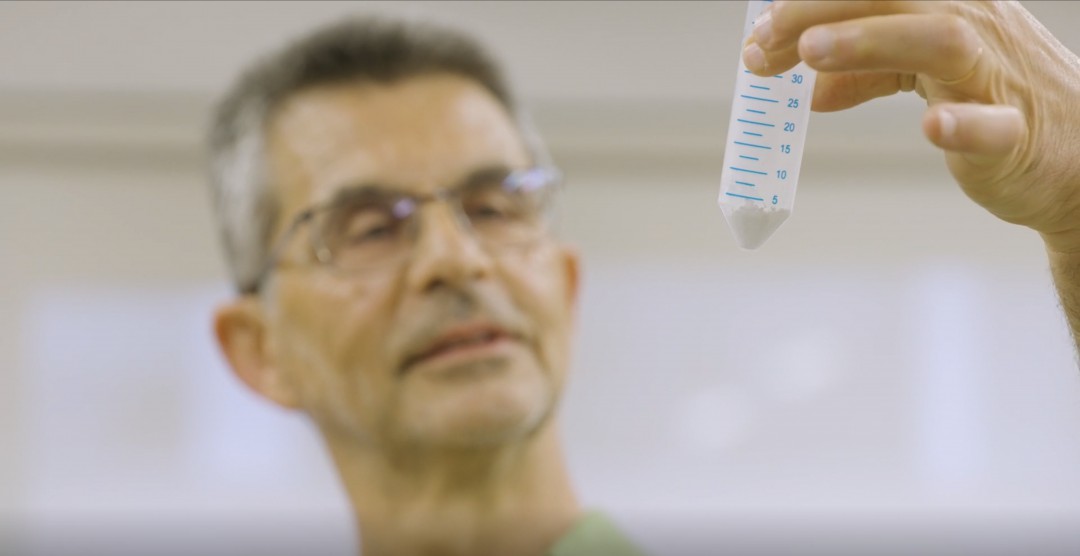
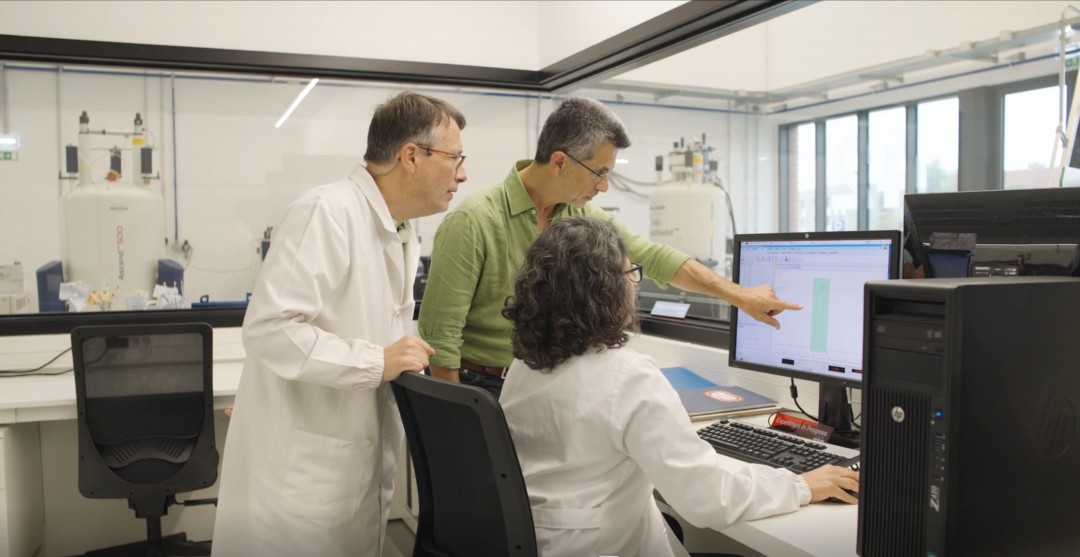
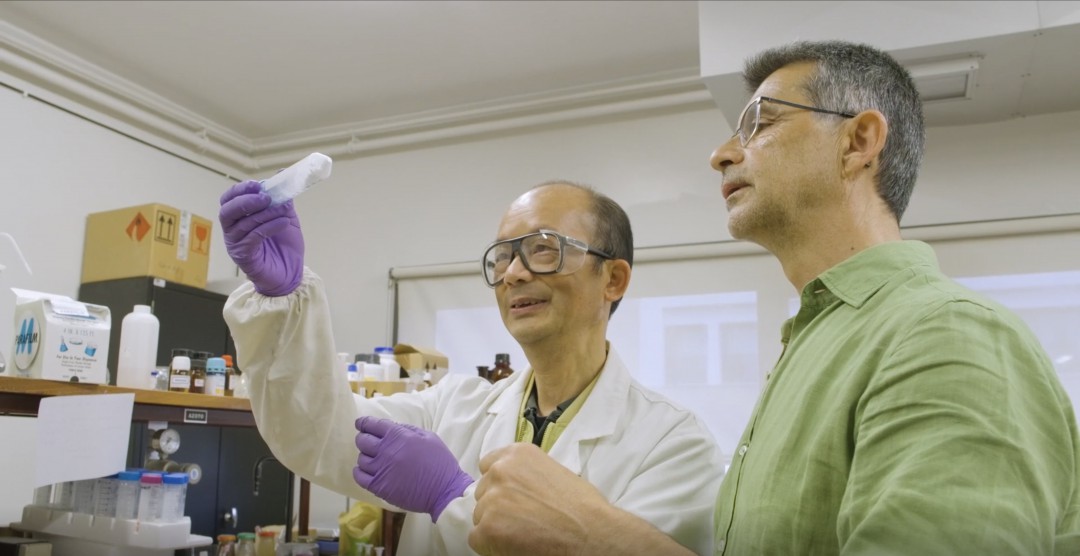
Photos from CNN newspiece about the Chemistry Department at UA (link).
Related Articles


Researchers

João Rocha
Full Professor

We use cookies for marketing activities and to offer you a better experience. By clicking “Accept Cookies” you agree with our cookie policy. Read about how we use cookies by clicking "Privacy and Cookie Policy".