resumo
Background. Acanthamoeba spp. are opportunistic protozoa that produce highly resistant cysts, complicating the treatment of ocular infections. Methods. We assessed the anti-Acanthamoeba activity and cytotoxicity of chitosan nanoparticles loaded with propolis extracts from three stingless bee species, individually or combined with chlorhexidine (CHX). Encapsulation efficiency (EE), drug release kinetics, pH sensitivity, and anti-Acanthamoeba activity against trophozoite and cyst stages of four Acanthamoeba strains were evaluated. Additionally, cytotoxicity against Vero cells was examined. Results. The formulations demonstrated excellent EE (81-92%), with the combinations of Propolis 2, Propolis 3, and chlorhexidine achieving maximum drug entrapment and sustained release (>80%). It also exhibited the most effective cysticidal activity (minimal inhibitory cystic concentration (MICC) 1.25%) against A. polyphaga and the lowest toxicity (Minimal Cytotoxicity Concentration 2.5%) toward normal mammalian cells. Drug release conformed to non-Fickian (Case II) diffusion behavior and was enhanced in acidic pH conditions, which are relevant to disease. Scanning electron microscopy revealed morphological damage to the cyst walls. Conclusion. These results highlight that propolis-CHX-loaded chitosan nanoparticles (CS-NPs) show promise as a targeted, biocompatible therapy against drug-resistant Acanthamoeba cysts.
palavras-chave
DRUG-DELIVERY; CHITOSAN; NANOPARTICLES
categoria
Science & Technology - Other Topics
autores
Marimuthu, N; Chimplee, S; Saravanabhavan, SS; Labana, RV; Sowri, VVR; Jimoh, TO; Lee, WC; Hailu, T; Brandon-Mong, GJ; Boonroumkaew, P; Jaroonwitchawan, T; Mitsuwan, W; Lim, CL; Koh, RY; Chandramathi, S; Nawaz, M; Pereira, MD; Wiart, C; Oliveira, SMR; Nissapatorn, V
nossos autores
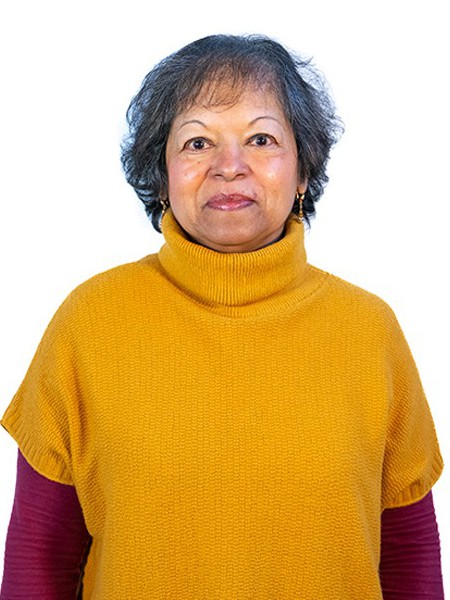
Maria de Lourdes Gomes Pereira
Professor Associado com Agregaçãoagradecimentos
The authors thank Dr. Suthinee Sangkhanu and Assistant Professor Dr. Juthatip Jeenkeawpieam for the propolis collection. Also, we would like to thank Prof. Yun Suk Huh and his team at the School of Nano Bioengineering Analysis Laboratory, Biosystems Convergence, Department of Biological & Chemical Engineering, Inha University, Republic of Korea, for their support in optimizing the morphology of the nanoparticles.