

resumo
Different plastics require specific recycling methods, but mixing various types can complicate their recycling together. In this study, an innovative method for recycling mixed plastics was developed, based on the principle of dissolution-precipitation, focusing on a plastic mixture typically found in plastic recycling bins. Initially, different solvents were employed to dissolve polymers individually being the dissolution extent determined. Using this data, together with solubility parameters, including the Hildebrand coefficients and others, of both the plastics and solvents, were used as inputs to develop machine learning (ML) models. These models aimed to identify solvents with suitable properties for dissolving specific polymers. The developed model achieved a training accuracy of 92.03% and a testing accuracy of 84.62%. However, when examining other, often more meaningful metrics, Precision, Recall, and F1-Measure scores of 42.31%, 50%, and 45.83%, respectively, were obtained. Despite these preliminary challenges, this stage laid the groundwork for developing a methodology capable of isolating all polymers present in a mixture with high selectivity (between 93.5% and 108.7%). The recovered polymers exhibited identical chemical, thermal, and mechanical properties to their original counterparts. Overall, this work provides a pathway toward a more sustainable and circular approach to managing plastic waste.
palavras-chave
WASTE; SOLUBILITY
categoria
Polymer Science
autores
Gama, N; Silva, G; Godinho, B; Ferreira, A; Rodrigues, M; Coutinho, JAP
nossos autores
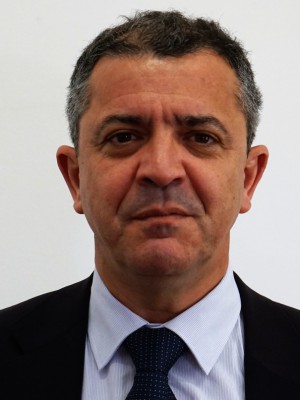
Artur Jorge Faria Ferreira
Professor Coordenador
Bruno Miguel Marques Godinho
Investigador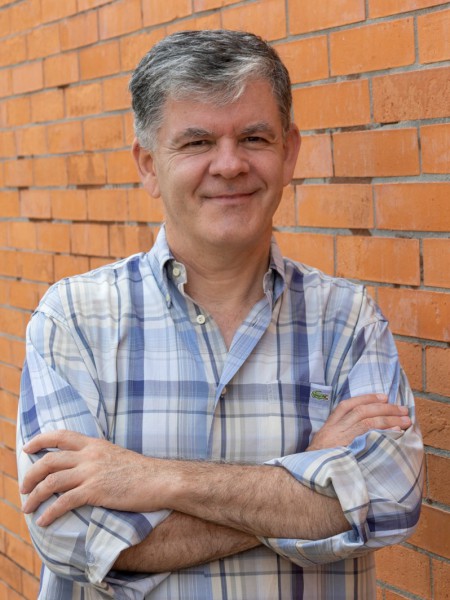
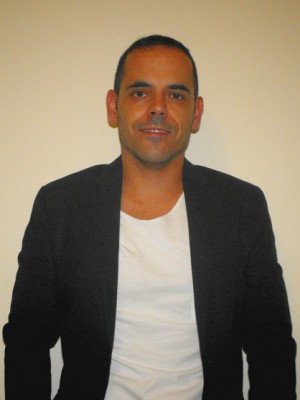
Nuno Vasco da Costa Gama Batista de Melo
Investigador JúniorProjectos
CICECO - Aveiro Institute of Materials (UIDB/50011/2020)
CICECO - Aveiro Institute of Materials (UIDP/50011/2020)
Associated Laboratory CICECO-Aveiro Institute of Materials (LA/P/0006/2020)
agradecimentos
This work was supported by the Fundacao para a Ciencia e a Tecnologia, UIDB/50011/2020, UIDP/50011/2020, and LA/P/0006/2020.