
The short film Fantasia
Fantasia is the result of a long personal journey intersecting with a moment of collective generosity. It brings together music and science, childhood imagination and professional artistry, individual dreams and institutional support. More than a short film or a musical performance, it represents a lived argument: that when imagination is taken seriously—and when communities choose collaboration over fragmentation—art becomes not only possible, but transformative.
Film Production and Score Recording as a Collective Act of Dream-Making
Fantasia is a short film born at the intersection of music, education, disability studies, and institutional collaboration. More than a cinematic work, it constitutes a cultural and human experiment: an exploration of how imagination, when supported by collective structures, can transcend physical, social, and symbolic barriers.
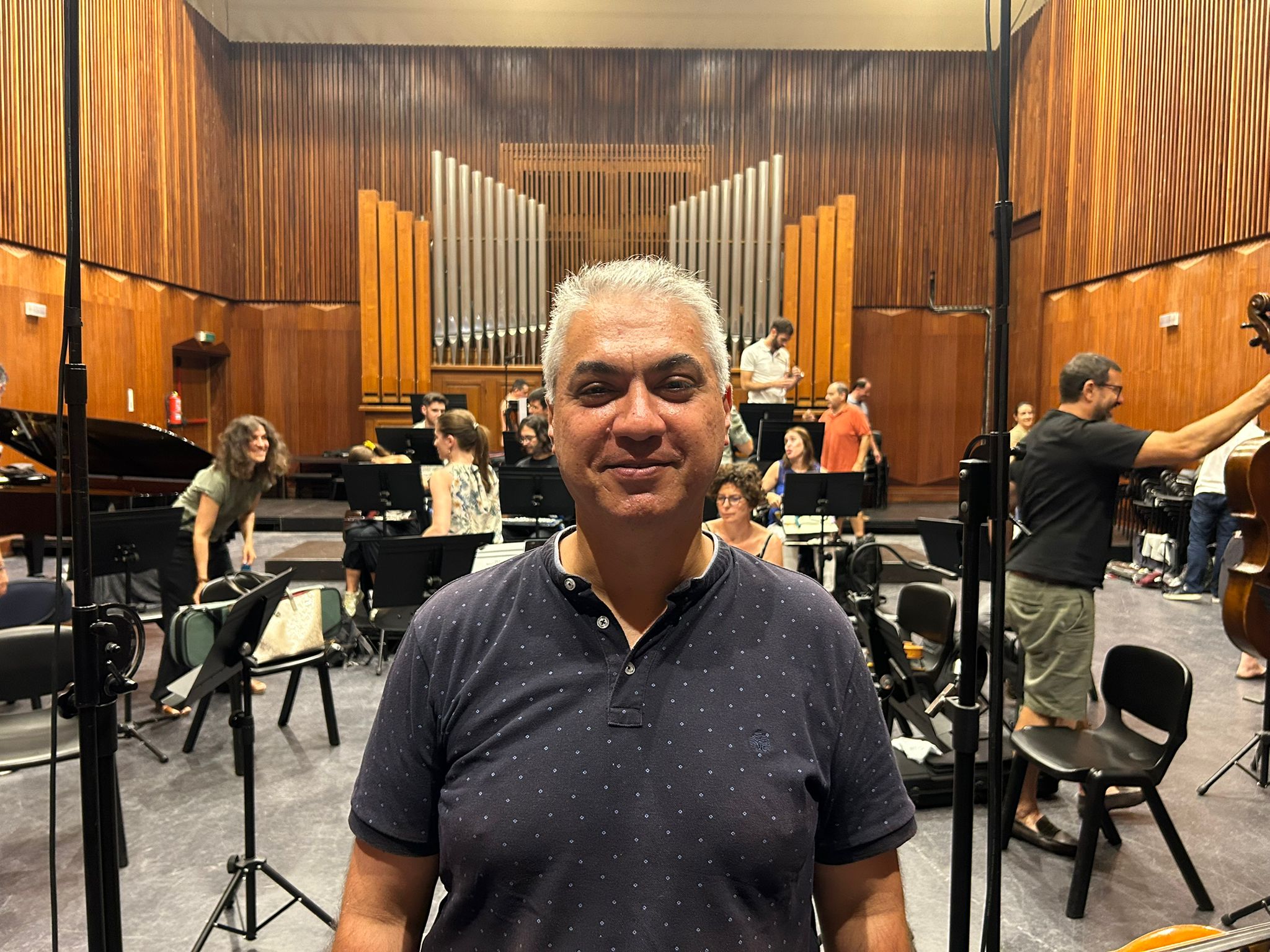
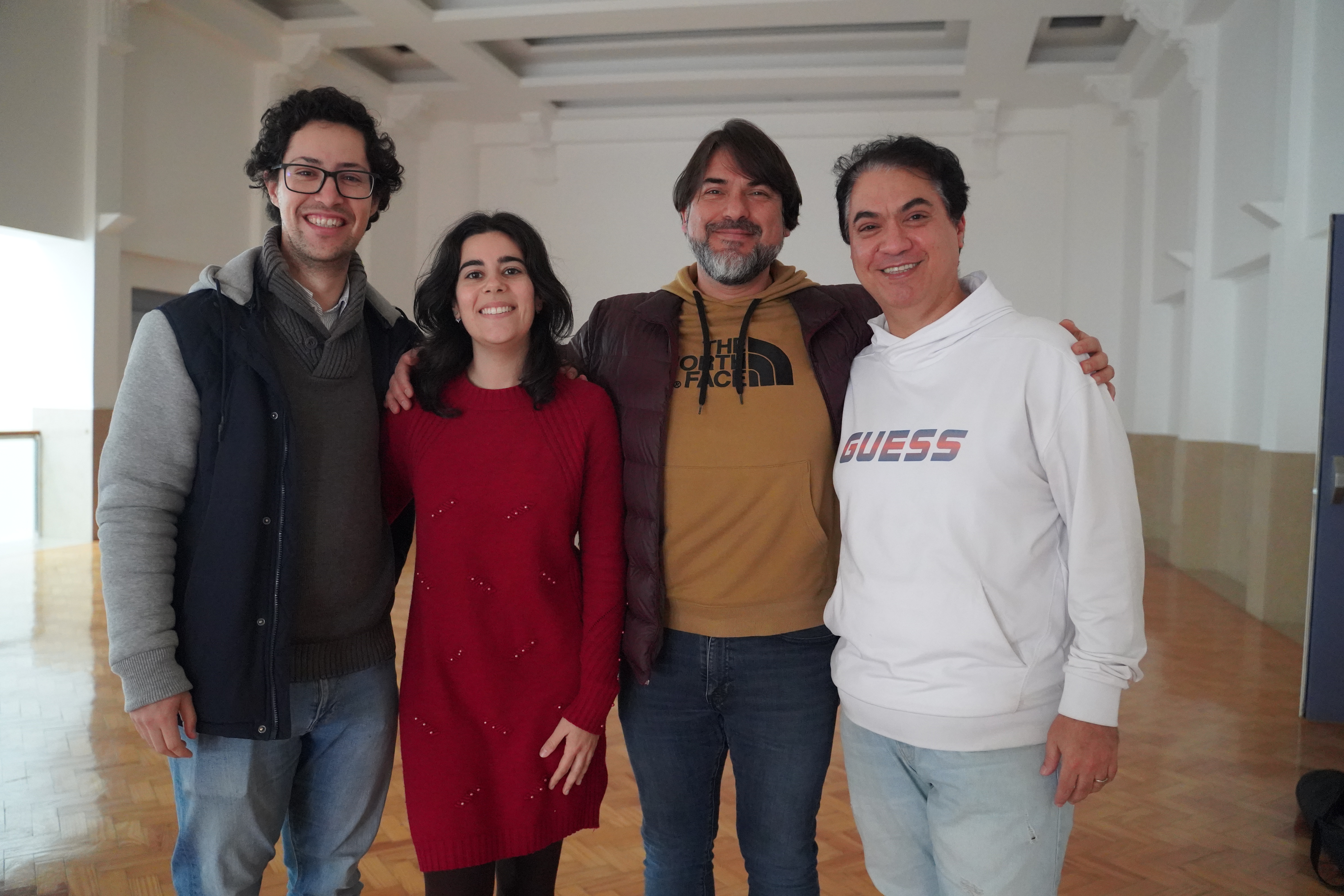
The project is led musically by Damoon Keshmirshekan, PhD student of CICECO, and of the Chemistry Department of the University of Aveiro, whose relationship with music spans more than two decades. Although his academic trajectory is currently rooted in Biotechnology and Chemical Engineering, music is a passion. It is grounded not only in composition, but in storytelling through sound.
A Child, a Composer, and an Orchestral Dream
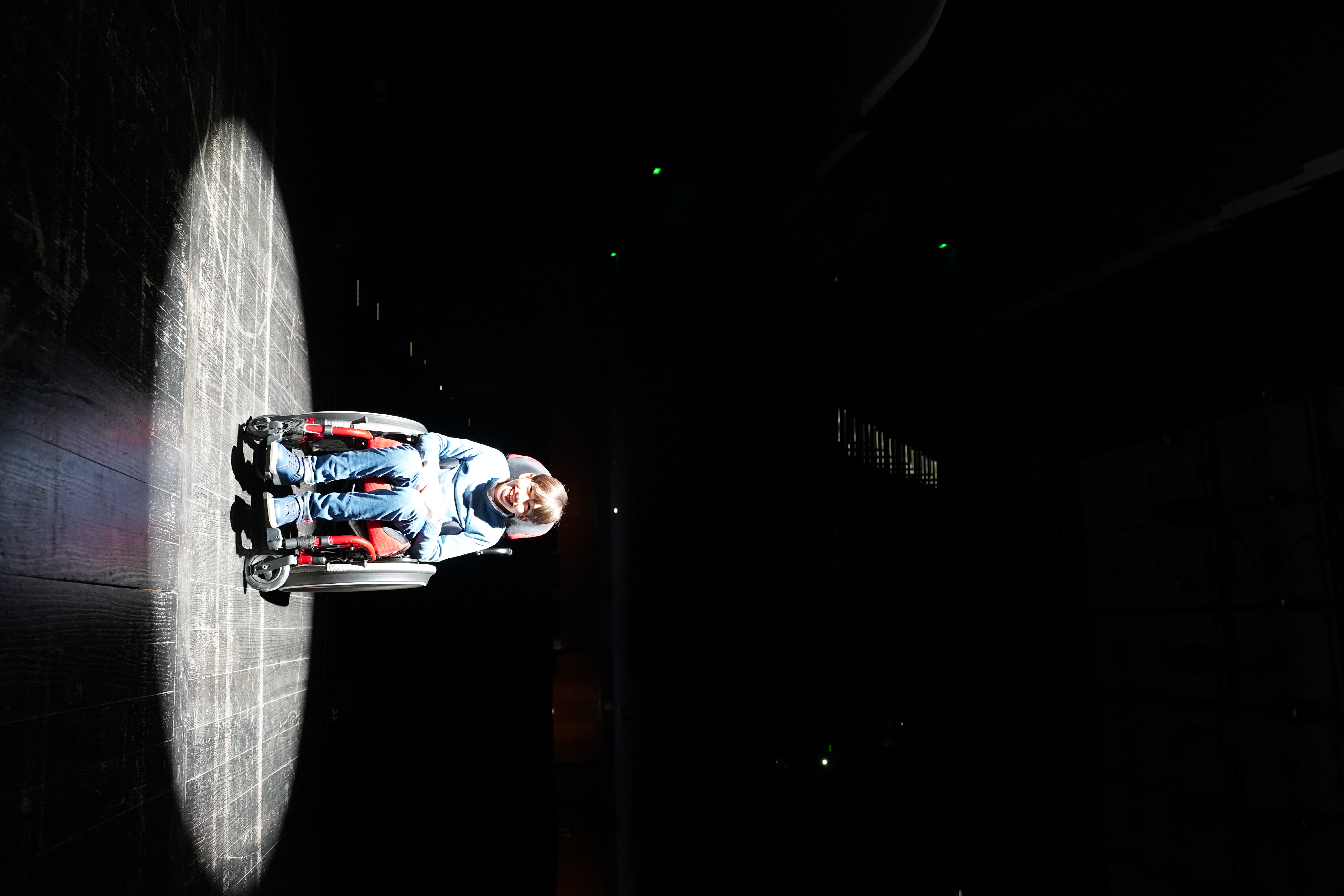
As Damoon explains, Fantasia marks his first compositional project in Portugal, explicitly centered on the story of a child. Miguel, a child with a disability, but above all, a child who is a composer.
Miguel is “a little composer with big dreams”, says Damoon. The narrative premise of the film is deliberately simple yet powerful. Miguel dreams of hearing his own music performed by a full orchestra, and of conducting that orchestra himself. The film visualizes this dream not as fantasy detached from reality, but as an imaginative extension of it.
Composing Fantasia: From Intuition to Orchestral Form
The score was initially developed through digital composition tools, using MIDI orchestration. This stage functioned as an experimental space, where themes could be tested, reshaped, and emotionally calibrated. Despite extensive experience composing for film, this was Damoon’s first time orchestrating a work intended for live performance by a Portuguese orchestra.
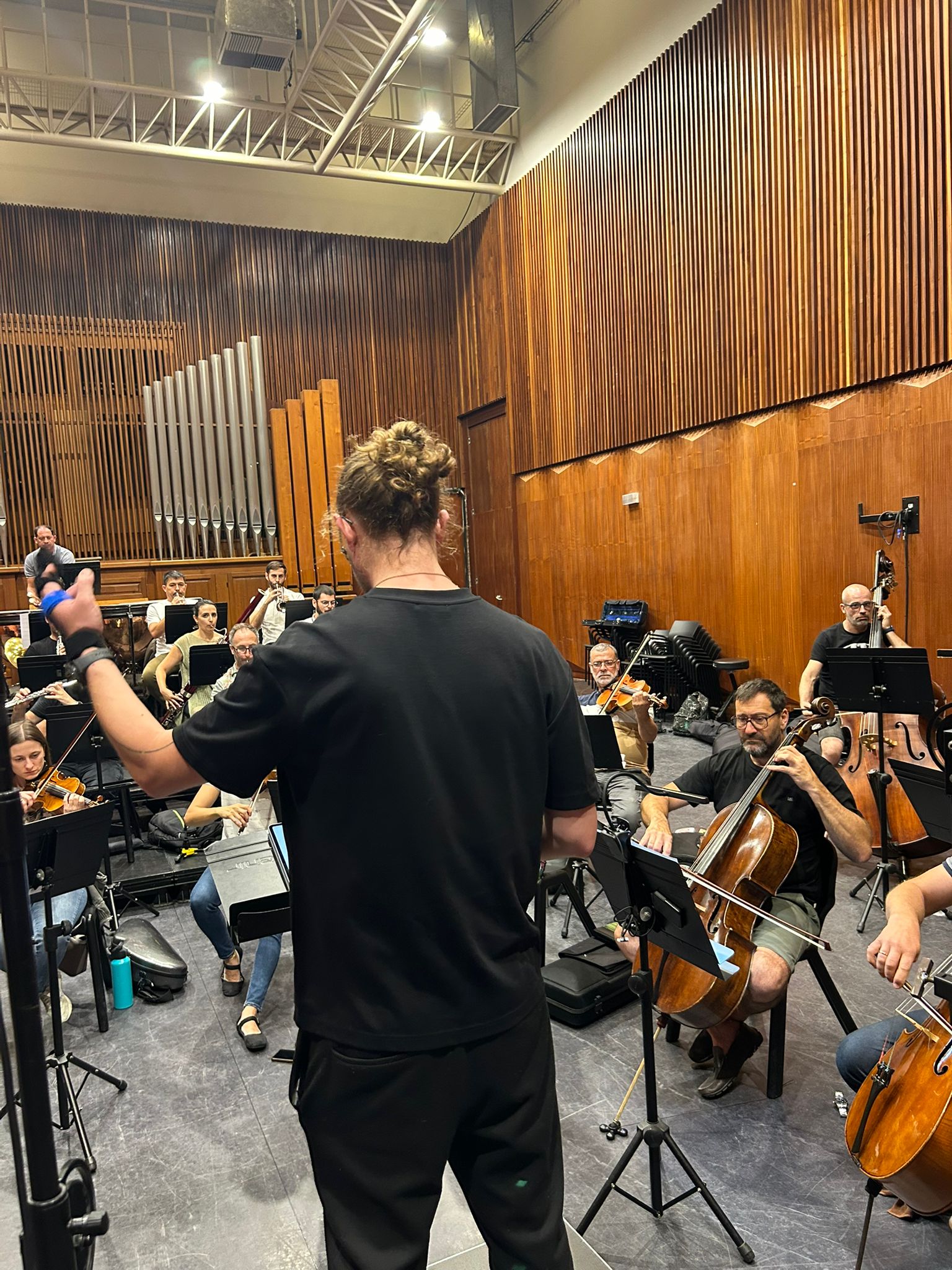
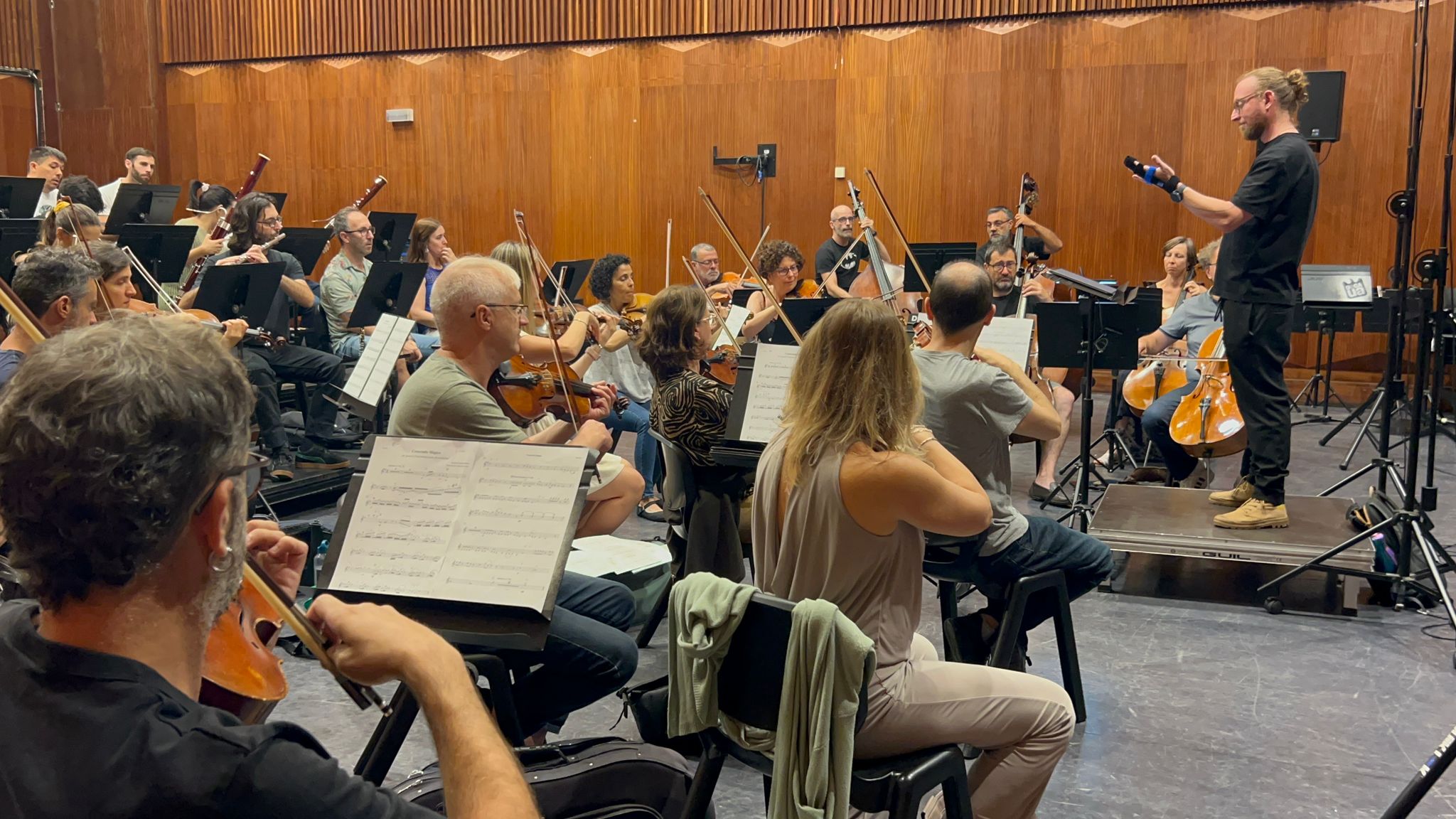
The transition from digital mock-up to live score required expert mediation. Bernardo Lima played a central role in translating the MIDI orchestration into a performable orchestral score, ensuring musical clarity, balance, and fidelity to the original intent. This process transformed Fantasia from a personal composition into a shared musical artifact. For Damoon, it was not only the completion of a film score, but the culmination of a long-standing artistic aspiration: hearing his music performed by a live orchestra.
Recording and Filming at Teatro Aveirense
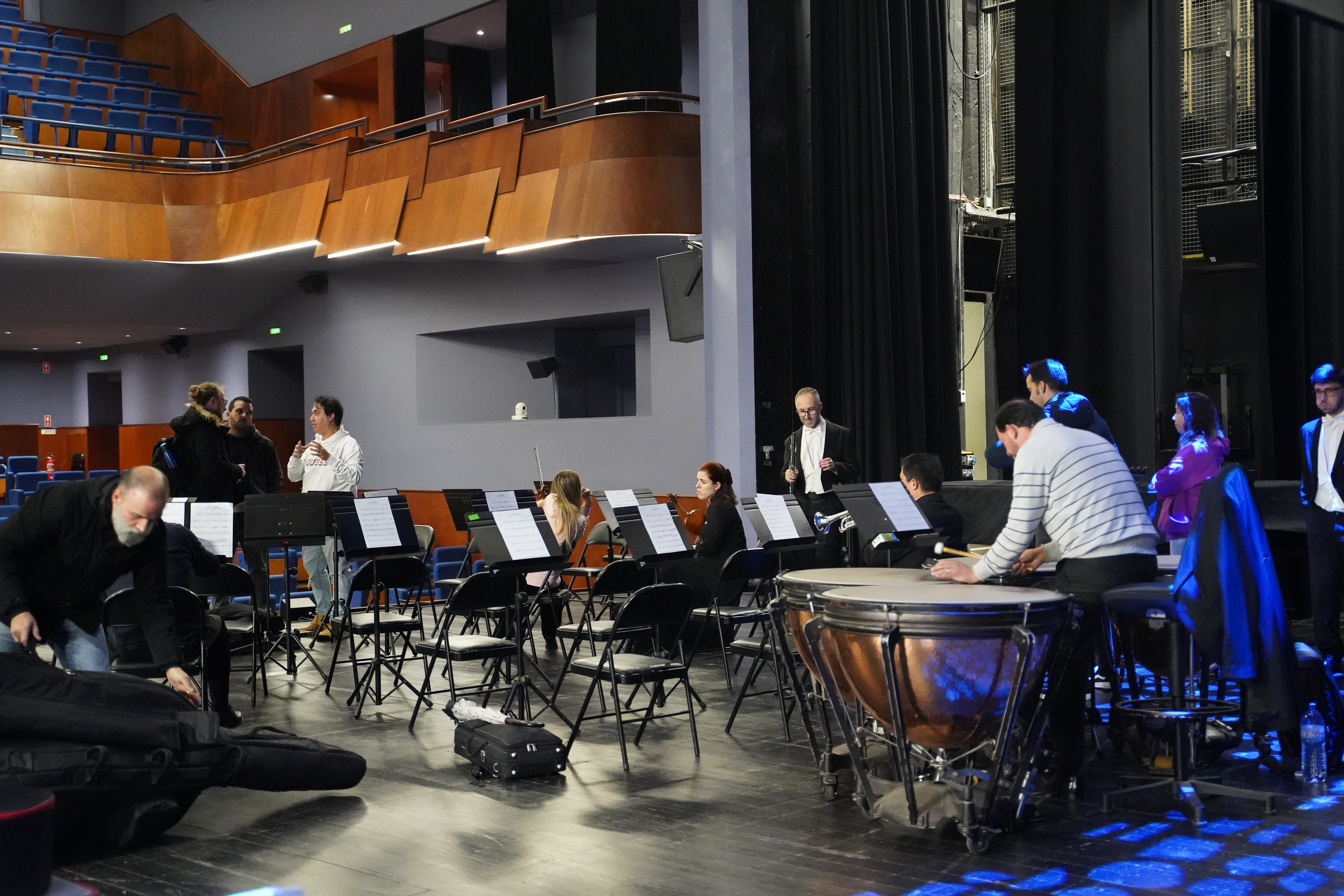
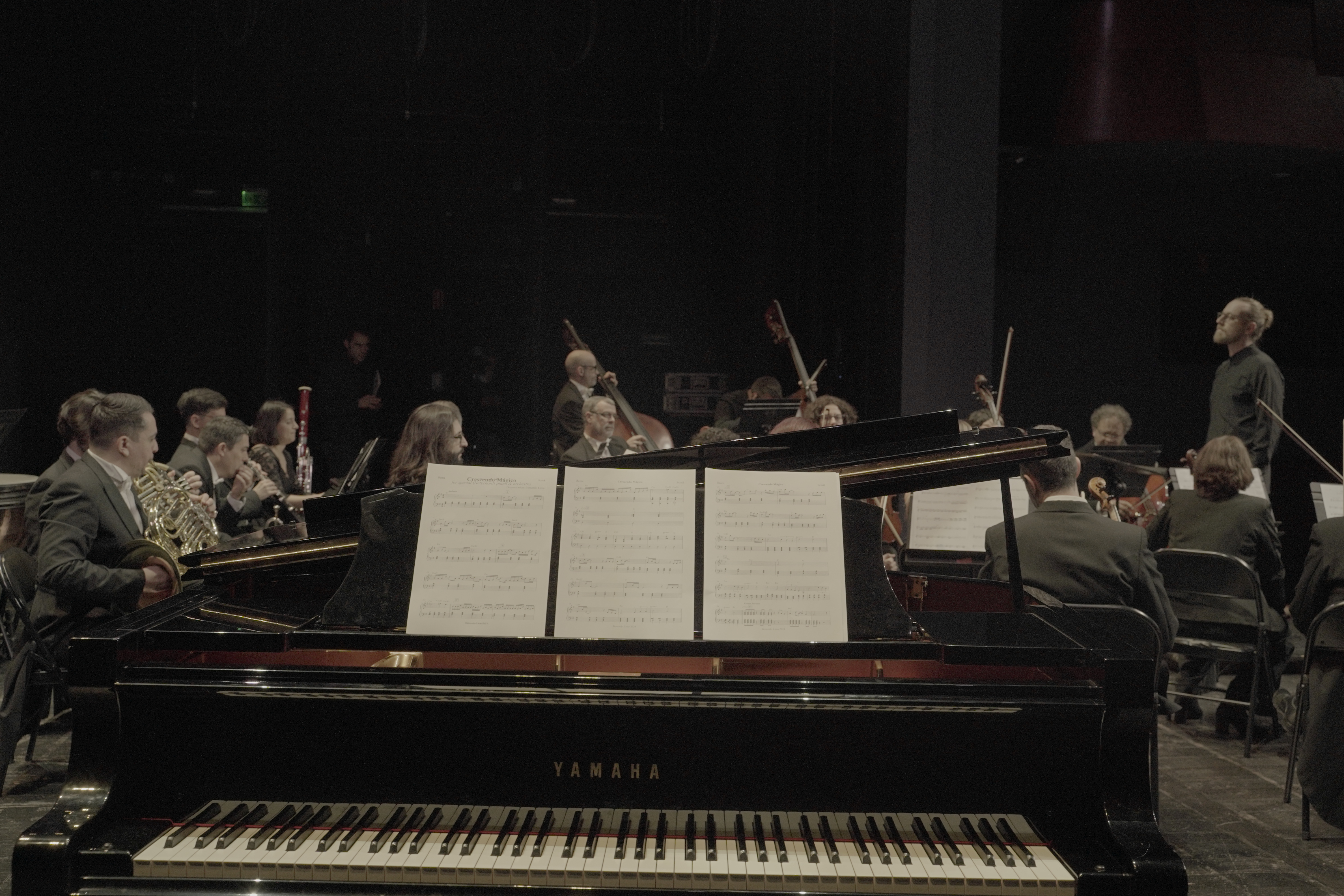
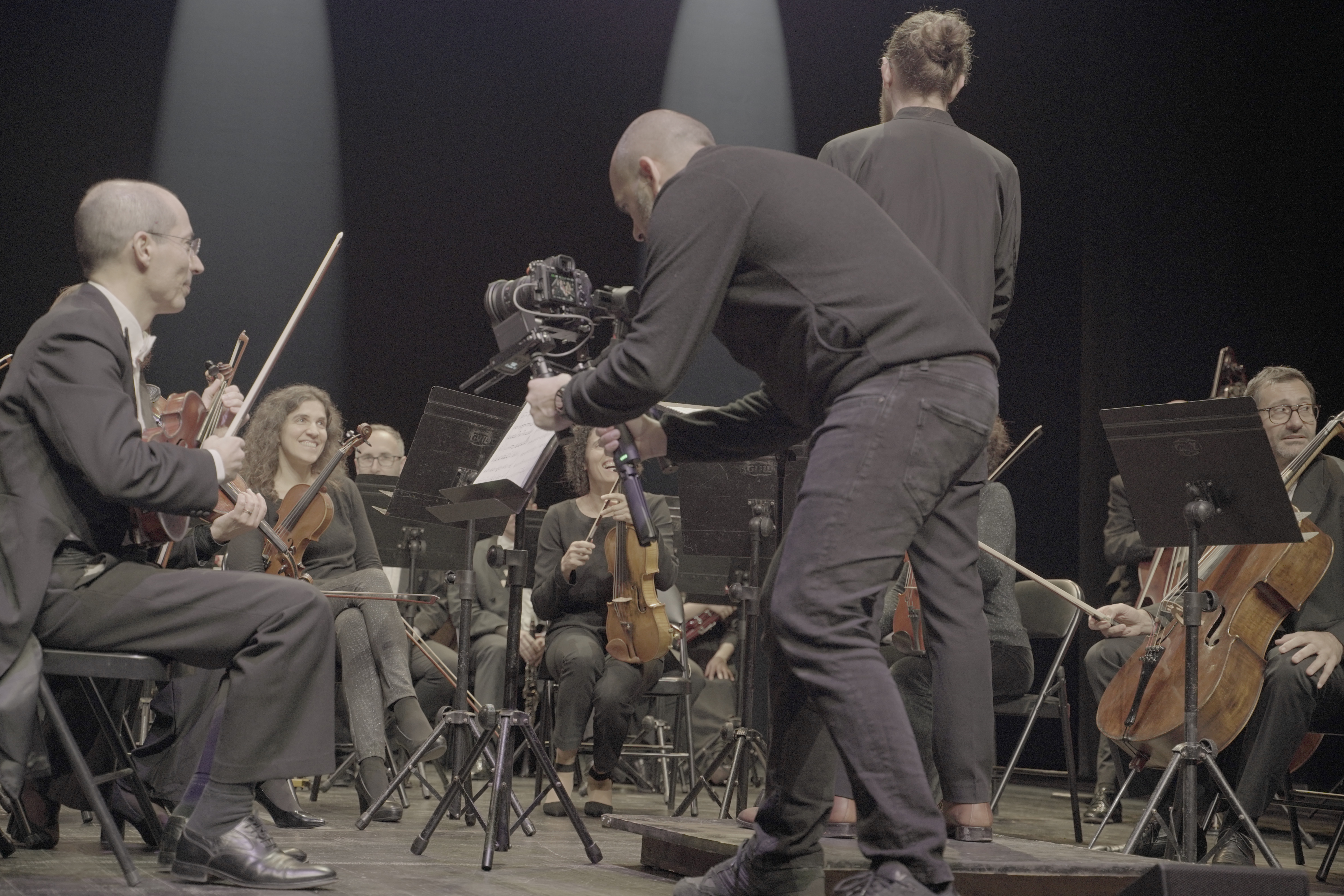
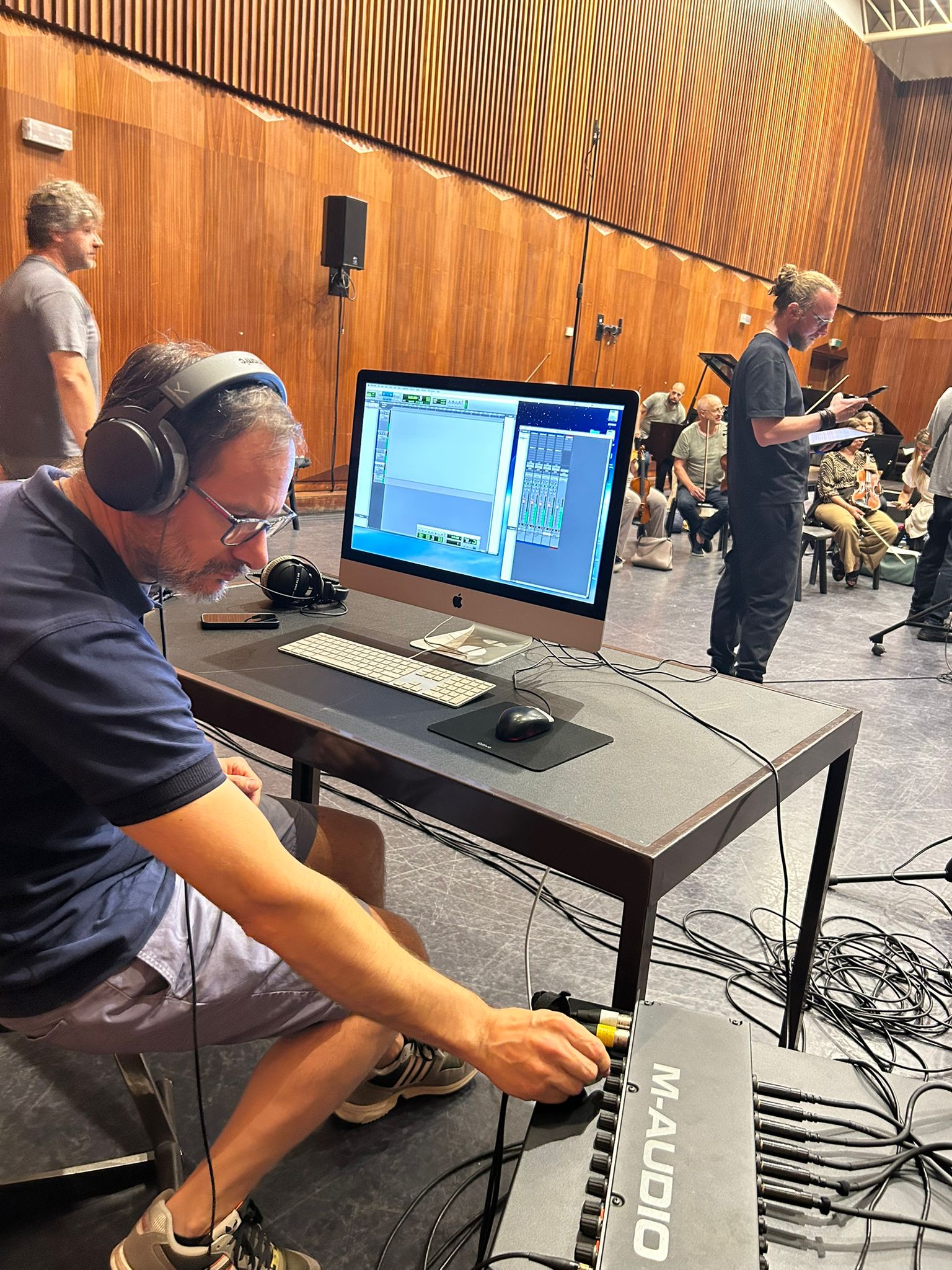
The final score recording and film shoot took place at Teatro Aveirense, a space whose symbolic and acoustic qualities deeply shaped the project with the unique talent of musicians from Orchestra das Beiras. Damoon recalls how entering the theatre and witnessing the convergence of musicians, crew, educators, and Miguel’s family made tangible the project’s underlying philosophy: art as a collective act.
The recording session overllaped with the completion of the “music part” of the project, marking a moment of both relief and gratitude. The logistical complexity of gathering an orchestra, securing a professional venue, and aligning schedules across institutions made the realization of Fantasia far from guaranteed. What enabled it, as Damoon emphasizes, was not only infrastructure, but the “good-hearted, and collaborative spirit” of those involved.
Fantasia as Process, Not Only Product
Fantasia is not merely a finished film or a recorded score. It is the documentation of a process—one in which imagination is treated as a legitimate form of knowledge, and collaboration as a creative methodology.
By placing a child with a disability at the center of a symphonic narrative, the project challenges reductive notions of limitation. By combining science, music, education, and public culture, it demonstrates how academic and research institutes can behave as enablers of dreams rather than constraints upon them.
“Fantasia is not an endpoint, but a beginning. It opens the door to future projects grounded in the same principles: empathy, artistic rigor, and shared responsibility. And it stands as a quiet but powerful reminder that when communities choose to listen—to children, to music, to one another—imagination can, quite literally, be orchestrated”, ends Damoon.
Institutional Collaboration and Cultural Support
The production of Fantasia was made possible through the collaboration of multiple institutions and individuals. Key support came from:
- CICECO, whose cultural mission enabled financial and institutional backing;
- DECA and the Orquestra da Universidade de Aveiro, whose artistic openness was essential to the live performance;
- Teatro Aveirense and Câmara Municipal de Aveiro, whose logistical and technical support allowed the film and recording to take place in a professional cultural venue.
Equally central were the human contributors: Miguel and his family; his teacher Júlia; collaborators such as Bernardo and Davis; faculty members; and numerous technicians, musicians, and staff whose work often remains invisible but was indispensable:
Director: Pedro Ferreira and Damoon Keshmirshekan
Producer: CICECO – University of Aveiro
Writer and Composer: Damoon Keshmirshekan
Researcher: Davys Moreno
Music Orchestrator: Bernardo Ramos Lima
Music Recording, Editing and Mixing: Leonel Soares Audiovisual
Media Technician: António Veiga, Sound Operator: Isaac Raimundo
Cast: Miguel Ângelo Teixeira Amador and Vera Lúcia Teixeira Amador
Supporting Cast: Orchestra das Beiras
In collaboration with: Camara municipal de Aveiro, Orchestra das Beiras, Teatro Aveirense, Departamento de Comunicação e Arte (DeCA), DEP - Department of Education and Psychology, AVEIRO UNIVERSITY SYMPHONIC ORCHESTRA, Gestor de Divulgação e Comunicação de Ciência, EACMCGA (Escola Artística do Conservatório de Música Calouste Gulbenkian, Aveiro), ESTARREJA CITY COUNCIL, ESTARREJA SCHOOL GROUP, EACMCGA - Artistic School Conservatory of Music Calouste Gulbenkian of Aveiro, CRTIC AVEIRO – Aveiro ICT Resource Centre, MEO FOUNDATION, CIDTFF - Research Centre on Didactics and Technology in the Education of Trainers, DigiMedia - Digital Media and Interaction Research Centre, FCT - Foundation for Science and Technology - FCT Portugal, Research Centre on Didactics and Technology in the Education of Trainers, Department of Education and Psychology and Digital Media and Interaction Research Centre-DigiMedia, Laboratory of Musical Informatics, University of Milan, Italy.
Damoon openly acknowledges the impossibility of naming everyone involved, underscoring instead the collective nature of the achievement. In his words, Fantasia exists because many people chose to collaborate rather than compartmentalize, to support rather than gatekeep.