Professor João Rocha has been shaping materials science at the University of Aveiro for more than three decades. From his formative years in Cambridge to nearly 20 years leading CICECO, his trajectory mirrors the consolidation of materials science in Portugal.
Throughout your career, you have engaged with a variety of international research environments. Were there particular scientific cultures, mentors, or institutional contexts that had a defining influence on the way you think, investigate, and lead?
Yes. My time at Cambridge was truly transformative, both scientifically and personally. I was very fortunate to have a supervisor, Jacek Klinowski with an immense intellectual breadth, spanning mathematics, physics, literature and cinema. That environment taught me to approach problems from different angles and to value cross-disciplinary thinking.
Cambridge was also where I first measured myself against scientists from all over the world. Realising that I could stand my ground in that environment gave me lasting confidence in my own abilities. It was a remarkably open-minded place: you could discuss almost anything with anyone, including Nobel Prize winners you might meet in the tea room.
Scientifically, those were exciting days. Around the discovery of C60, I was among the first to show by solid-state NMR that it has a highly delocalised π-electron system, then (not now) interpreted as aromatic (even if another scientist published it first). I also became involved in using NMR to probe what was really happening in the now-discredited ‘cold fusion’ experiments of Fleischmann and Pons, based on electrolysis of heavy water on palladium electrodes.
In short, Cambridge gave me a sense that there were no real limits to what one could attempt in science, provided the questions were interesting and the work was rigorous, and it gave me friends for life.
Which scientific breakthroughs, leadership roles, or strategic choices proved most decisive in redirecting or amplifying the impact of your work?
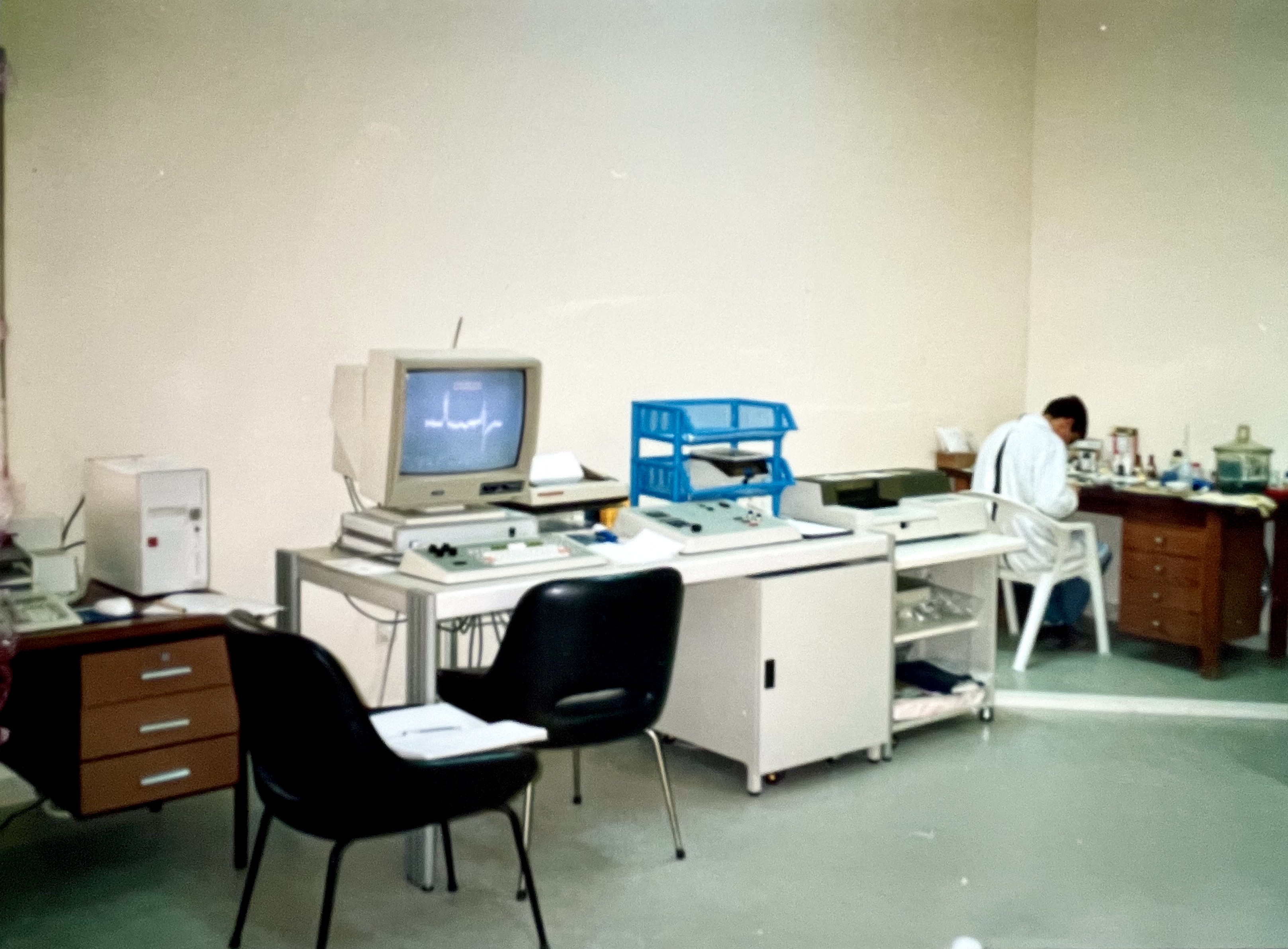
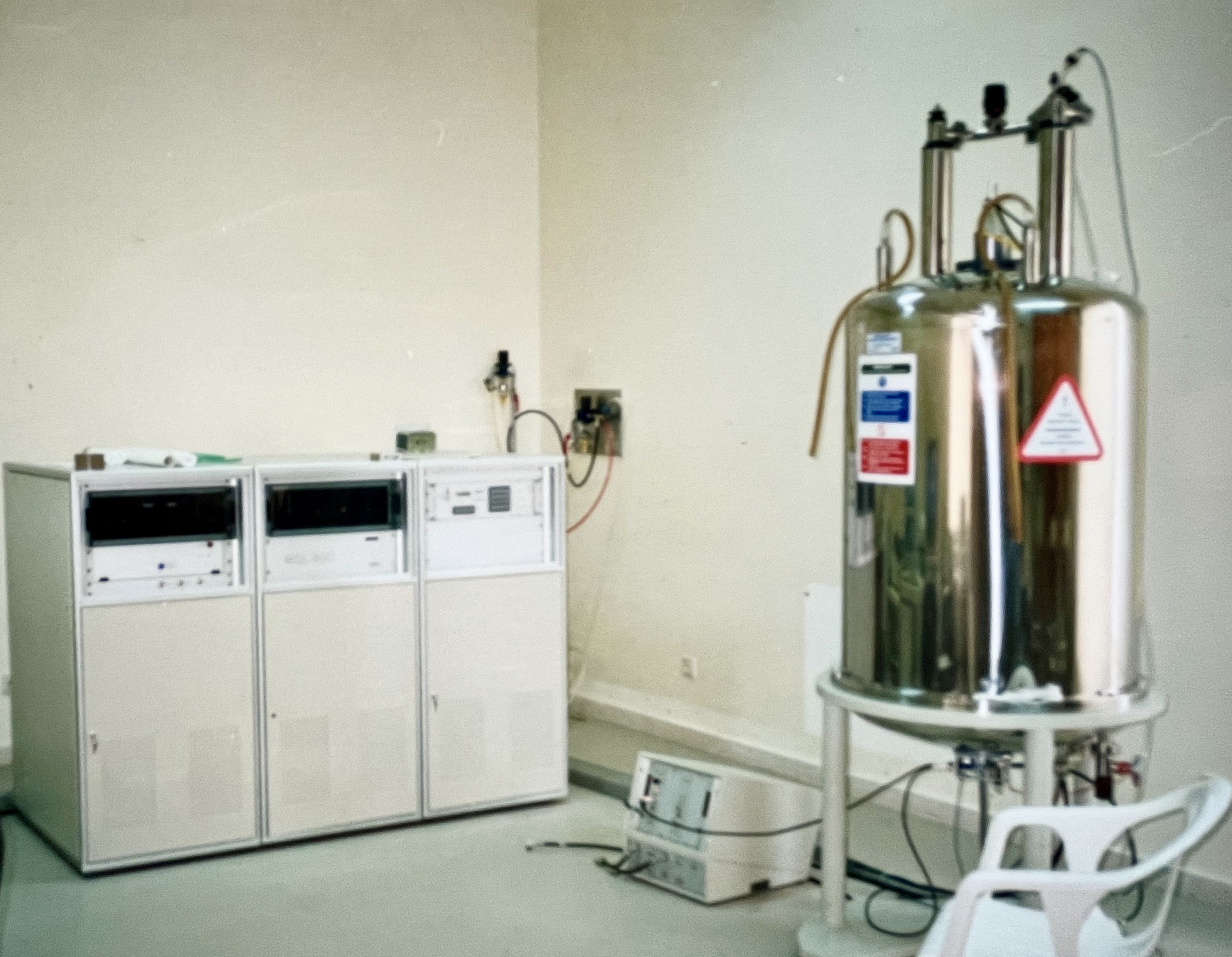
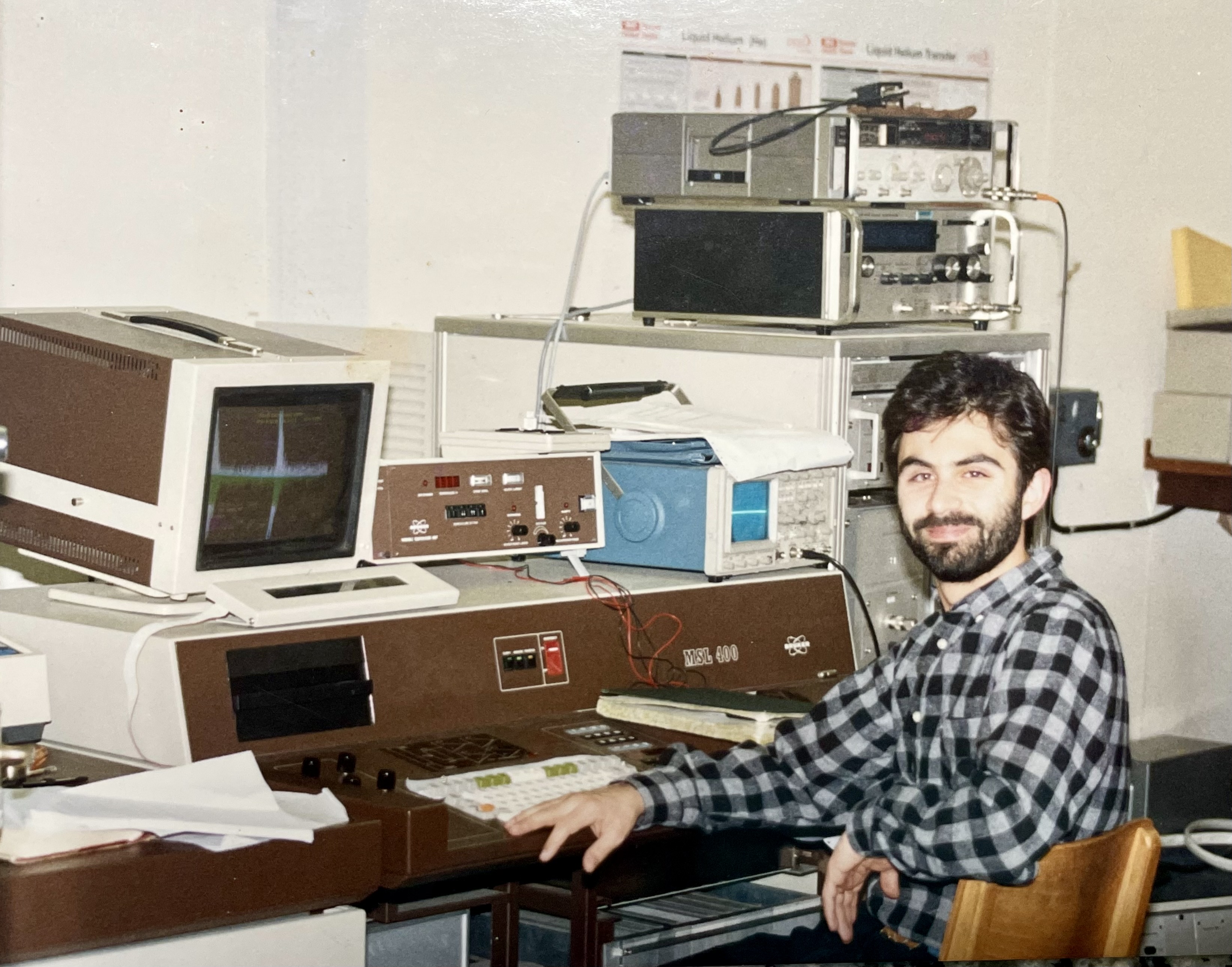
Doing my PhD (1991) and postdoc (1992) in Cambridge were the first truly disruptive events in my career. Secondly, when I came down from Cambridge the programme CIENCIA in Portugal allowed me to acquire the first solid-state NMR spectrometer at the University of Aveiro (1993). This was soon followed by a European-funded JOULE II project, one of the first of its kind at Aveiro, which provided the resources to build my own group.
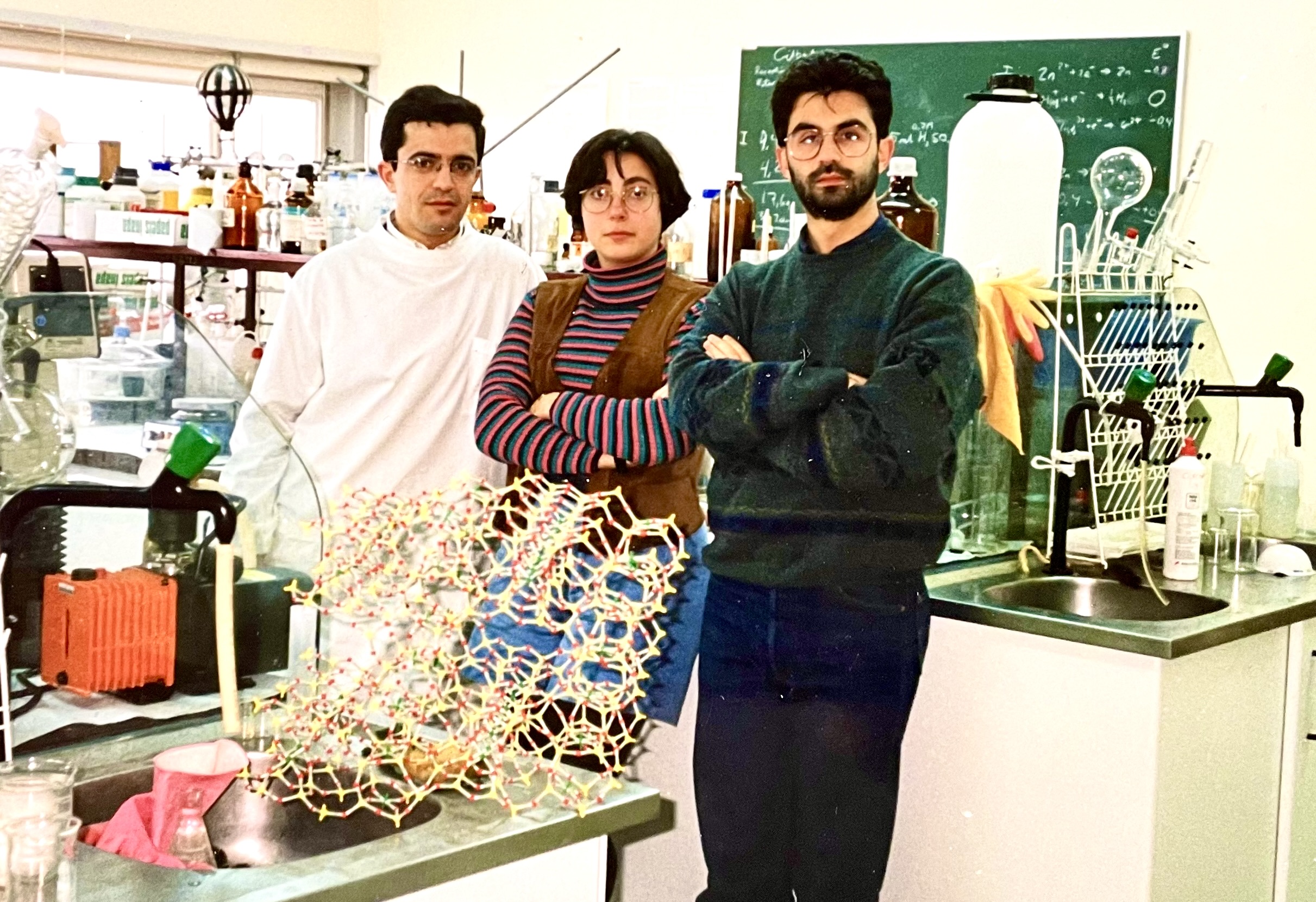
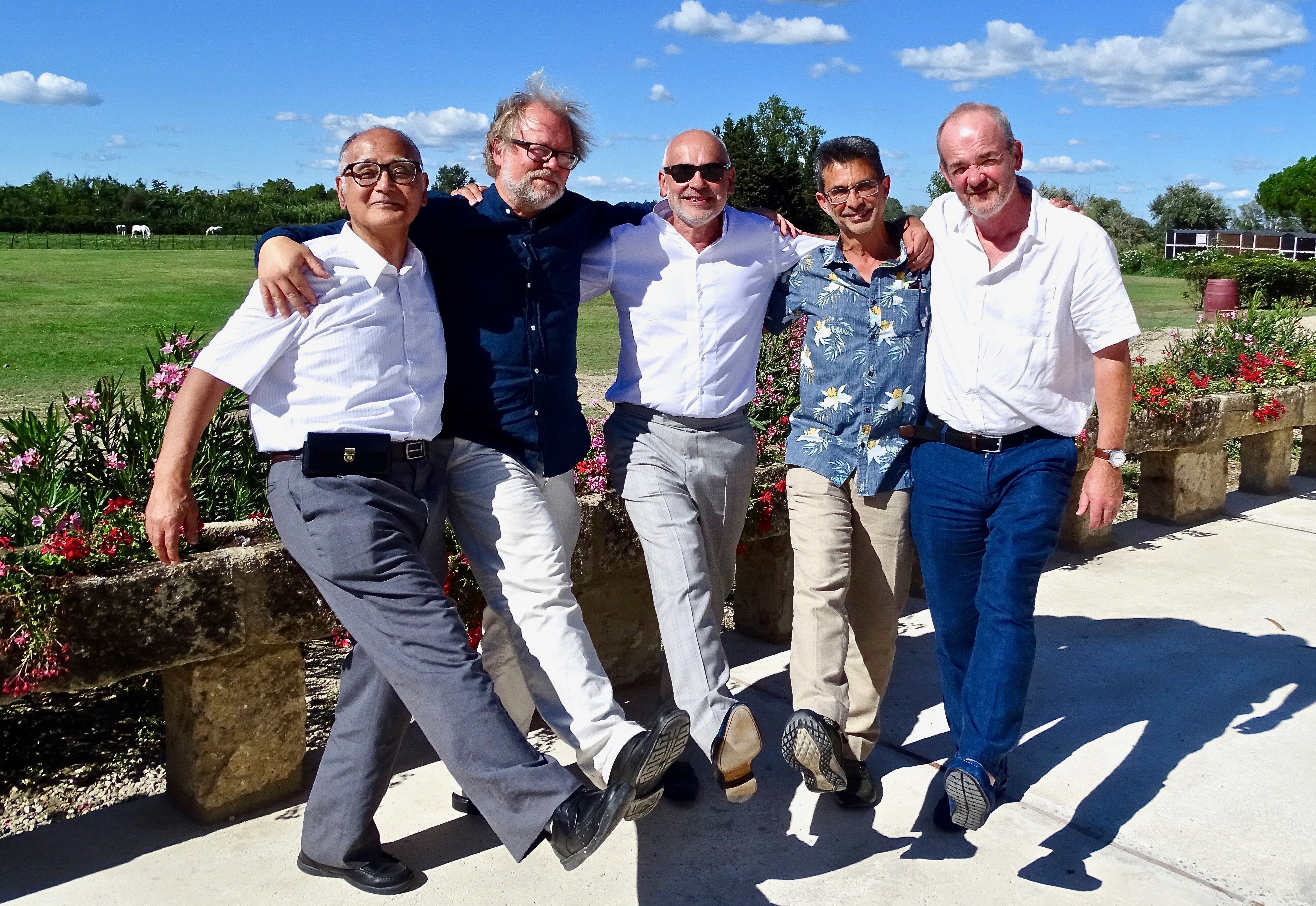
In 1994, I published a paper in Nature on the structure of a porous titanosilicate, together with some of the “old Cambridge mafia”, my friends Mike Anderson and Osamu Terasaki, and my first PhD student, Artur Ferreira. This was the first Nature paper from Aveiro and had a significant impact both locally and nationally. In 1996, I became coordinator of the research unit Inorganic and Materials Chemistry, which was rated “Excellent” by FCT.
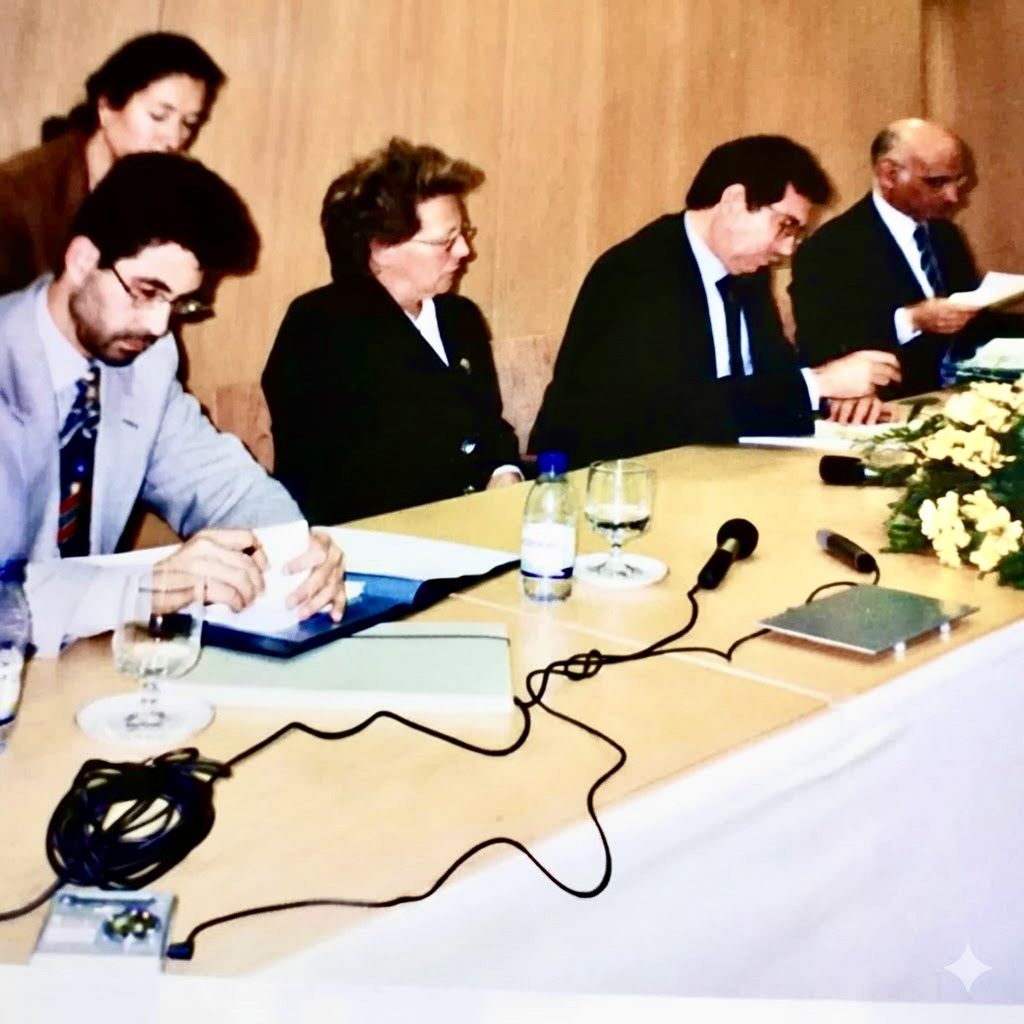
Around 2000, challenged by Rector Júlio Pedrosa, I began working with my colleague Joaquim Vieira to prepare the application for CICECO to become an Associated Laboratory. We succeeded, and in 2002 CICECO was born. Scientifically, after the Nature paper I developed an entirely new field of microporous materials based on transition metals and lanthanides, which eventually paved the way for a new drug to treat hyperkalaemia (excess potassium in the blood), developed by the US company ZS Pharma, now part of AstraZeneca.
By the turn of the century, I was also working on metal–organic frameworks, later recognised by the Nobel Committee in 2025. In parallel, I pursued research on oxide nanosystems and, of course, never gave up NMR. My interest in advanced techniques naturally extended to powder X-ray diffraction as well.
When you first envisioned CICECO, more than 25 years ago, what future did you imagine for it? CICECO’s evolution reflects a long-term strategy. What kept you committed to leading CICECO for nearly two decades, and what core principles guided your decisions during that period?
From the very beginning, I wanted to build a materials institute of true European standard. Twenty-five years ago this seemed impossible, but I was young enough o believe in this dream. I knew it would take close to a generation to shape the right culture, yet I never doubted it could be done. The key was to make the right choices in recruiting people, especially full-time researchers, and to set clear rules. The prevailing culture, centred on the power of a few senior figures rather than on the quality of their work, had to change. I wanted young researchers and professors to have a place in the sun. I also believe strongly in leading by example, and that is what I have always tried to do. The rest was consistency, collective effort and hard work.
I initially planned to stay in office for about eight years, but then the Portuguese financial crisis arrived. I am someone who stays with the ship in rough seas rather than leaving in a lifeboat, so I remained. Eventually the clouds began to lift, and it was time to prepare the transition to a new director. I organised this transition over three years, and that marked the end of my story as director.
To what extent has that original ambition been fulfilled (or transformed) over the past 25 years?
The original dream became reality. In many ways, what we achieved has far exceeded my best expectations; in others, it has, inevitably, not yet fully met them.
Of your scientific contributions, which do you consider most defining in advancing the field or shaping new directions in materials science?
The developpment of an entirely new field of microporous materials based on transition metals and lanthanides, which eventually paved the way for a new drug to treat hyperkalaemia. The edveloppment and application of advanced solid-state NMR technique and the creation of the Portuguese NMR Centre in Aveiro.
As you reflect on your broader legacy, including scientific production, organisational leadership, and contributions to research infrastructure, which outcomes give you the strongest sense of long-term purpose?
Above all, I value both the 43 postdocs, 36 PhD students and many other researchers I have had the privilege to mentor, and the creation of CICECO.
What challenges—scientific, organisational, or political—were the most demanding in the CICECO’s development?What collective learning emerged from these experiences?
Establishing a culture of research excellence and ambition, grounded in openness and freedom of thought.
As your responsibilities expanded from laboratory-driven research to strategic national and international leadership, how did your approach to guiding teams, setting priorities, and shaping scientific direction evolve?
I have never given up doing research or interacting directly with students and postdocs. I have consistently prioritised what I consider innovative research, and I have learned a great deal through my international collaborations and interactions.
Recent advances, including those recognised by the Nobel Prize in Chemistry, underscore transformative trends in materials science. Which emerging directions do you believe will drive the next wave of innovation, and what kinds of skills or collaborative approaches should young researchers cultivate?
I see the next wave of innovation coming from the convergence of advanced materials design, data-driven methods and operando characterisation, all under the pressure of sustainability. We will increasingly design porous and functional materials not as isolated crystals, but as components in complex systems (batteries, separation processes, biomedical devices) where interfaces, defects and dynamics matter as much as ideal structures. Machine learning, high-throughput simulations and robotics will help to navigate chemical space, but they will only be powerful when firmly anchored in good physics, good chemistry and high-quality experimental data.
For young researchers, this means cultivating both depth and breadth. They need a solid foundation in chemistry, physics and characterisation techniques, but also basic literacy in data science, modelling and computation. Just as important are collaborative skills: the ability to work across disciplines, to listen and to communicate clearly with colleagues in theory, experiment, engineering and even medicine or policy. The most exciting discoveries in materials science will not come from isolated “heroes”, but from teams that combine different expertise, share data openly and are willing to question their own assumptions.
How do you assess the contribution of younger generations to CICECO’s renewal, scientific vitality, and adaptive capacity?
I would say that the younger generations have been absolutely central to CICECO’s renewal and vitality, not a “nice add-on”. From the beginning, I wanted young researchers and professors to have a real place in the sun, and they have more than justified that trust.
They have brought new topics, new methods and new ways of thinking: from advanced modelling and data-driven approaches to advanced techniques, sustainability-focused research and closer links to industry and society. They are often the ones who push us into emerging areas, build international networks and lead competitive projects that keep CICECO at the forefront.
Equally important, they have contributed to CICECO’s adaptive capacity and culture. They question established habits, demand transparency and fairness, and are more naturally collaborative and international. This has helped us renew our governance, modernise our practices and stay attractive to talent.
So when I look at CICECO today, I do not see a structure “founded by one generation and maintained by another”. I see a living institute that has been continually reshaped and strengthened by its younger researchers, many of whom will now define its future.
Career milestones
- PhD and postdoctoral years in Cambridge
- The 1994 Nature paper and the creation of CICECO
- Founding and directing the Portuguese NMR Centre in Aveiro
Key societal impacts
- The creation of CICECO as a leading national research institute
- Research that helped enable a life-saving drug
- Coordinating the Council of Associated Laboratories (2021)