1. Looking back on your trajectory as a researcher in wood chemistry at CICECO and as an Associate Professor in the Department of Chemistry of the University of Aveiro, were there specific moments or decisions that you now recognise as particularly relevant for shaping your scientific path and institutional involvement?
Among different institutional initiatives I would highlight the creation of specialised technological platform “Forestry” at the University of Aveiro (2015-2020) that allowed a compilation of competences from various departments (Chemistry, Biology, Environmental, Mechanics, Construction, Materials and Physics) towards basic research and practical solutions, in the area of lignocellulosic materials of different origin, in collaboration with leading industrial entities in the area. To my mind, this was the most successful discussion forum, allowing to bring academic and industrial communities together and establish long-term collaborations that predetermined all subsequent research and development lines, resulting in new projects and networks.
2. Your academic career has been strongly rooted in wood chemistry and lignocellulosic materials. Which scientific developments or methodological advances do you consider most decisive in consolidating this research area in Portugal?
The most significant fundamental contribution lies in bringing new knowledge about the chemistry of plant resources, which is crucial for the national economy (e.g., eucalypt wood, cork and critical agricultural crops). This has allowed us to rethink some approaches to their industrial processing in order to increase yield of target products, their quality and find alternatives to produce new products with advanced properties.
Another distinctive feature lies in fundamental research of new perspective technologies designed to radically improve efficiency and minimise environmental impacts of lignocellulosic materials processing, such as oxygen-organosolv wood pulping, highly selective pulp bleaching catalysed by polyoxometalates and targeted hyperbaric treatment of lignocellulosics.
The development of new lignocellulosics-based materials with advanced properties, such as organic-inorganic hybrid materials, biocomposites, new polymeric, adhesive and coating formulations are other topics that ought to be highlighted.
3. You played a key role in initiating collaboration between the University of Aveiro and Caima Cellulose Company. How do you assess the impact of this long-term academia–industry partnership?
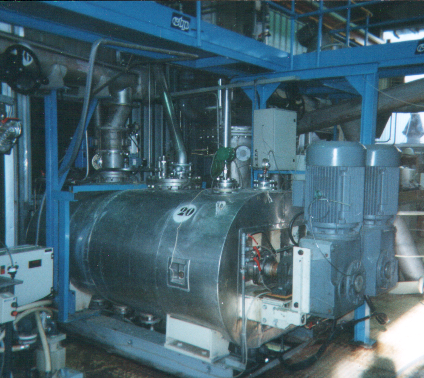
The R&D partnership with Caima S.A. is an excellent example of synergy between academic sciences and the industrial community. As a result of this collaboration, new schemes of sulphite pulping and bleaching of sulphite pulps from Eucalyptus wood were improved or developed; new technologies were also proposed for comprehensive utilization of pulping side products.
Most of these research results have been or will be implemented in industrial practice. Many PhD theses, Master"s theses and research projects were accomplished within this cooperation. The most recent work includes theory and practice of Eucalyptus sulphite and pre-hydrolysis kraft pulp within the PRR project “Bioeconomy for Textile and Clothing (BE@T)”, recently awarded the first prize of TECNICELPA.
4. From your perspective, which strategic or organisational choices were most important in consolidating the Chemistry and Technology of Lignocellulosics research group?
Given the importance of the Forestry sector in Portugal, in the early 1990s the first research nucleus in Lignocellulosic Materials was created under initiative of Prof. Júlio Pedrosa. It was initially integrated into the Research Centre of Inorganic Chemistry and Materials and later became part of CICECO.
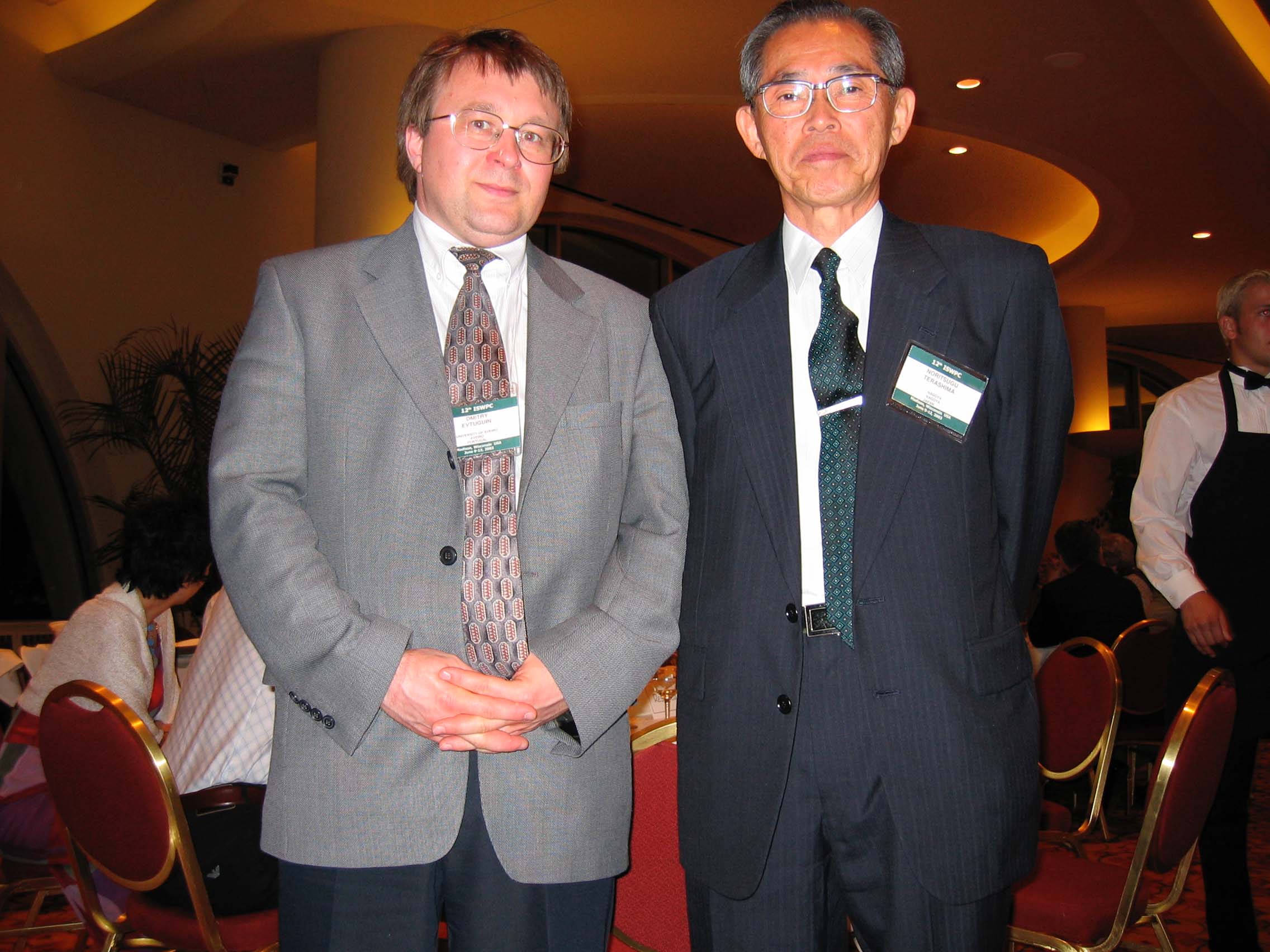
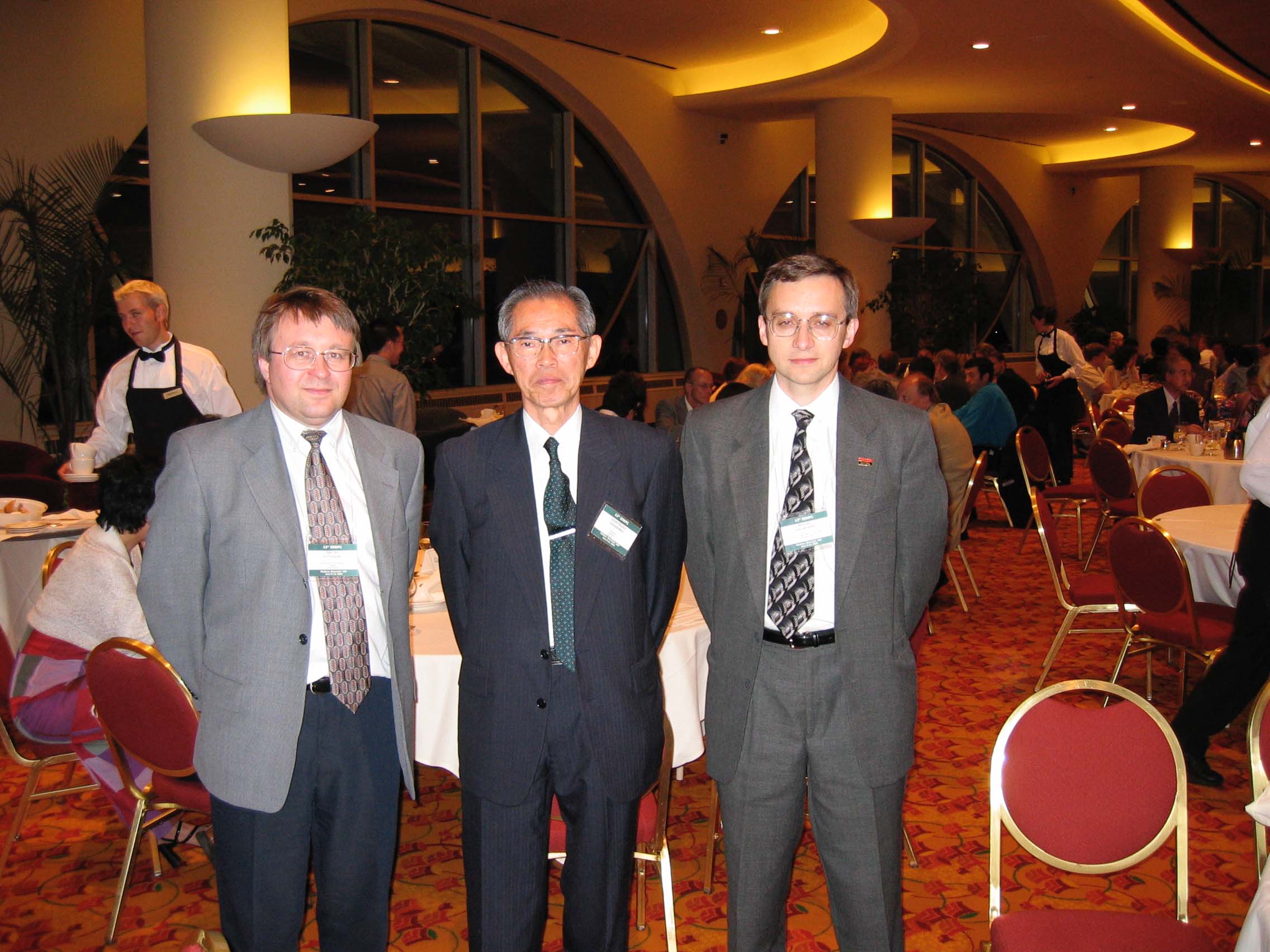
Owing to the importance of the Forestry sector in Portugal, in the early 90s of the last century, under initiative of Prof. Júlio Pedrosa, there was created the first research nucleus in Lignocellulosic Materials, which initially was integrated into the Research Centre of Inorganic Chemistry and Materials and later became a part of CICECO. Historically, the educational component in the area of forest-derived materials was integrated into the Chemical Engineering course (Master and Doctoral Programs). The consolidation of research activities in this field was accomplished with the creation of CICECO, where it was always allocated to a separate group of research activities (nowadays Research Line 3: Sustainability). In the initial steps, significant support was also provided by invited Professors to strengthen certain areas (e.g., Prof. Noritsugu Terashima (Nagoya University, Japan) and Prof. Alessandro Gandini (French School of the Papermaking, France). Further activity expansion was related with formation of collaborative networks including academic and industrial communities, such as technological platforms (IdPor in 2007-2012 and further FORESTRY in 2015-2020), thematic interinstitutional networks (e.g., ARCP (Portuguese Polymer Competence Network) and SERQ (Forest Innovation and Competence Centre), interinstitutional Master and Doctoral Programs, among others.
5. How do you view the role of collaborative research frameworks in advancing wood chemistry?
In general, collaborative research frameworks, at the national or international levels, positivity contributes to advances in wood chemistry research and the development of related technologies. However, the effectiveness of such cooperation depends on the degree of integration of scientific teams. This can be a problem when we consider the restriction to disclose some practical confidential results posed by industrial partners.
6. Which scientific directions are most relevant for the future development of research on lignocellulosic materials within CICECO?
Promising areas are closely linked to bioeconomy and circular economy concepts: production of fuels, materials and chemicals from renewables, comprehensive utilization of plant biomass and exploration of underused biomass sources and industrial residues.
These promising research areas are closely linked to the generally accepted global concepts of bioeconomy and circular economy, which were essentially introduced in the mid-20th century and have received a new impetus in our present time i.e., the production of fuels, materials and chemicals from renewables, comprehensive utilization of plant biomass, exploration of underused plant biomass sources and industrial residues. Particularly hot topics revolve around alternatives to fossil liquid fuels from lignocellulosics (gasoline, diesel and kerosine), environmentally friendly adhesives and plastics, and new advanced lignocellulosic-based functional materials.
7. What guidance would you offer to early-career researchers aiming to build a solid scientific profile while maintaining strong links with industry?
I believe that choosing a research topic in applied sciences is crucial. Depending on the researcher"s academic background and scientific experience, a suitable industrial sector can be chosen, while taking into account its scale and importance to society. The initial steps may even involve providing specific services or small local projects with an industrial partner. This will allow for a deeper understanding of the industrial process in question, common trends in R&D, and gaining trust of an industrial partner. There is no need to be ashamed to learn from ordinary process technicians how to do things better. Further steps can include participation in strategic industrial projects financed either by private or governmental entities (or mixed) followed by intellectual property registration and joint exploration of practical results. Very often at this stage it is necessary to reconsider or clarify some generally accepted postulates in the field, and this provides food for thought in terms of new fundamental research and new ideas. The greatest happiness for a researcher is to obtain results that do not fit into the usual understanding of the process.