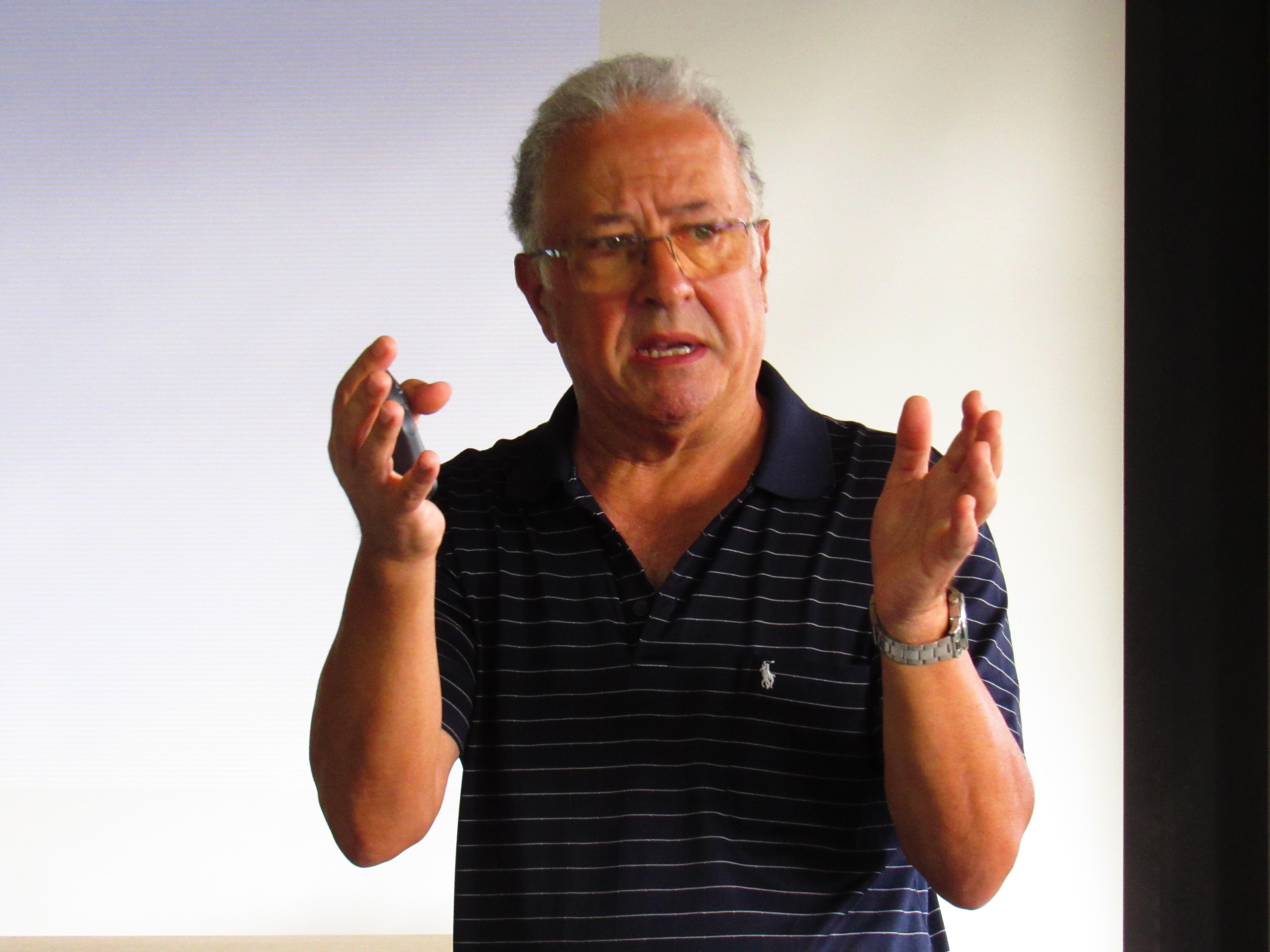
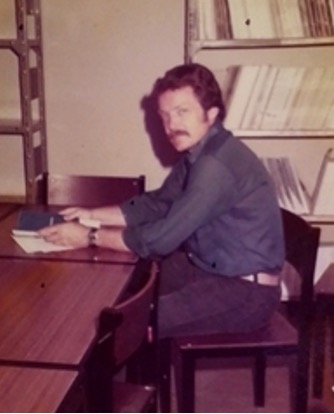
Professor Fernando Marques has contributed to shaping electrochemical materials research at the University of Aveiro for several decades. From his early engagement with solid oxide fuel cells to influential work on ionic transport phenomena in ceramic and composite electrolytes, his trajectory reflects the consolidation of solid state electrochemistry and functional materials for energy technologies. At CICECO, his research and leadership helped establish strong experimental capabilities in ionic and mixed conductors, advancing studies on fuel cells, gas separation membranes, and electrochemical energy systems, while strengthening the international collaboration and training environment that continues to define the institution.
1. Your academic trajectory spans several decades in electrochemical engineering and materials science. Which formative intellectual influences or research problems most decisively shaped your scientific identity?
After meeting Prof. GP Wirtz, from the University of Illinois, which became my PhD thesis supervisor, I easily got involved in the field of solid oxide fuel cells, a subject of interest for him, that matched my curiosity and chemical engineering background.
2. Your work on ionic transport phenomena and composite ceramic electrolytes has become a reference in the field of solid oxide fuel cells and membrane technologies. What conceptual or methodological breakthrough do you consider most transformative in your career?
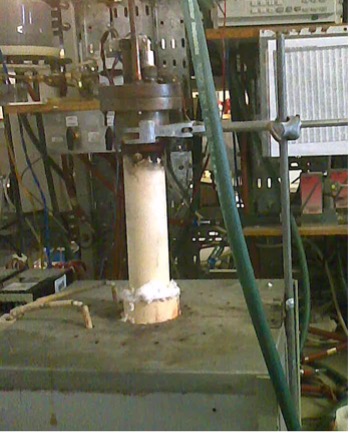
I have a demanding meaning for breakthrough. In the field of solid electrolytes, I would identify only a few worldwide in the last 50 years. Some of our results were novel and relevant for the understanding and design of ceramic and composite ionic and mixed conductors. This is my opinion on the level of our contributions. As backbone of our work and reputation, less frequent characterization skills and setups, mostly in-house developments.
3. Which scientific breakthroughs, leadership roles, or strategic choices proved most decisive in redirecting or amplifying the impact of your work?
As mentioned, we had a niche in skills able to obtain unique information on a variety of materials. This facilitated our continuous access to international cooperation and funding, also the recruitment of excellent young researchers willing to join us in Aveiro.
4. Throughout your research, you have consistently bridged fundamental electrochemistry and applied energy systems. How do you conceptualize the relationship between theoretical materials design and technological implementation?
We can already predict many aspects of materials performance and do it quickly, using computational tools. This is essential in materials development. However, many engineering materials and processing technologies are quite complex, with "hidden" variables. So, we can expect an increasing role of theoretical materials design, but we still cannot fully rely on available tools for sound technological implementation.
5. The development of advanced ceramic membranes and gas separation systems has gained increasing relevance in the context of decarbonization. What role do you envision for electrochemical materials in accelerating sustainable energy transitions?
Green hydrogen technologies are mandatory whenever we need high power and low volume devices. Batteries are needed for light portable devices. So, I see no sustainable energy solution without hydrogen fuel cells and secondary batteries as important players.
6. As Chairman of the Scientific Council of CICECO Aveiro Institute of Materials, you contributed to shaping its scientific governance. What were the principal structural or strategic challenges in consolidating this leadership role?
The fact that I cannot remember any major aspect means that we were only trying to find the right role of newborn CICECO management bodies. How to benefit from the contribution of abundant highly qualified people in decision making was, and is, a complex management issue.
7. In your view, how did the evolution of CICECO over the past decade influence the positioning of the Universidade de Aveiro within the international materials science landscape?
The position is impressive and a good example of how we can decrease wide gaps between national and international indicators. This result should also raise questions about other dimensions of the national impact of this huge progress.
8. Looking ahead, which research directions in electrochemical materials and ionic conductors do you believe will define the next generation of energy technologies?
Technology is always asked to perform better and faster at lower cost. We need better oxide, proton, lithium, or sodium ionic conductors, from available resources, for several energy conversion systems. I see no simple miraculous system; any solution involves mixed contributions. As complement, we need a never-ending list of auxiliary materials. New materials and sophisticated functionalization of available materials, from bulk to interfaces and surfaces, will be essential.
Measuring Impact
Considering your trajectory across research, institutional leadership, and scientific strategy: we would appreciate it if you could identify 3 key milestones in your career that you consider genuinely transformative and represent your scientific impact.
- In the mid 1980s I could develop a cheap but effective research infrastructure that initiated solid-state electrochemistry in Aveiro.
- In 1987, I had in Aveiro one of the very first research contracts funded by the CEC. This was the kick-off for many years of European funding and independence from national uncertainty.
- In 2004, a joint institutional application with the Universities of Aalborg and Hamburg, where I was directly involved, was awarded as first Erasmus Mundus MSc in Materials Science and Engineering, with a generous European grant.
Instead of these almost calendar marks, I could mention scientific contributions of my team that I value, like mixed conducting core-shell materials, composite oxide+salt membranes, or oxygen sensors. Interestingly, these personal options do not correspond to noticeable common impact indicators. As philosophy and advice to others, never drop subjects that you enjoy.
And now the societal impacts: could you highlight 3 concrete societal impact milestones that resulted from your research, leadership, or public-scientific engagement?
- Advanced training of many young researchers from a few dozens of countries.
- Cooperation with industrial partners, mostly international, during many years.
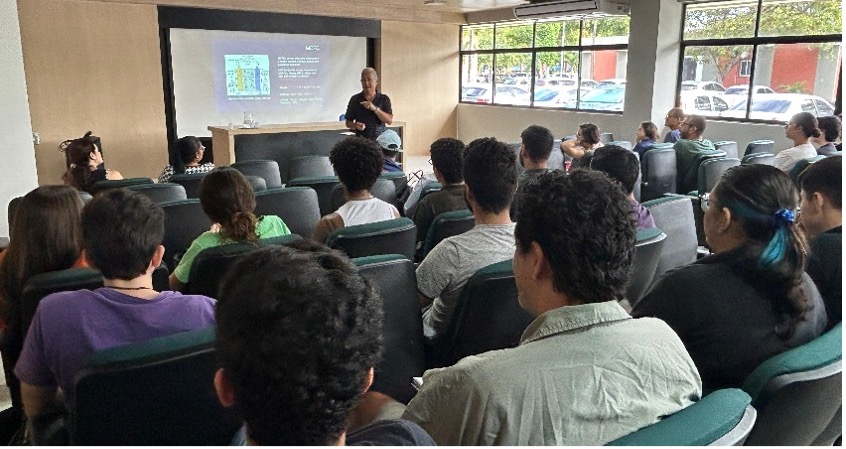
- Full-time Visiting Professor in Brazil (UFPB), after retirement from Aveiro, to share my experience with institutions less exposed to international exchange.