Professor Tito Trindade has played a defining role in establishing functional inorganic nanomaterials research at the University of Aveiro over the past three decades. From his pioneering work following his PhD at Imperial College London to the creation of nanoLAB@UA, one of Portugal"s first dedicated laboratories for colloidal nanomaterials, his trajectory reflects the emergence and consolidation of nanoscience as a strategic research field in the country. At CICECO, his research on the synthesis, surface modification and application of inorganic nanoparticles — spanning semiconductors, metal oxides and hybrid systems — has generated significant contributions to bio-applications, environmental remediation and sustainable energy technologies. Beyond the laboratory, his leadership as Director of the Doctoral Program in Nanosciences and Nanotechnology and as Director of the Department of Chemistry reinforced the institution"s commitment to advanced training and international engagement, helping to position CICECO as a recognised reference in functional nanomaterials research globally.
Most of your work focuses on functional inorganic nanoparticles. Which research questions or experiences most decisively shaped your research trajectory?
I have to say that the research landscape has been diverse, spanning fundamental scientific questions to practical applications of materials through chemical methods. Yet, a recurring theme in many of the topics addressed is to investigate chemical strategies to control colloidal materials functionality, in the process getting a better understanding of how particle size/shape and surface effects determine the properties of nanosystems.
Which scientific breakthroughs, leadership roles, or strategic decisions proved most decisive in amplifying the impact of your work during your career?
A decision I made early on, intimately driven by a natural enthusiasm for doing research in this way, was to embrace the diversity of nanomaterials and their unique properties. This was possible by promoting team work and involving valuable co-workers, namely research colleagues, post-graduates and students. This decision kept me constantly stepping outside my comfort zone in the research activities. For me, this diversity has always served as intellectual fuel. I suppose it is also a reminder of how much there is always to explore and understand in our own field of research.
You are recognized as a pioneer in functional inorganic materials. How did these research lines emerge, and what were the key conceptual or methodological breakthroughs?
Research on functional inorganic materials at the University of Aveiro, and I dare say even at the national level, is inseparable from the genesis of the research core on ceramic materials using non-conventional methodologies. In this sense, I collaborated on a pioneering project in Portugal which, among many other colleagues, benefited from the enlightened leadership of Professor Júlio Pedrosa and Professor João Lopes Baptista. My research on functional nanomaterials began a few years later, with the PhD in London and, after completing it, I implemented in Aveiro a chemical laboratory dedicated specifically to colloidal nanomaterials. In this area, I believe I made a pioneering contribution by applying methodologies typical of Inorganic Chemistry and Colloids to explore intrinsic properties at the nanoscale in functional materials, which was a non-existent field in Portugal.
How do you conceptualize the relationship between fundamental science and technological translation in your research?
Both are creation of knowledge, which I often find very difficult to separate due to their intimate association in the scientific creative process and translation from fundamental science to technology, and vice-versa. The scientific method incorporates an intellectual construction supported by observable reality, which in a given context may or may not have an immediate application in mind. The reverse is also true, thus the development of a new technology can have disruptive feedback leading to fundamental scientific discoveries. Conceptually, it is as if there is an overlap of the two perspectives; in certain contexts, one may have greater relevance, which does not mean that the other does not exist.
As founder of nanoLAB@UA, you established an extensive international collaboration network. What were the main scientific and strategic decisions that enabled this sustained global engagement?
This is an interesting question because the many collaborations, both international and national, have emerged along the process, I would say by the nature of a research problem and opportunity for knowledge exchange. Good collaborations are always important because we all learn, by respecting the diversity of approaches and aiming for a common goal, which is basically to have more knowledge than we had before. My recommendation has always been to take advantage of the available mechanisms to establish collaborative networks. This is relevant not only to solve immediate scientific problems but also because it has a long-term impact in scientific developments. As an example, I can mention the first COST action I was involved in early 2000"s, namely in terms of the management committee, which allowed me to collaborate at the time with other young scientists who, like me, were driving activities in the relatively recent field of chemical functionality specific to nanoscale.
How has the evolution of CICECO influenced materials science research in Portugal, particularly in nanomaterials and hybrid systems?
I assume no one doubts that CICECO has decisively contributed to the development of Materials Science, in its interdisciplinary richness, bringing together scientists from very diverse backgrounds with involvement in Materials Engineering, with particular emphasis on ceramic and composite materials, specialists in the field of Physics and Chemistry, with emerging bridges to Biosciences, among others. This scientific mix at CICECO, combined with the enthusiasm of its members, has provided unique conditions in Portugal for very impactful contributions to scientific research not only in Portugal but also internationally. Specifically regarding nanomaterials research, it is interesting to note that nanoLAB@UA was established slightly before CICECO was founded, but has evolved as part of it as a research laboratory, hence within a favourable scientific environment for contributing with quality research in functional nanomaterials, which has been internationally recognized as an important flag of CICECO.
In your role as Director of the Department of Chemistry (DQ), what have been your main priorities and strategies for fostering research excellence and innovation across the department?
Research in the Department of Chemistry has been mainly based on the research activity developed by its members affiliated with the different associated laboratories. As such, the priority of the team I led at the time as Director of the DQ was precisely to contribute to an institutional cooperation environment, with special care to ensure that our department was an inclusive organic unit, where despite different perspectives that might exist, everyone shared a sense of belonging. One of the areas that was clearly perceived as a priority was in advanced training and internationalisation, namely in the conditions for the competitive functioning of international level doctoral programs and masters. There was always a sense of ambition in the quality of training of young scientists, supported by the several activities that took place in our department in articulation with the research units, namely with CICECO.
For young researchers entering competitive and interdisciplinary fields such as nanophotonics and functional materials, what guiding principles would you emphasize for building an internationally relevant and coherent scientific career?
I understand "coherent scientific career" here in the sense of creating value in Science. In this context, I have long maintained the view that the best way to grow as a scientist is to master the basic concepts, from there, keep a critical open mind to knowledge and embrace new ideas, especially in environments with consolidated scientific cultures. In my opinion, this recommendation is especially valid today, as we are living the information age, with scientific knowledge produced and disseminated at a very high rate.
Measuring Impact
Considering your trajectory across research, institutional leadership, and scientific strategy: we would appreciate it if you could identify 3 key milestones in your career that you consider genuinely transformative and represent your scientific impact.
- Implementation of a pioneer laboratory for research and advanced formation, with focus on chemical approaches to colloidal functional nanomaterials (1996).
- Director of the first Portuguese doctoral program in Nanosciences and Nanotechnology from the University of Aveiro (2009–2016).
- Director of the Department of Chemistry of the University of Aveiro (2015–2019).
And now the societal impacts: could you highlight 3 concrete societal impact milestones that resulted from your research, leadership, or public-scientific engagement?
- Seminal research on quantum dot synthesis, which by that time was mainly an academically driven activity but that decisively contributed to the development of innovative quantum dot nanotechnologies, including the creation of a company and new devices.
- Advanced training and scientific outreach for non-specialist audiences, on topics related to nanotechnology, which was particularly impactful in our community at a time when knowledge on these topics was very limited.
- Development of a new class of colloidal sorbents for magnetically assisted water purification and quality monitoring technologies, including the dynamisation of a specialised team with international recognition in this field, which now conducts research autonomously.
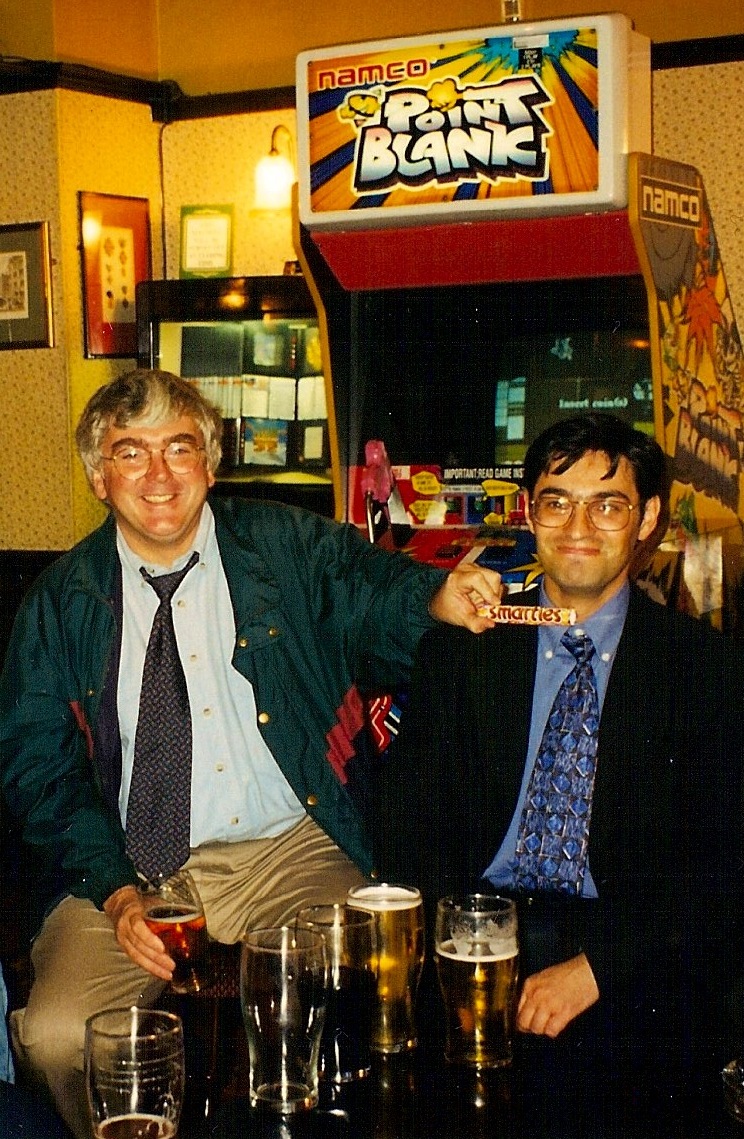
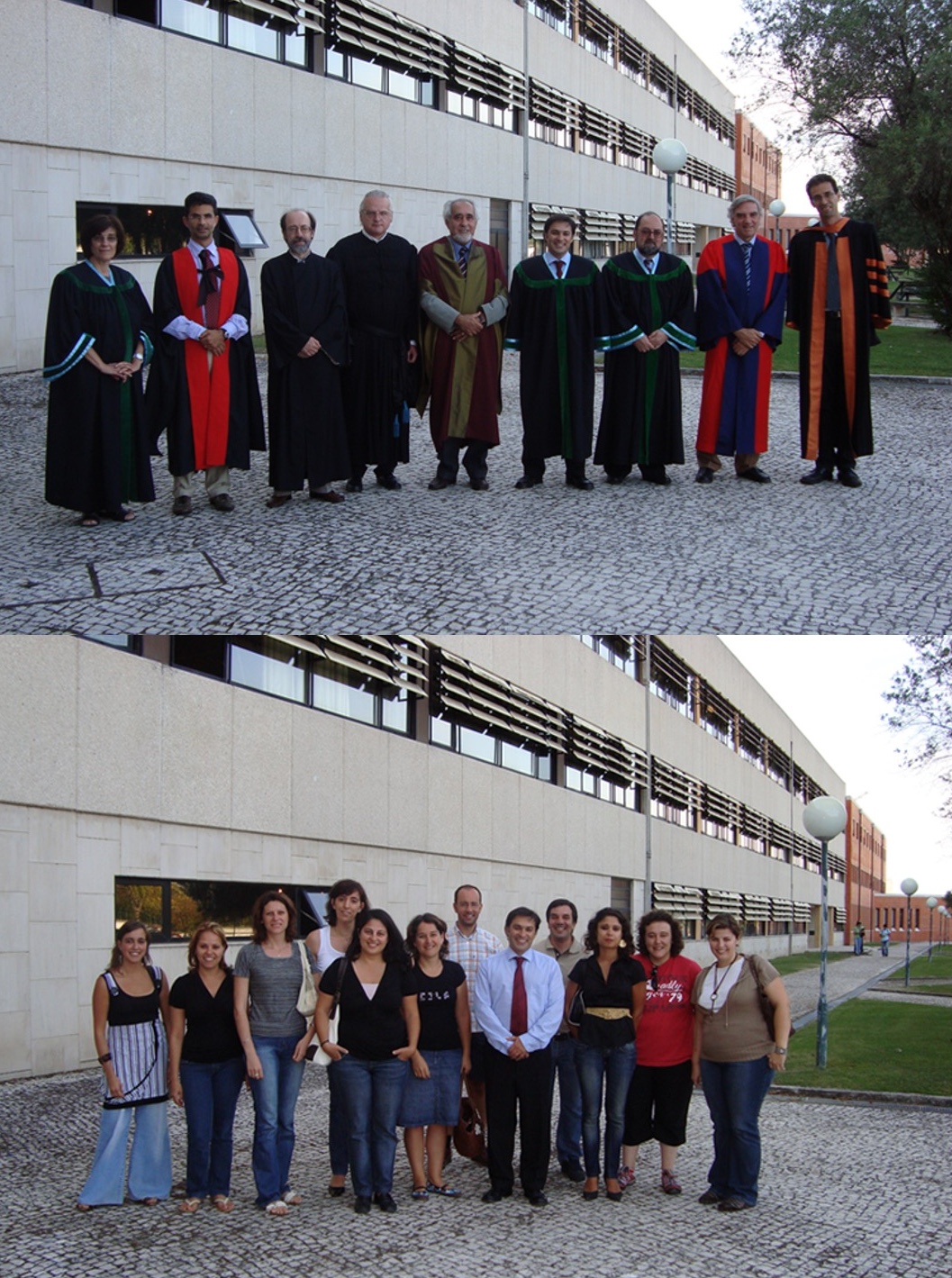
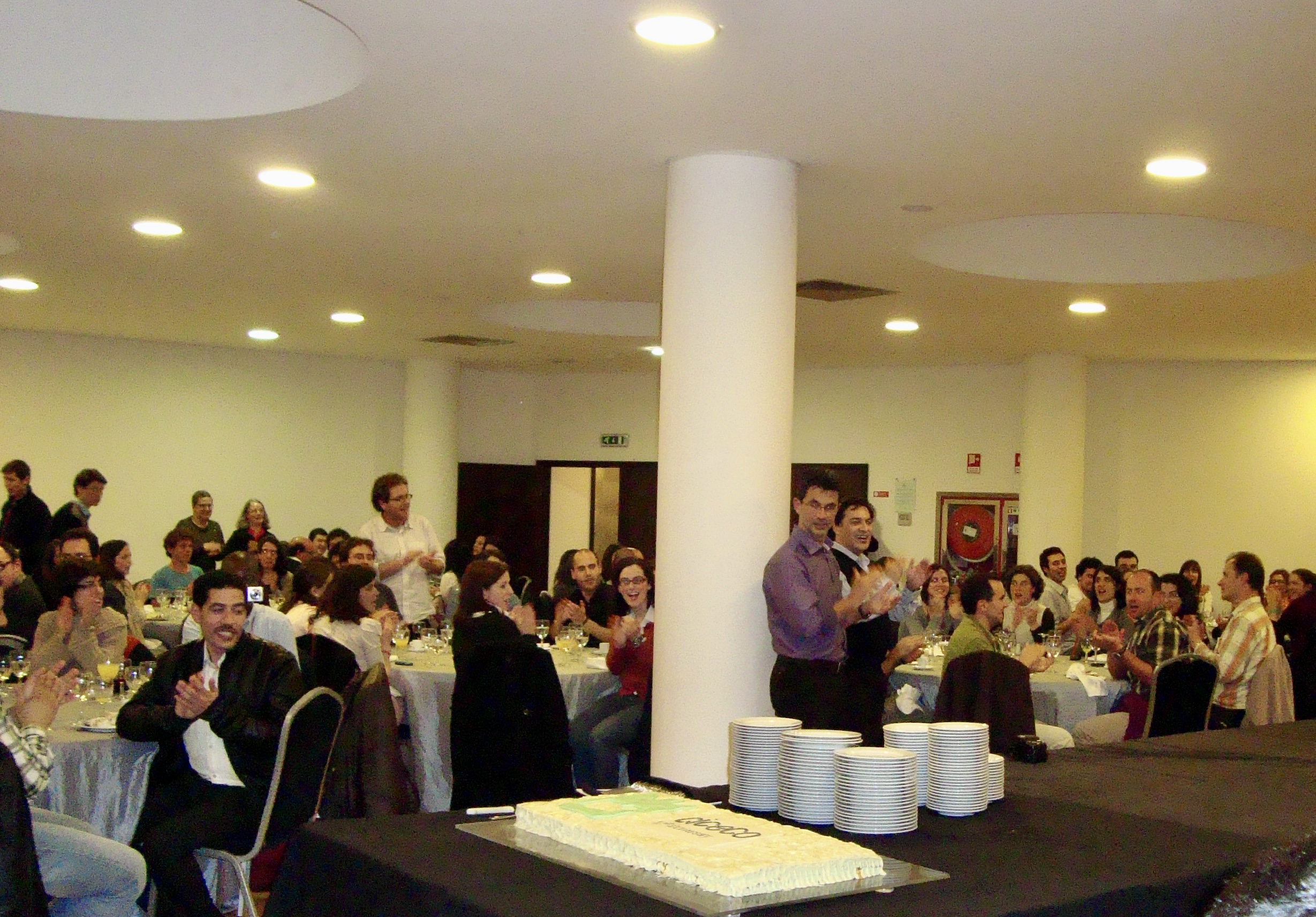
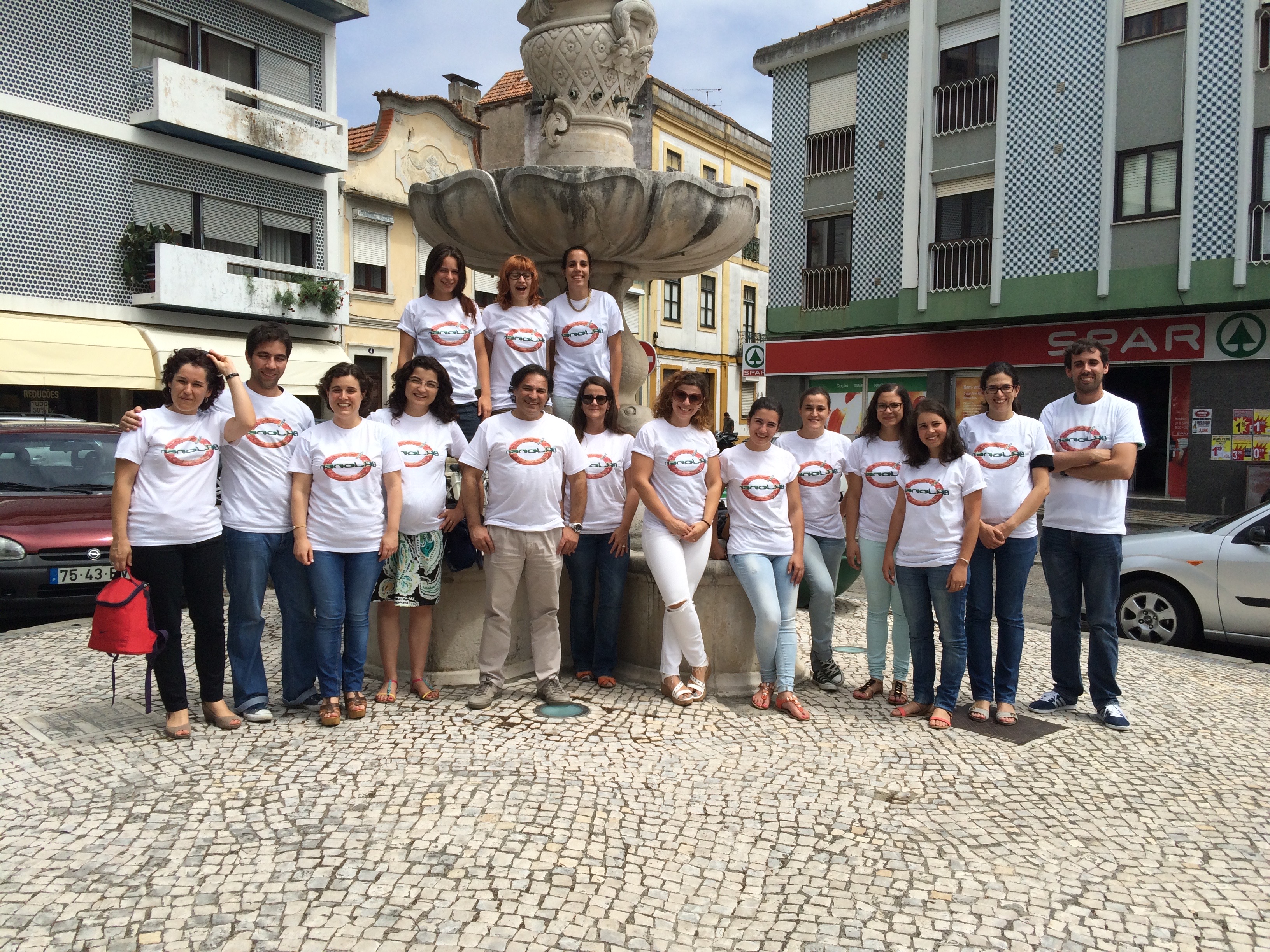
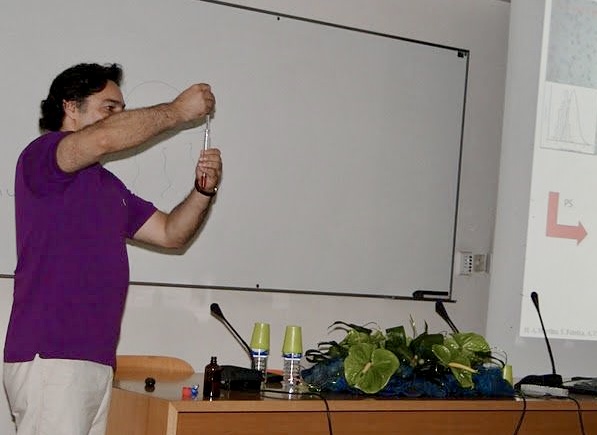
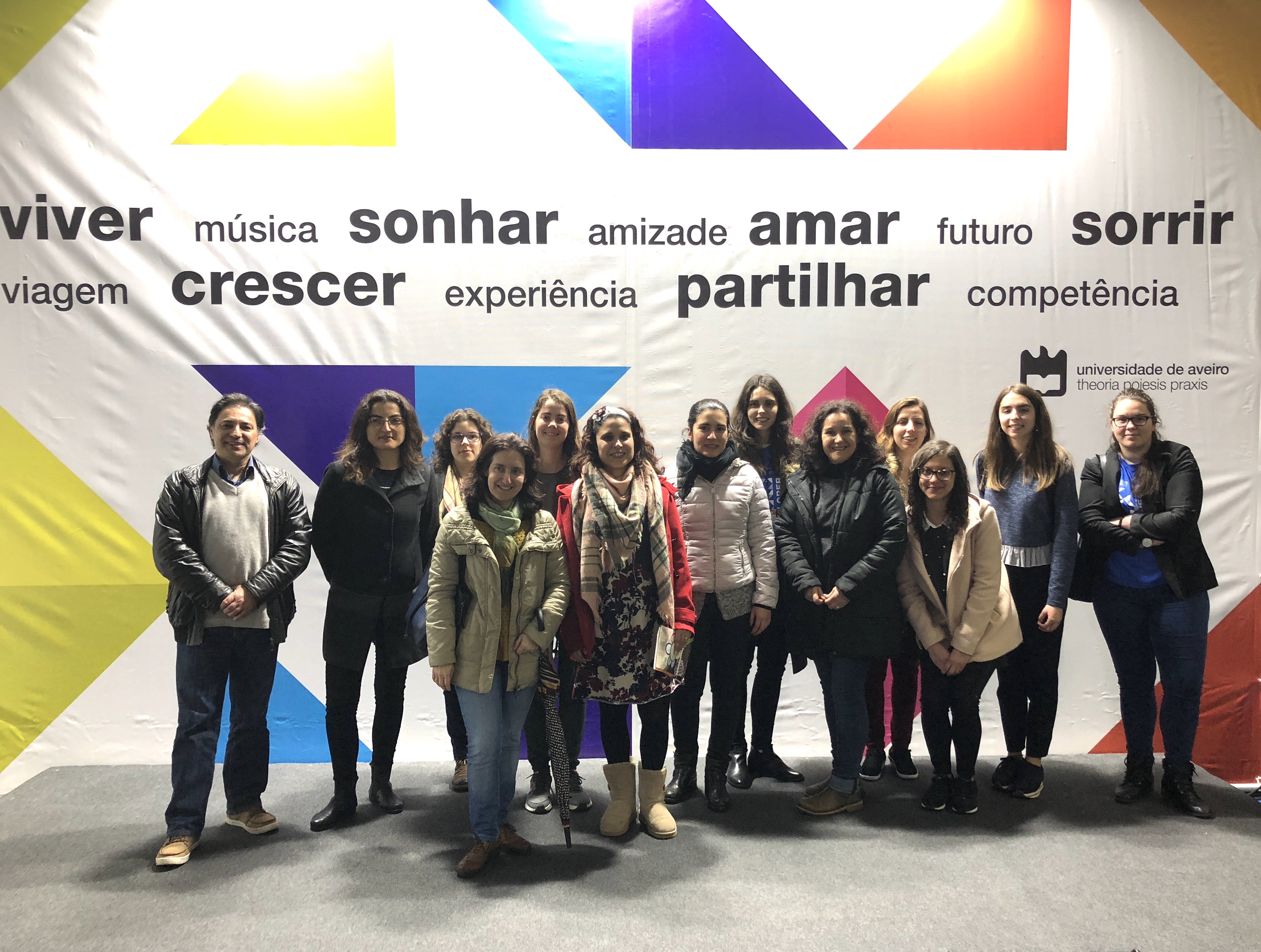
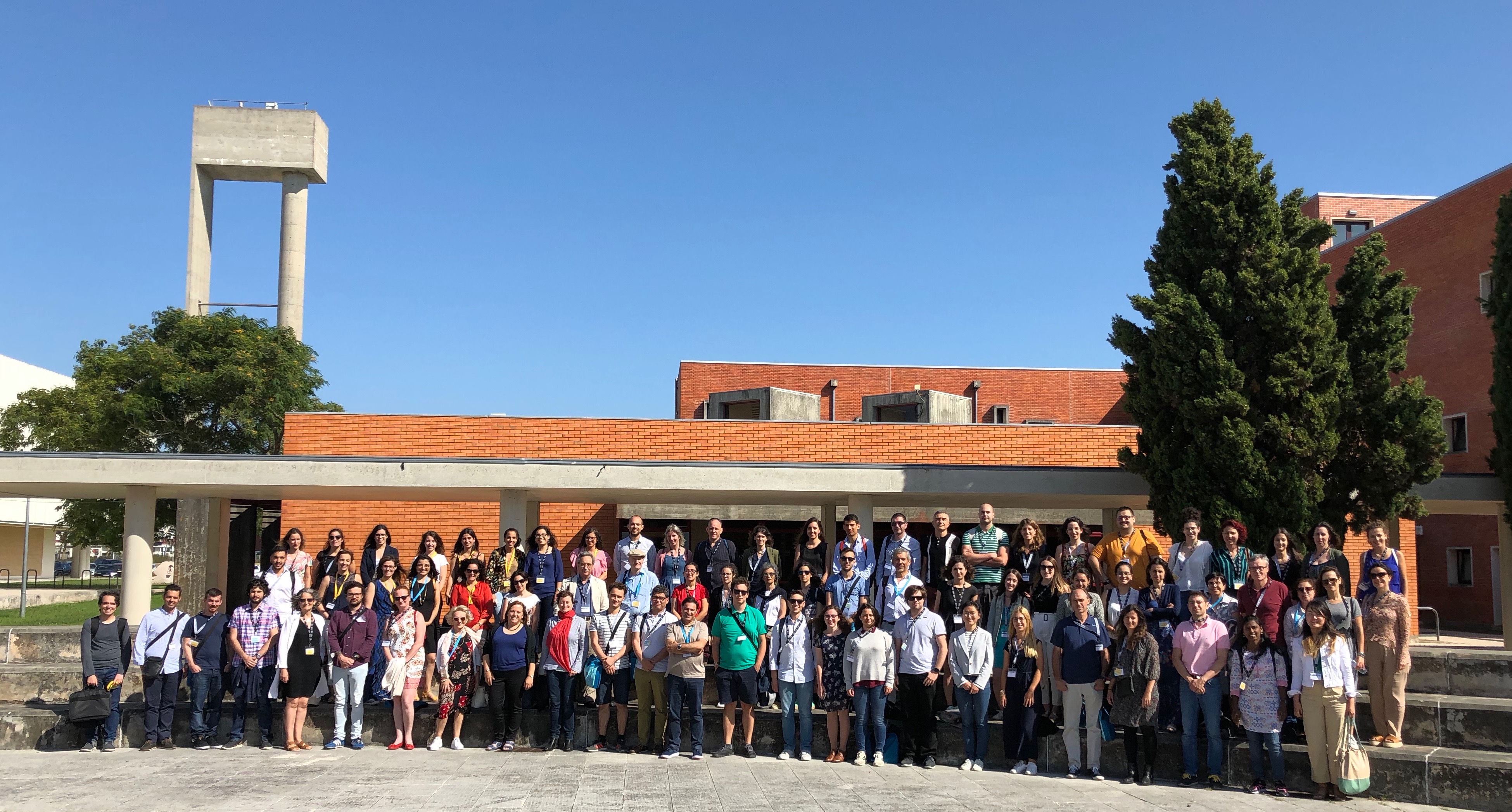
RICI, Aveiro
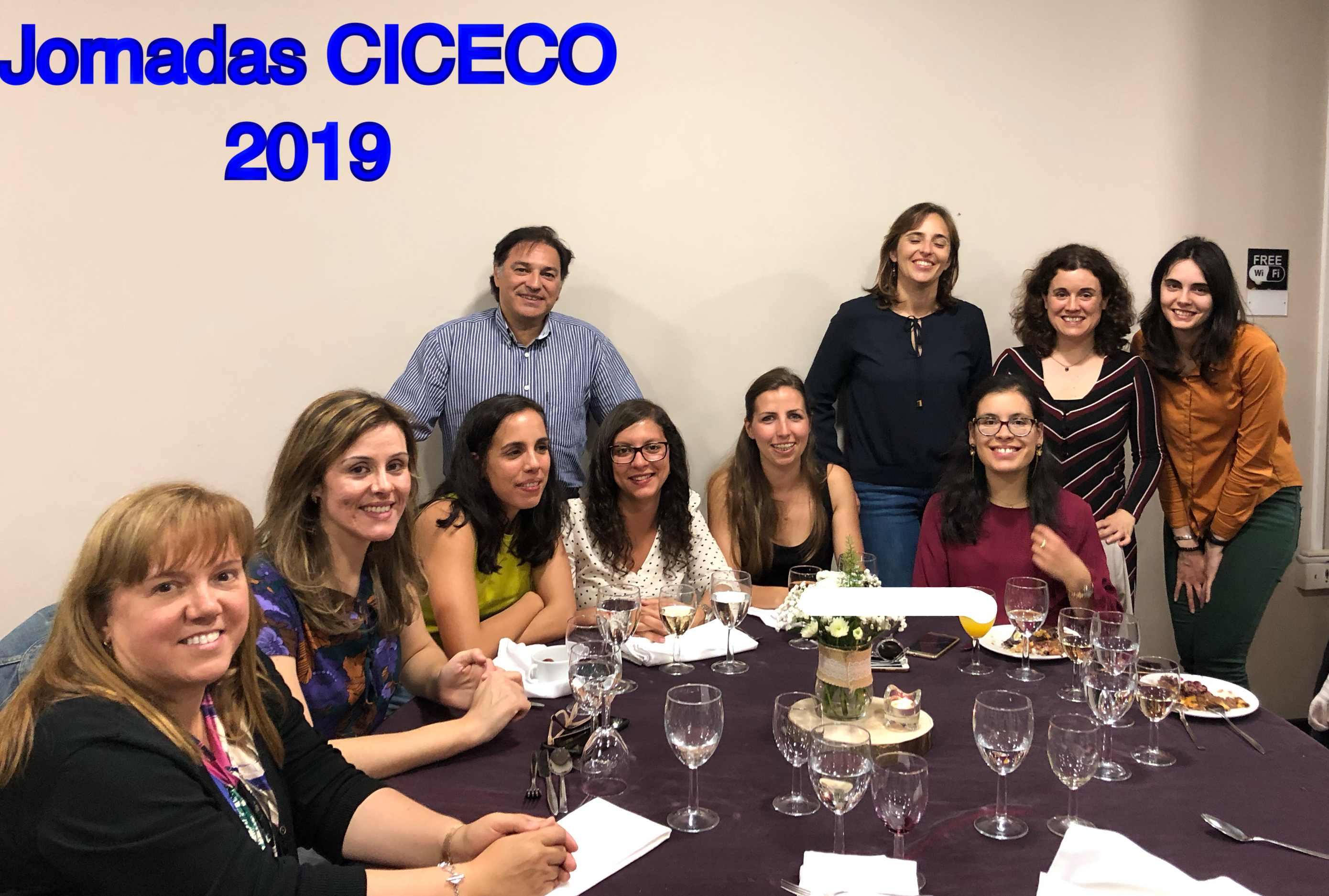
Jornadas, 2019
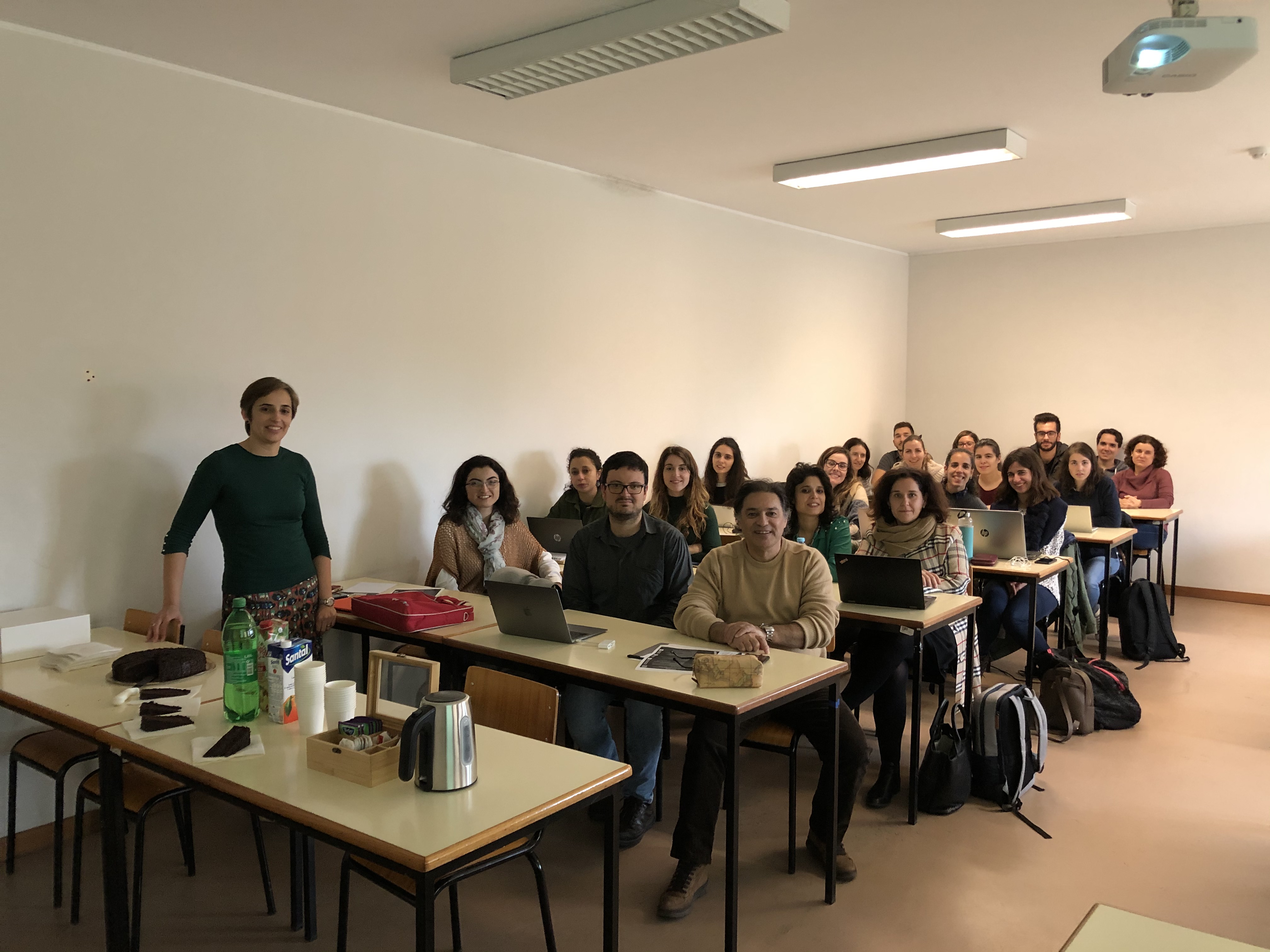
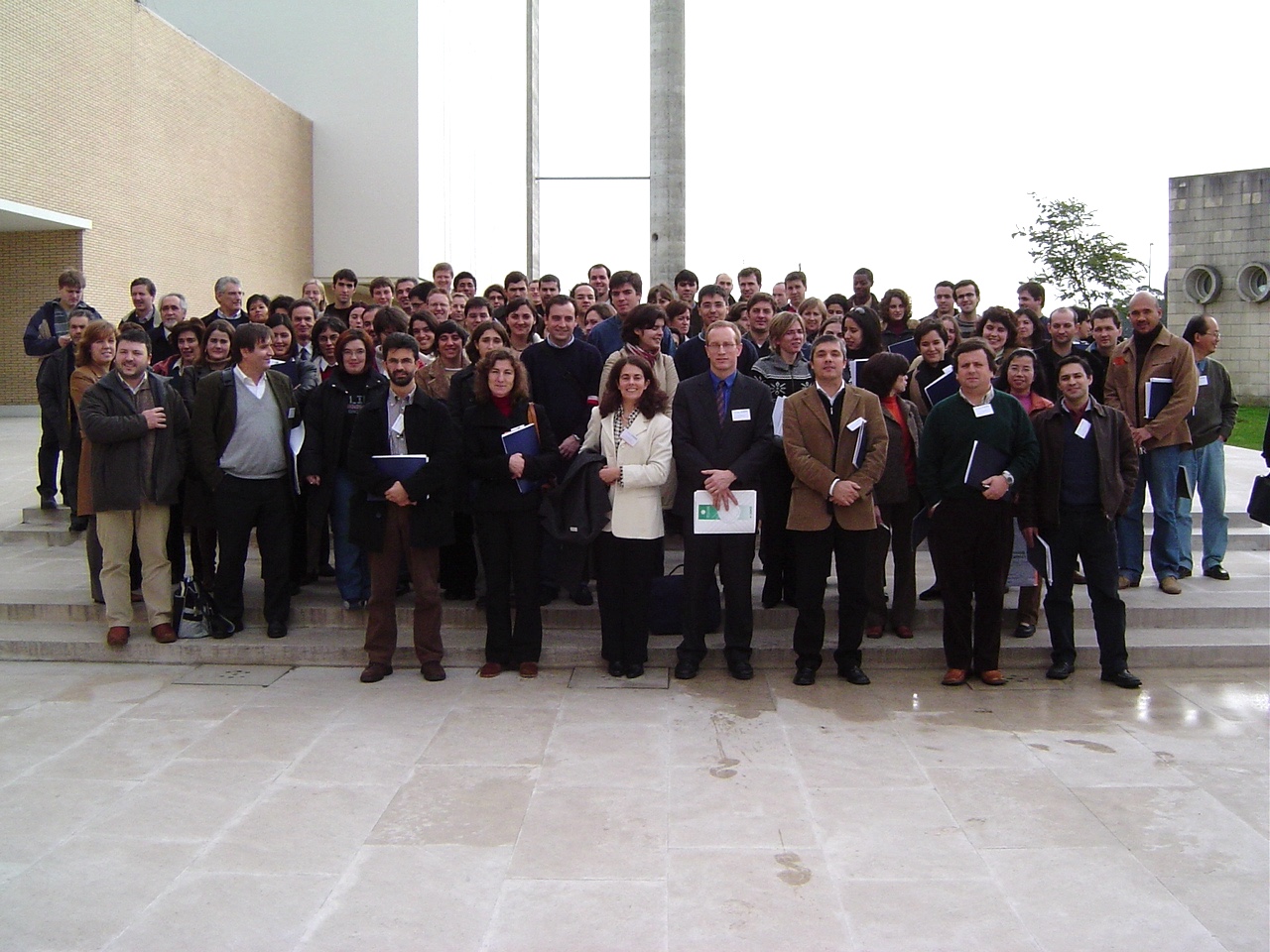
Seminar
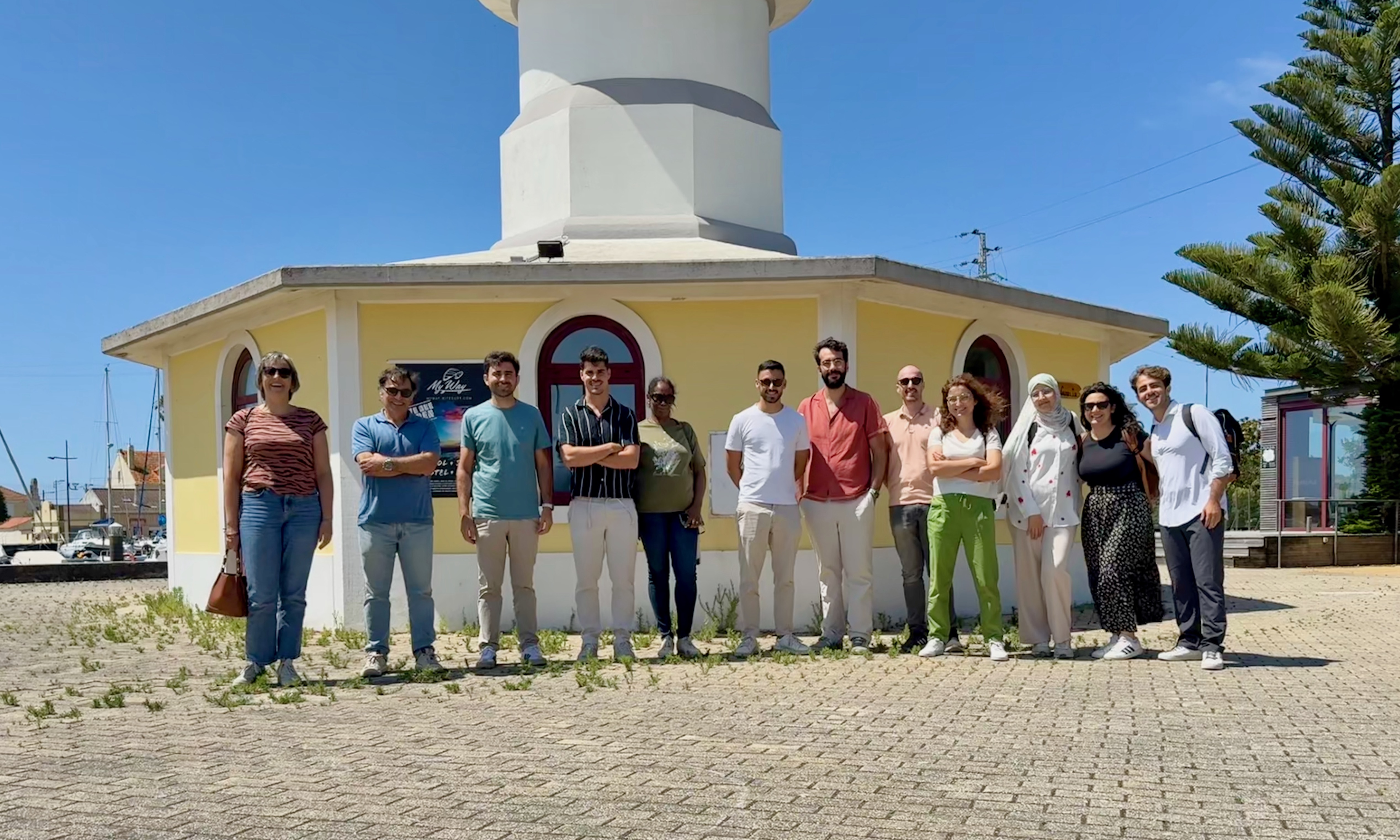
nanoLAB, 2025
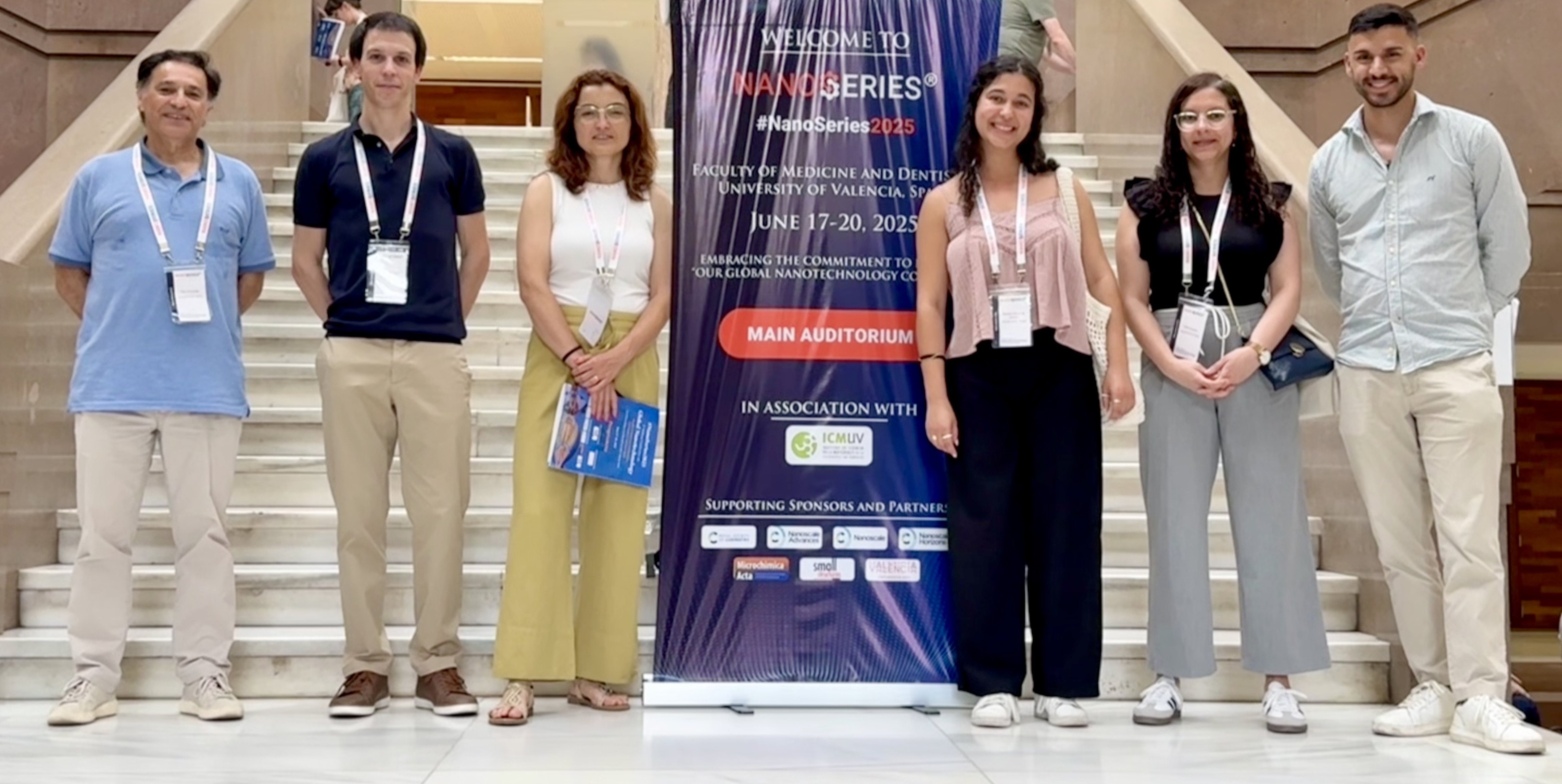
Conference, Valencia, 2025