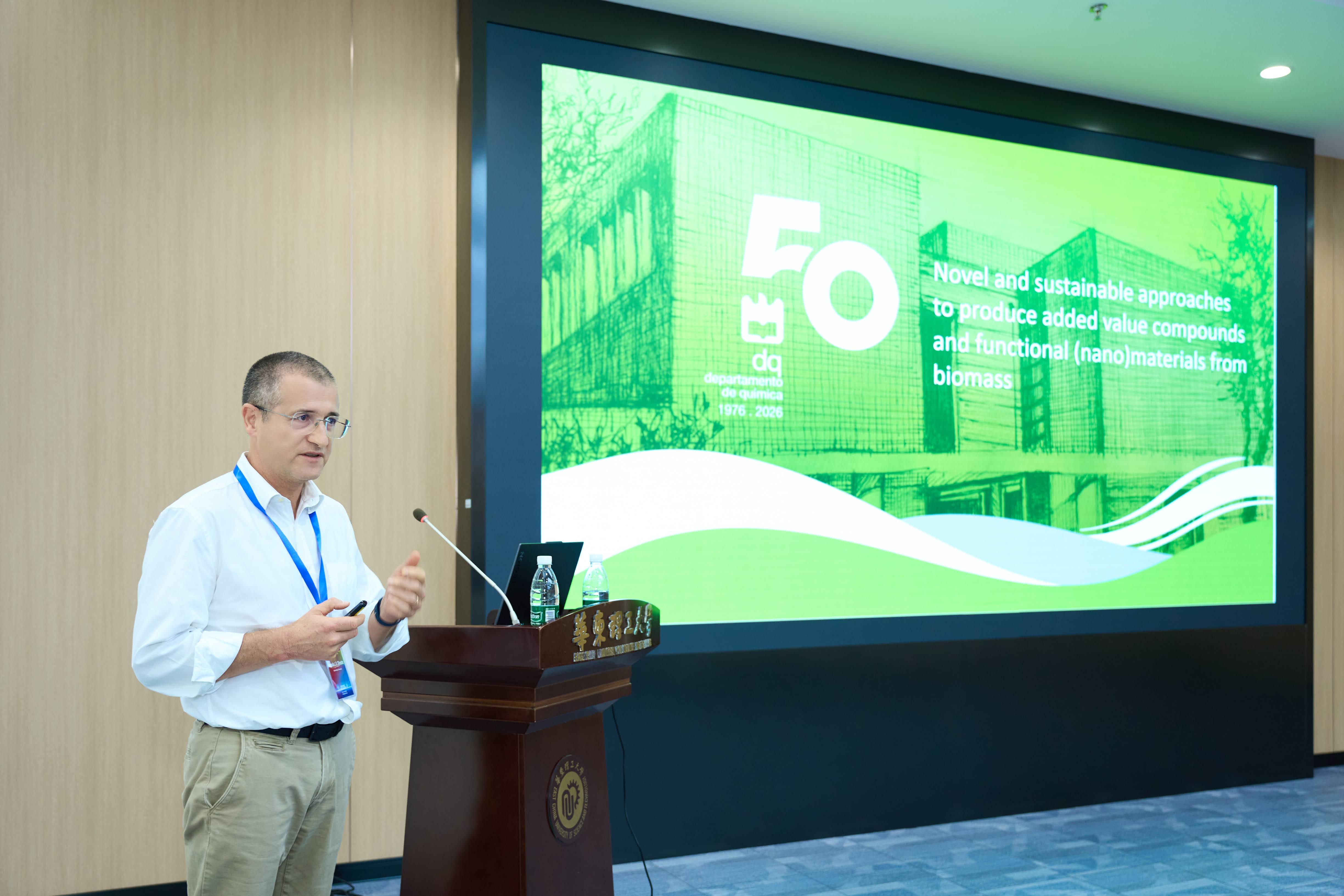
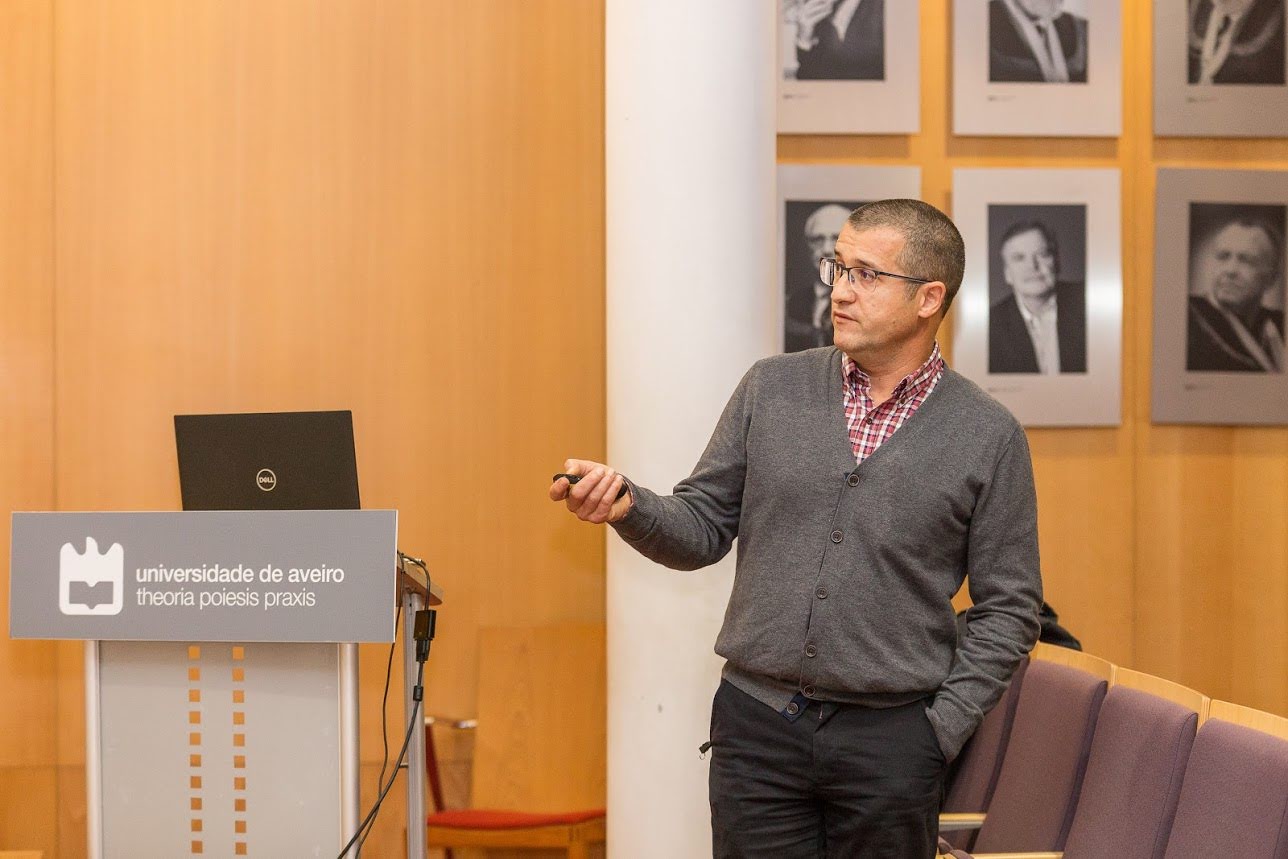
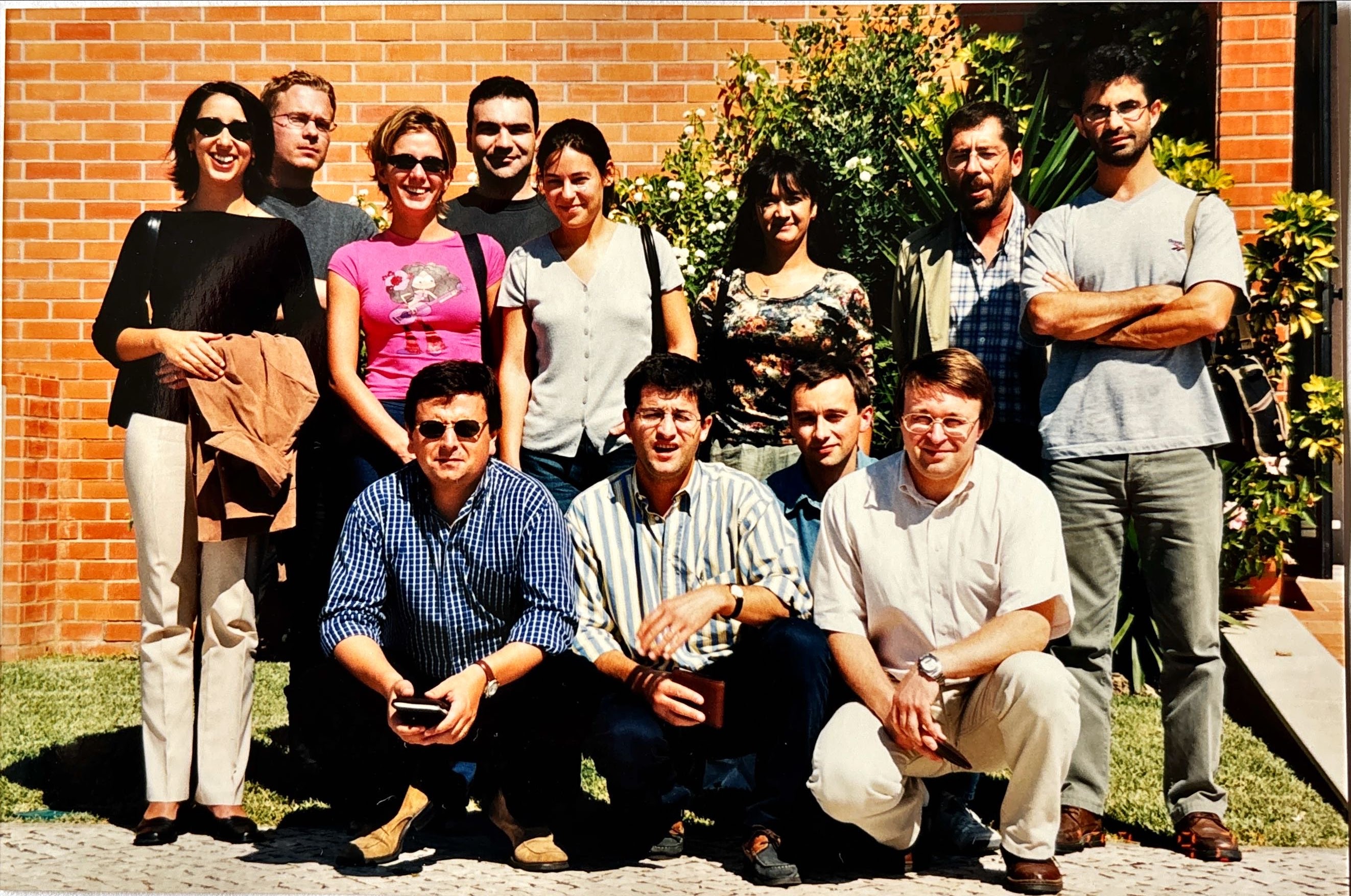
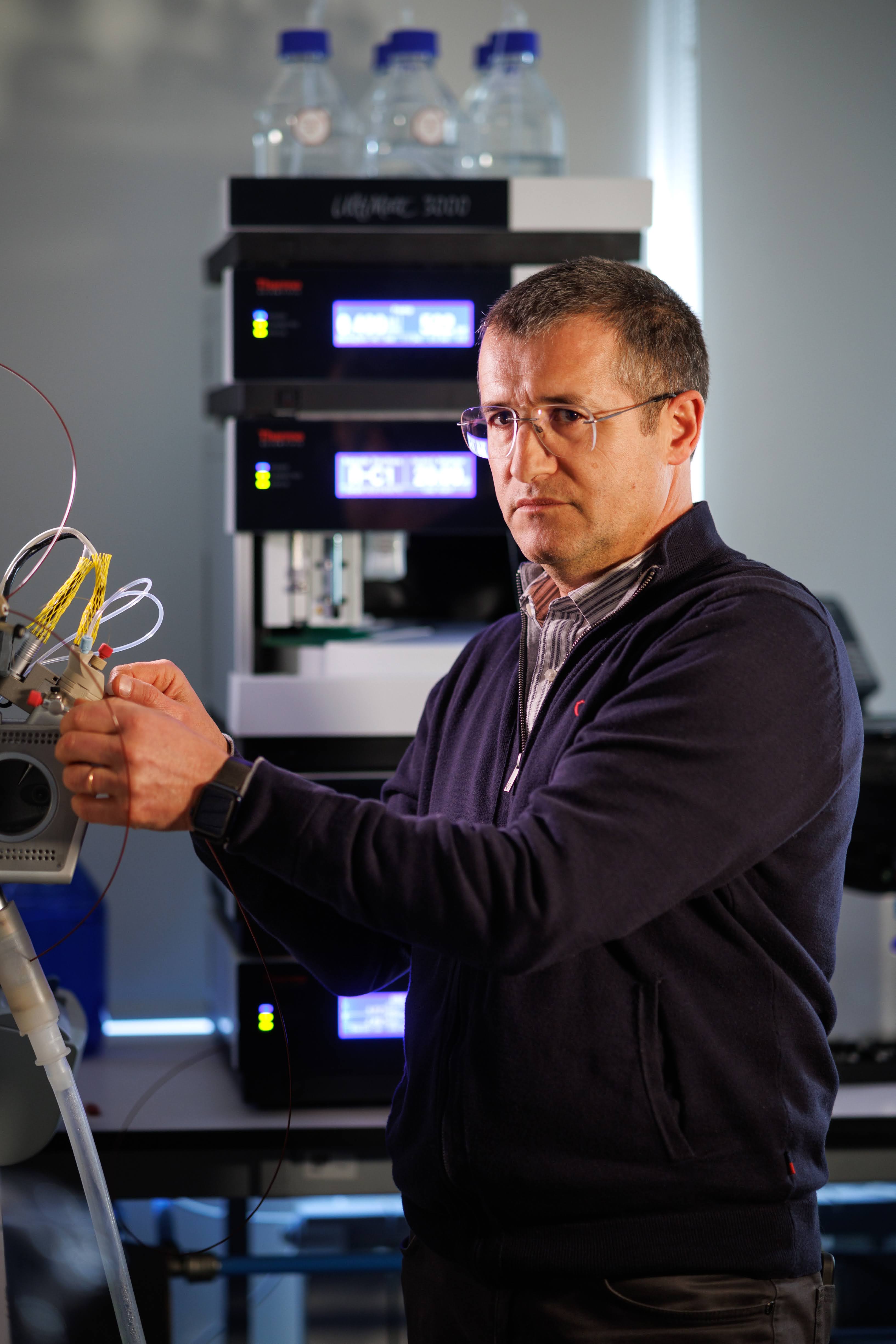
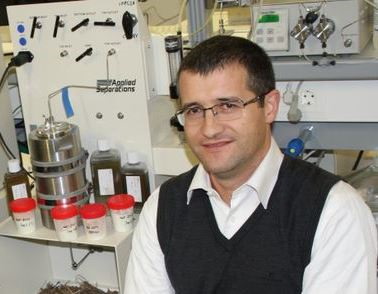
Professor Armando J. D. Silvestre is one of the leading figures in sustainable chemistry and biorefinery at the University of Aveiro, with a career defined by the integration of fundamental chemical knowledge with industrial relevance. From his early fascination with science and chemistry to his pioneering contributions in biomass valorisation, forestry by-products, cork, algae, and bio-based polymers, his trajectory reflects a consistent commitment to advancing renewable-resource-based chemistry as both a scientific and societal mission. As a long-standing researcher at CICECO and Director of the Department of Chemistry, Silvestre has played a central role in shaping research excellence, fostering internationalisation, strengthening industry partnerships, and training generations of scientists. His work spans from molecular-level innovation to patents, European leadership, and transformative contributions to sustainable materials, positioning him as a key architect in consolidating CICECO’s international reputation in biorefinery and circular economy domains.
Looking back at your academic and scientific trajectory, which motivations or conceptual frameworks most consistently guided your work in Biorefinery domains?
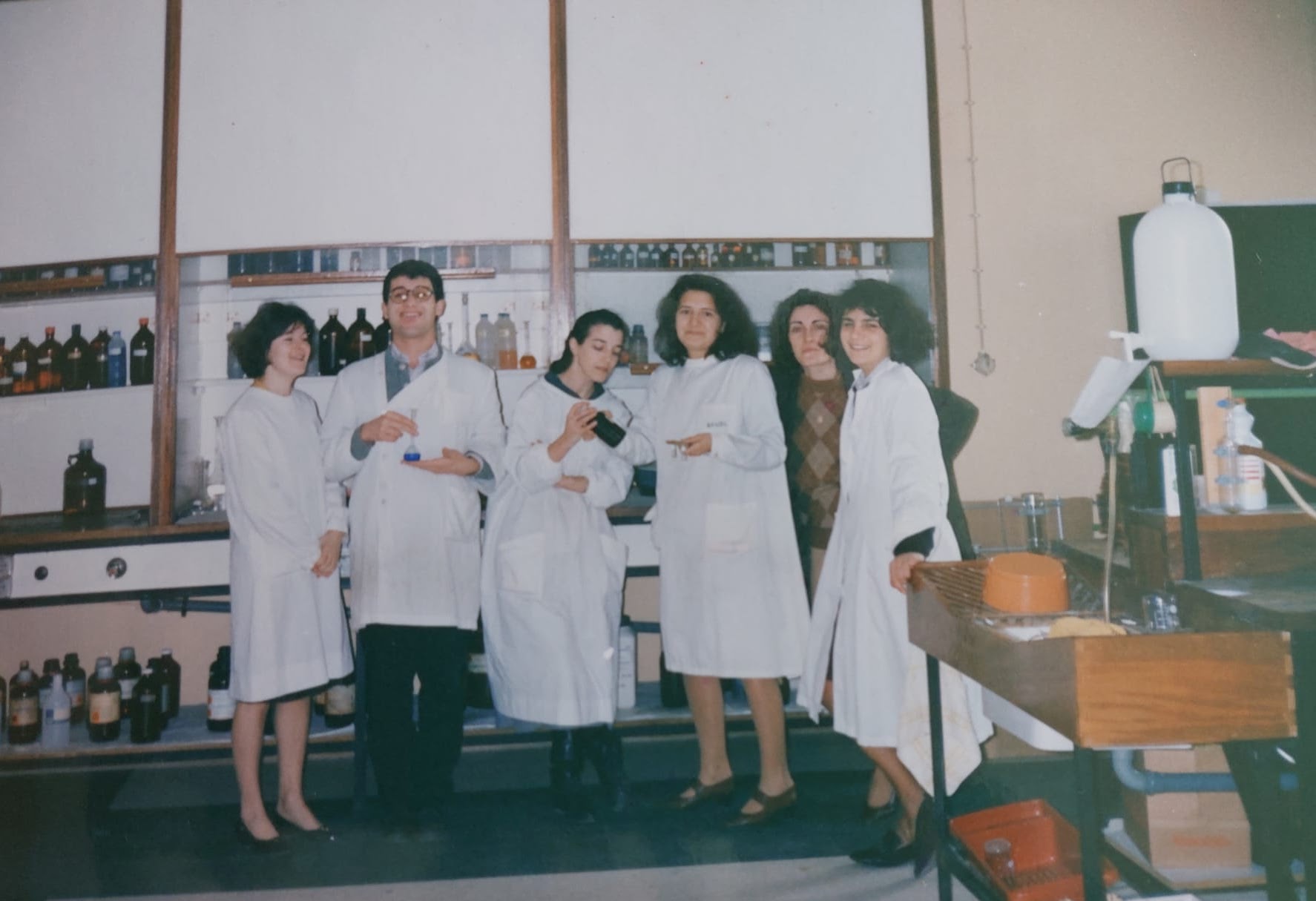
The fascination for science has been my main driver since I started reading all the science books I could get. I discovered chemistry on the 8th grade, but it has been in the early 1980’s, during a visit to the Department of Chemistry that I realized that I wanted to be a Chemist.
After getting by BSc and PhD in Chemistry, working in the biorefinery domains, contributing to the sustainable development of chemicals and materials from biomass, was an opportunity that I felt would require a strong chemistry background, and an exciting opportunity to generate new scientific knowledge which can simultaneously have socio-economic impact, and ultimately to contribute to a better environment and society well-being.
Several of your projects established bridges between fundamental chemistry and industrial applications. Were there specific decisions or collaborative initiatives that you consider decisive in expanding the scope and impact of your research within CICECO?
As I mentioned we try to develop new scientific knowledge which can simultaneously have socio-economic impact. But all started to be developed since the early 1990’s where several members of the Department have been trained to develop knowledge in the fields of wood chemistry and on pulping processes, given that the pulp and paper industry was a key industrial player in the region, but there was a huge lack of fundamental knowledge in the field, particularly in what concerns to eucalyptus wood. Interestingly the same happened latter with the cork sector, and others, like the algae sector… Developing fundamental knowledge in these fields, apart from the contribution to science, would help these sector to improve their processes and products
Thus, along the years many people had to opportunity to get solid scientific training in these areas, to develop fundamental knowledge, being recognized internationally, and then to turn it into valuable solutions for industry.
I have no doubt that the industry recognised the strong scientific competences of our teams and started many years ago to work together with us on the development of new products and solutions. Over the years this relationships become more and more strong, and I am really convinced that it will be even more fruitful in the future.
From your perspective, which structural or strategic elements were most critical in consolidating CICECO as a reference institute in sustainable materials and biorefinery-related research?
This question is not is about biorefinery… this is about science! CICECO is a special ecosystem, that looks to address all the aspects to necessary to produce impactful science: from the efforts to attract excellent scientists and students, the stimulus and recognition of productivity, the multidisciplinary and international environment, to the scientific infrastructure available to all member, and last but not least the administrative support.
CICECO success is also about persons! From the vision of the leadership… to the excellent relations you can build, and the freedom to follow your own scientific goals.
Your work has resulted in patents and strong collaborations with industry, particularly in the forestry, pulp and paper, and biomaterials sectors. How do you assess the importance of technology transfer and industrial partnerships in reinforcing CICECO’s societal and economic relevance?
In my perspective CICECO activity should always be grounded in the development of new knowledge. I think it is clear for everyone that the most impactful technologies derived from disruptive scientific results that often took long to reach real applications. Having said that, once you have an idea that you foresee can be economically exploited it is essential to try to protect and to explore it. That will contribute to the economic development, create new businesses and jobs, and hopefully contribute to a better life…
Ultimately this will increase CICECO and its members visibility, strengthening this virtuous cycle.
International collaboration has been a consistent dimension of your career, including leadership roles in European consortia and COST Actions. How did these transnational networks contribute to shaping CICECO’s research culture and international visibility?
International cooperation is a cornerstone of science development. Thus, internationalization is part of CICECO nature, it is strongly encouraged and actively pursued by most of its members. If we look at the number of international projects (including the most prestigious ones like ERC’s), collaborative publications, international researchers and students joining CICECO, there is no doubt about the success of this strategy.
This internationalization also shapes CICECO in two different ways… first, we have the opportunity to send our researchers and students to work abroad, bringing new knowledge and experiences, second we have many graduates working around the world now, and they are excellent CICECO ambassadors!
Throughout CICECO’s growth, what were the main scientific or organizational challenges found, and what forms of collective learning emerged from addressing them?
Amidst funding uncertainty, researchers career instability, shortage of space to install equipment’s and people, in my perspective, the major challenges have been mostly related on the one hand with making people understand the decisions of CICECO direction, and once taken those decisions lead the community to stick to them; and, on the other hand, the clear definitions of research productivity goals to promote excellence, and the way that people adjusted their strategies to achieve those goals.
In your role as Director of the Department of Chemistry (DQ), what have been your main priorities and strategies for fostering research excellence and innovation across the department?
Well, DQ and CICECO (along with REQUIMTE and CESAM) are deeply intertwined. So, as far as research excellence is concerned the strategies are largely shared, and in my opinion, it should be increasingly so. DQ however has an increased responsibility over the educational mission, and BSc, MSc and PhD levels. As in research the aim at this level is to promote the best excellence in teaching, to prepare highly qualified human resources. So DQ works continuously to provide highly qualified and motivated professors, state of the art teaching facilities and modern curricula.
Naturally DQ also counts with CICECO, REQUIMTE and CESAM, as excellent academic training needs to be tightly connected to research, and our students have the opportunity to integrate themselves in research during BSc, MSc and naturally PhD.
All combined these are the reasons why we have so many examples of talented and successful alumni that graduated in DQ along the years.
Considering current global challenges related to sustainability, circular economy, and bio-based materials, which scientific directions should guide CICECO in the coming years? What advice would you emphasise for younger researchers entering the field of renewable-resource-based chemistry?
Again, I do not think this is about a specific field. But I do agree that Sustainability is a critical issue that in my opinion is already embedded many of the research activities of CICECO. Tackling climate change lost traction in the last few years, for many reasons, but I do believe this is the most serious threat for the next generations. Thus, it is our duty, as scientists to work hard on finding new solutions toward a sustainable future.
However, as I mentioned above fundamental science can bring disruptive solutions that no one thought about until now.
So my advice to younger researcher is simple: follow your ideas and do your best to produce excellent science. You will certainly have to work very hard, but you will certainly have success.
Measuring Impact
Considering your trajectory across research, institutional leadership, and scientific strategy: we would appreciate it if you could identify 3 key milestones in your career that you consider genuinely transformative and represents your scientific impact.
- My PhD degree in 1994, and joining the University of Aveiro as Auxiliary Professor. This was this was the moment I achieved one of my dreams: becoming a University Professor and Scientist.
- Joining CICECO. From all that I said above this was genuinely transformative in my career.
-Leading my first UE project at UA. Although I have been involved in several EU projects, leading a Project is a totally different experience, I did it partially in WaCheUp and from the very beginning in AFORE and in Era-NOEL, and now again in Olin-WASTE.
And now the societal impacts: could you highlight 3 concrete societal impact deliverables that resulted from your research, leadership, or public-scientific engagement?
-By far I think that the most important “deliverable” are all those students we have trained. Their impact will last much longer than me. Among all of them, we obviously remember and follow more easily former PhD and MSc students and their successful careers in industry and academia (as well as in undergraduate education) in Portugal and elsewhere makes me very proud.
Additionally, those former students where essential to turn the following two deliverables into reality:
-The studies on eucalyptus bioactive compounds and on new materials from cellulose fibers: from merely academic curiosities in the early 2000’s these areas have been the base for many projects (either fundamental or in collaboration with industry), to extend the concepts to other plant sources, to the development of more sustainable technologies, to innovative materials , and to generate several patents and products.
-The studies on furanic polyesters. We started this are in the late 2000’s, and were amongst the first to unambiguously demonstrate their potential as a serious alternative to some synthetic polyesters like PET.
Usamos cookies para atividades de marketing e para lhe oferecer uma melhor experiência de navegação. Ao clicar em “Aceitar Cookies” você concorda com nossa política de cookies. Leia sobre como usamos cookies clicando em "Política de Privacidade e Cookies".
Dados pessoais
O CICECO-Instituto de Materiais de Aveiro respeita a sua privacidade, garantindo a confidencialidade dos dados pessoais que partilhe com a instituição por esta via, não recolhendo qualquer informação pessoal sobre si sem o seu consentimento, nos termos exigidos pelo Regulamento Geral de Proteção de Dados (RGPD).
Os dados recolhidos em formulários destinam-se exclusivamente ao processamento de pedidos dos utilizadores e não serão usados para qualquer outro fim, salvaguardando-se sempre a sua confidencialidade, nos termos da proteção conferida pelo referido regulamento.
A recolha e tratamento de dados é da responsabilidade do CICECO e o seu armazenamento é devidamente protegido, podendo apenas ser aceder à informação os trabalhadores do CICECO autorizados no âmbito das suas funções, estando sempre claro nos respetivos formulários de recolha os fins a que se destinam. As restantes questões a considerar nesta matéria serão tratadas pela Universidade de Aveiro de acordo com o regime estabelecido pelo RGPD.
Política de cookies
Os cookies são pequenos ficheiros com informação alfanumérica gravados no disco rígido do seu computador pelo navegador e têm como objetivo melhorar a experiência dos utilizadores e a melhoria de navegação no website.
Recolha e utilização de informação técnica
Os cookies usados são anónimos, não sendo guardada neles qualquer informação dos nossos utilizadores que possibilite a sua identificação pessoal.
As informações técnicas registadas consistem em:
- endereço de IP (Internet Protocol) do visitante;
- tipo de navegador de Internet (browser) utilizado pelo visitante do site e o respetivo sistema operativo usado
- a data e a hora da consulta;
- as páginas visitadas no site e os documentos descarregados
- A informação técnica recolhida é utilizada apenas para fins estatísticos.
Cookies utilizados
Cookies de sessão
Estes cookies são utilizados para registar as preferências do utilizador, tal como a língua em que os websites são apresentados ou para manter as sessões de utilizadores autenticadas, sendo automaticamente apagados quando o navegador é fechado.
Cookies persistentes
Estes cookies guardam informação que é necessária entre sessões. Por exemplo, é guardado um cookie persistente para registar que o utilizador tomou conhecimento da política de cookies e assim não voltar a mostrar a mensagem relativa a esta política, na próxima vez que visitar o website. Este cookie mantém-se no computador até chegar a sua data de expiração ou ser apagado pelo utilizador.
Proteção de dados
A presente política de privacidade abrange o Sistema de Informação da Universidade de Aveiro (SIUA), regendo-se pelo Regulamento Geral de Proteção de Dados (RGPD), Regulamento (UE) n.º 2016/679, de 27 de abril de 2016.
Encarregado da Proteção de Dados
A Universidade de Aveiro tem um Encarregado de Proteção de Dados (EPD) / Data Protection Officer (DPO), que garante a conformidade do tratamento de dados pessoais com a legislação em vigor, estando disponível através do endereço de correio eletrónico epd@ua.pt.