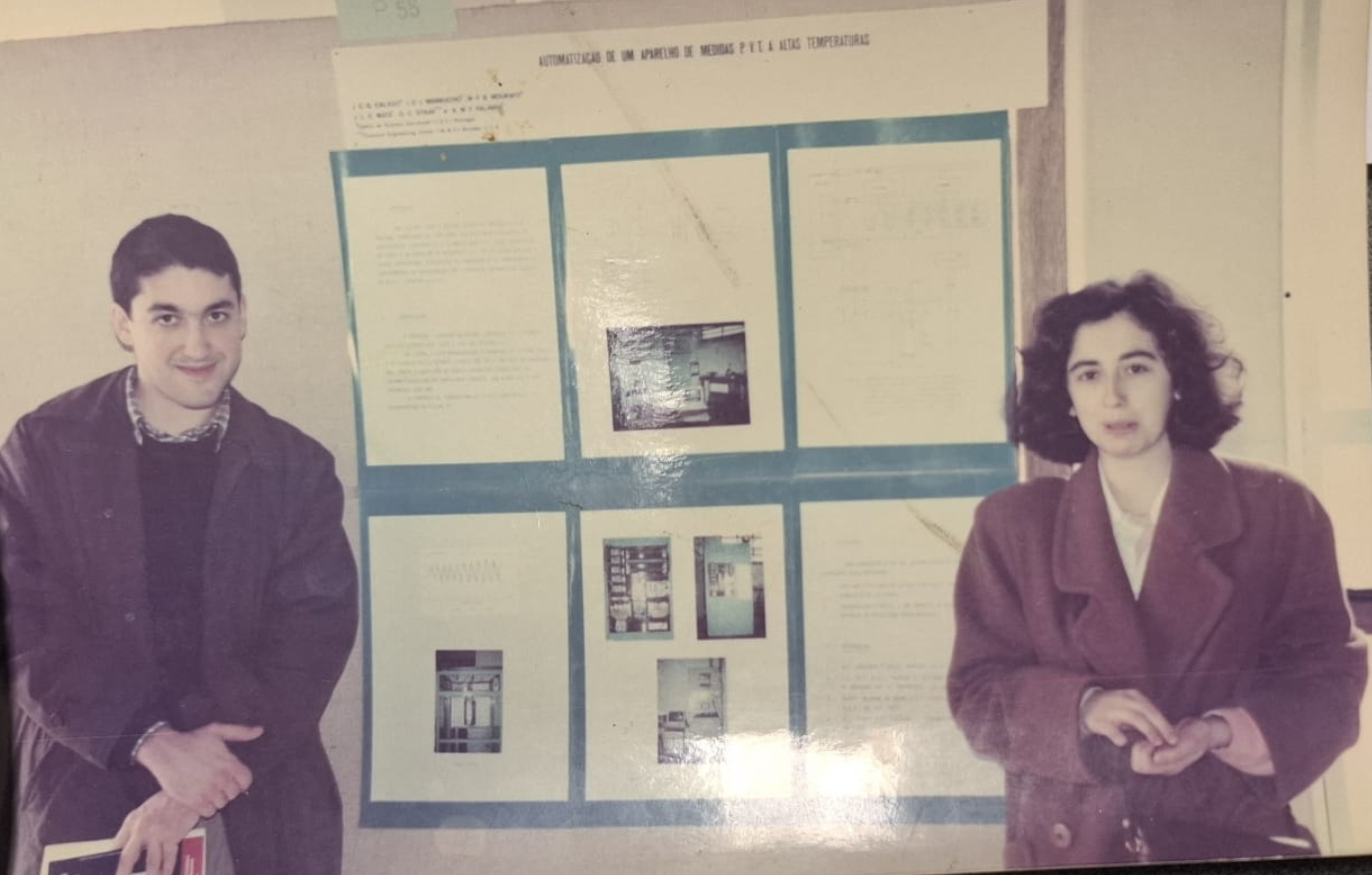
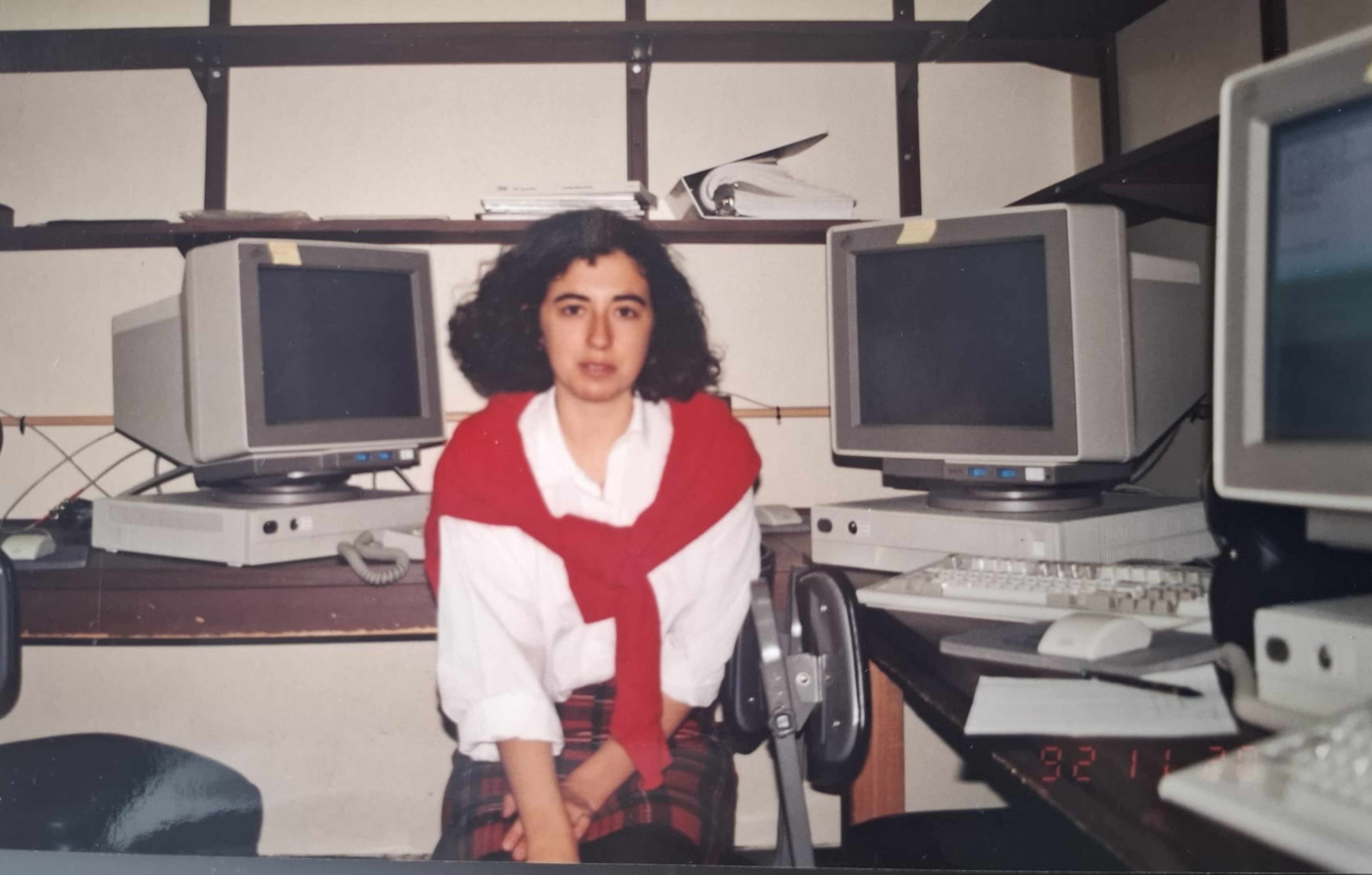
Professor Isabel Marrucho is one of the leading Portuguese figures in sustainable chemical engineering and green solvent technologies, with a career dedicated to advancing cleaner and more sustainable industrial processes through molecular innovation and separation technologies. From her early training in chemical engineering at Instituto Superior Técnico and doctoral work developed between Portugal and the United States, to her current role as Full Professor at Instituto Superior Técnico, Universidade de Lisboa, her trajectory reflects a sustained commitment to integrating fundamental chemical engineering with the major societal challenges of sustainability, circular economy, and industrial transformation. Internationally recognised for her pioneering contributions to ionic liquids, eutectic solvents, and sustainable extraction and separation processes, Marrucho has played a decisive role in developing greener alternatives to conventional solvents, reducing industrial waste, toxicity, and environmental impact across multiple sectors.
Her investigation focuses on the design, characterisation, and industrial application of advanced solvents capable of enabling more efficient and sustainable chemical processes, positioning green solvents as a cornerstone of modern chemical engineering. Her connection to CICECO’s 25-year trajectory is particularly significant due to her scientific and academic roots at the University of Aveiro, where she served as Assistant Professor in the Department of Chemistry for more than a decade and contributed to the consolidation of advanced investigation in sustainable chemistry and chemical engineering during an important growth phase of the institute. Alongside her scientific contributions, she has held numerous leadership positions in Portuguese academia and investigation governance, including at Universidade Nova de Lisboa and Universidade de Lisboa, where she has coordinated thematic lines in sustainable chemistry, directed graduate programmes, strengthened international collaboration, and contributed to institutional strategy in chemistry and engineering. As Director of the Centro de Química Estrutural and of the Associated Laboratory Institute of Molecular Sciences, Marrucho continues to shape the future of sustainable chemistry through interdisciplinary investigation, advanced scientific training, and innovation aligned with environmental responsibility and sustainable development.
Your research has been pivotal in establishing ionic liquids and deep eutectic solvents as viable green alternatives to conventional solvents. Looking back at your academic and scientific trajectory, which key moments or decisions most decisively shaped your scientific path, and how did they influence the direction of your research?
One of the most decisive moments in shaping my scientific path was my PhD in the United States, where I worked on developing thermodynamic models. Beyond the technical training, what impacted me most was the intellectual freedom to think independently, question established theories and develop my own ideas. Working on models can be challenging and sometimes frustrating, but it was essential in building resilience and confidence in my reasoning.
A second key moment was the formation of my first research group in collaboration with Professor João Coutinho, starting from an empty half-laboratory, without seed funding, in 1997. This experience allowed me to take the first steps in an independent research path, building a collaborative and vibrant environment around common research topics.
The domain of ionic liquids and deep eutectic solvents has matured considerably over the past decades. From your perspective, what were the most important conceptual or methodological shifts that transformed this area into a structured and critical field of study?
The field of ionic liquids and deep eutectic solvents has undergone a significant transformation, evolving from an exploratory area into a more structured and critically assessed domain. One of the most important conceptual shifts was moving away from viewing these systems simply as “green solvents” toward a more complex systems, understanding of their properties and limitations. Early enthusiasm often relied on general claims of low volatility and tunability, but over time the field began to emphasize rigorous evaluation, including toxicity, biodegradability, and life-cycle analysis. Methodologically, there was also a major shift toward establishing clear structure–property relationships, supported by thermodynamic modelling and advanced characterization techniques, which allowed for more predictive design rather than trial-and-error approaches. In the case of deep eutectic solvents, an important development was recognizing the link between hydrogen-bond networks and non-ideal interactions, rather than treating them as simple mixtures. Additionally, the field matured through increased standardization—common definitions, reproducible preparation methods, and reliable data reporting—along with stronger integration between theory and application. Altogether, these shifts transformed the area into a more quantitative, critical, and application-driven field, capable of delivering realistic and scalable solutions rather than purely conceptual innovations.
During your period of engagement with CICECO, how did the interdisciplinary environment shape or strengthen your research agenda? Conversely, in what ways do you believe your scientific leadership and research activity contributed to consolidating or expanding strategic areas within CICECO?
During my stay at CICECO, the interdisciplinary environment, bringing together chemistry, materials science, and engineering, encouraged me to connect fundamental understanding with practical applications, particularly in the design of ionic liquids. It broadened my perspective toward more integrated and application-driven approaches.
At a personal level, this experience was especially meaningful, as I felt strongly supported as a young researcher. The openness to new ideas and less explored research directions allowed me to develop my work with confidence and independence. This support was instrumental in shaping my scientific path and enabled me to contribute to emerging areas, particularly in sustainable chemistry and complex fluid systems.
You have held significant institutional leadership positions and directed advanced academic programmes. How has this administrative experience influenced your perspective on structuring research agendas?
My experience in institutional leadership and directing advanced academic programmes shaped a more strategic and integrated vision to structuring research agendas. I have learned to align scientific capabilities with institutional priorities and available resources, societal needs and funding opportunities, while fostering collaboration and interdisciplinary projects. It has also made me realize the importance of efficient resource management and clear goal setting, while maintaining high standards of research quality. Additionally, working closely with researchers at different career stages has reinforced my commitment to mentorship and scientific autonomy.
Several of your projects align with European and national priorities regarding decarbonisation, circular economy, and environmental remediation. How do you assess the role of solvent engineering in addressing climate and resource challenges over the next decade?
Solvent engineering will play an important role in tackling climate and resource challenges, especially with the EU aiming for climate neutrality by 2050 under the European Green Deal. Since solvents are widely used in industry, improving them can reduce energy use, emissions, and make processes cleaner. At the same time, stricter rules under the REACH Regulation are pushing away hazardous solvents, driving the search for safer and more sustainable alternatives.
In practice, companies are optimizing current processes and gradually adopting new systems, where ionic liquids, deep eutectic solvents, bio-based solvents etc are useful. Academia supports this by developing better understanding and design tools. Overall, solvent engineering is not a silver bullet, but it is a powerful tool to make processes more efficient and sustainable.
Internationalization and international collaboration have been a must in your career. How have these transnational networks shaped the evolution of your research and the positioning of Portuguese science internationally?
My research is rarely conducted alone. I strongly value teamwork and interdisciplinary collaboration. Establishing international networks has been essential for exchanging ideas, learning different methodologies, sharing perspectives, and fostering the mobility of human resources.
These collaborations also enhance funding opportunities by opening research to broader audiences, introducing new angles, and expanding its potential applications. At the same time, they provide an important platform to showcase the high-quality science currently being carried out in Portugal, strengthening its international visibility and reputation.
Considering current global challenges, what role do you see for solvent engineering and Green Chemistry in the coming decade?
Solvent engineering will play a central role in addressing global challenges over the next decade, particularly in response to increasing industrial demands and stricter EU regulations. It has the potential to become a key interface between academia and industry enabling the translation of the Green Chemistry principles into economically viable industrial solutions. Since solvents account for a large share of waste and environmental impact in chemical processes, redesigning, reducing or even eliminating them offers one of the most effective pathways to more sustainable practices.
Finally, what advice would you offer to young researchers entering Sustainable Chemistry today, especially those aiming to build internationally relevant careers while maintaining societal impact?
My advice to young researchers in Sustainable Chemistry, or any field, is above all to build a solid scientific foundation while staying open to stepping out of your comfort zone and tackling challenging questions. Value collaborative work and interdisciplinarity, especially in Sustainable Chemistry. Seek international experience early, as it broadens your perspective, helps build strong networks and consolidates new ideas. Be proactive, communicate your work clearly, and value teamwork. Above all, remain curious, resilient, and committed to responsible research.
Measuring Impact
Considering your trajectory across research, institutional leadership, and scientific strategy: we would appreciate it if you could identify 3 key milestones in your career that you consider genuinely transformative and represents your scientific impact.
- Co-founder of the first PhD Programme in Sustainable Chemistry in Portugal (2012), together with Professor Nunes da Pontes and Professor Eurico Cabrita.
- Development of the concept of hydrophobic eutectic solvents, following over a decade of research on hydrophilic deep eutectic solvents.
- Mentorship of PhD students and postdoctoral researchers who are now in well-established positions in academia and industry, in Portugal and abroad.
And now the societal impacts: could you highlight 3 concrete societal impact milestones that resulted from your research, leadership, or public-scientific engagement?
- Advanced training of international students in Sustainable Chemistry, Ionic Liquids, and Eutectic Solvents.
- Contribution to the creation of undergraduate, graduate, and PhD programmes, as well as internships and training initiatives.
- As Coordinator of CQE, promoting impactful research, collaboration, and societal relevance in Chemistry.
Usamos cookies para atividades de marketing e para lhe oferecer uma melhor experiência de navegação. Ao clicar em “Aceitar Cookies” você concorda com nossa política de cookies. Leia sobre como usamos cookies clicando em "Política de Privacidade e Cookies".
Dados pessoais
O CICECO-Instituto de Materiais de Aveiro respeita a sua privacidade, garantindo a confidencialidade dos dados pessoais que partilhe com a instituição por esta via, não recolhendo qualquer informação pessoal sobre si sem o seu consentimento, nos termos exigidos pelo Regulamento Geral de Proteção de Dados (RGPD).
Os dados recolhidos em formulários destinam-se exclusivamente ao processamento de pedidos dos utilizadores e não serão usados para qualquer outro fim, salvaguardando-se sempre a sua confidencialidade, nos termos da proteção conferida pelo referido regulamento.
A recolha e tratamento de dados é da responsabilidade do CICECO e o seu armazenamento é devidamente protegido, podendo apenas ser aceder à informação os trabalhadores do CICECO autorizados no âmbito das suas funções, estando sempre claro nos respetivos formulários de recolha os fins a que se destinam. As restantes questões a considerar nesta matéria serão tratadas pela Universidade de Aveiro de acordo com o regime estabelecido pelo RGPD.
Política de cookies
Os cookies são pequenos ficheiros com informação alfanumérica gravados no disco rígido do seu computador pelo navegador e têm como objetivo melhorar a experiência dos utilizadores e a melhoria de navegação no website.
Recolha e utilização de informação técnica
Os cookies usados são anónimos, não sendo guardada neles qualquer informação dos nossos utilizadores que possibilite a sua identificação pessoal.
As informações técnicas registadas consistem em:
- endereço de IP (Internet Protocol) do visitante;
- tipo de navegador de Internet (browser) utilizado pelo visitante do site e o respetivo sistema operativo usado
- a data e a hora da consulta;
- as páginas visitadas no site e os documentos descarregados
- A informação técnica recolhida é utilizada apenas para fins estatísticos.
Cookies utilizados
Cookies de sessão
Estes cookies são utilizados para registar as preferências do utilizador, tal como a língua em que os websites são apresentados ou para manter as sessões de utilizadores autenticadas, sendo automaticamente apagados quando o navegador é fechado.
Cookies persistentes
Estes cookies guardam informação que é necessária entre sessões. Por exemplo, é guardado um cookie persistente para registar que o utilizador tomou conhecimento da política de cookies e assim não voltar a mostrar a mensagem relativa a esta política, na próxima vez que visitar o website. Este cookie mantém-se no computador até chegar a sua data de expiração ou ser apagado pelo utilizador.
Proteção de dados
A presente política de privacidade abrange o Sistema de Informação da Universidade de Aveiro (SIUA), regendo-se pelo Regulamento Geral de Proteção de Dados (RGPD), Regulamento (UE) n.º 2016/679, de 27 de abril de 2016.
Encarregado da Proteção de Dados
A Universidade de Aveiro tem um Encarregado de Proteção de Dados (EPD) / Data Protection Officer (DPO), que garante a conformidade do tratamento de dados pessoais com a legislação em vigor, estando disponível através do endereço de correio eletrónico epd@ua.pt.